Every discarded plastic bottle still has value—but only if it is sorted correctly.
For modern recycling facilities, producing high-quality recycled plastic is no longer simply a matter of shredding, washing, and pelletizing waste bottles. The real value of recycled materials is determined much earlier in the process. Accurate sorting removes contaminants, separates different polymers, and creates clean material streams that can be transformed into premium recycled products.
This is where a plastic bottle recycling machine becomes essential.
Modern plastic bottle recycling machines combine high-speed automation, optical sensors, artificial intelligence, and precision air separation to identify and sort plastic bottles with remarkable accuracy. Instead of relying on manual labor, today’s systems can process several tons of material per hour while consistently producing recycled plastics suitable for bottle-to-bottle manufacturing and other high-value applications.
However, choosing the right equipment is not always straightforward. Manufacturers offer a wide range of technologies, sensor combinations, throughput capacities, and software capabilities, making it difficult for recycling companies to determine which solution best fits their production goals.
This guide explains what a plastic bottle recycling machine is, how it works, why intelligent bottle sorting has become the foundation of modern plastic recycling, and what buyers should evaluate before investing in a new system.
What Is a Plastic Bottle Recycling Machine?
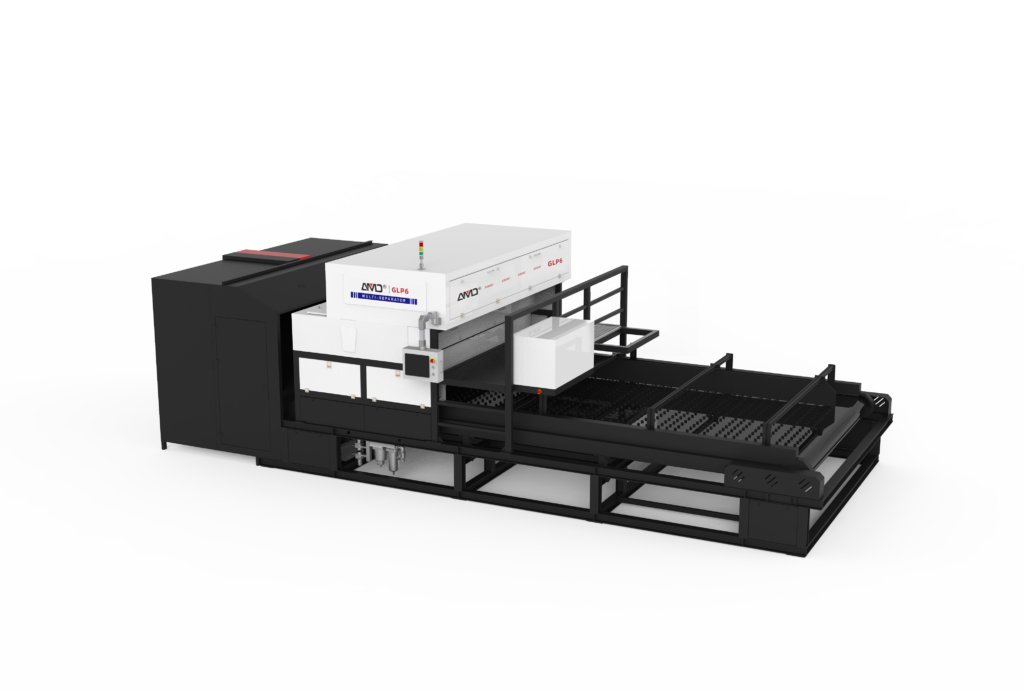
A plastic bottle recycling machine is industrial equipment designed to identify, separate, and recover recyclable plastic bottles from mixed waste streams. Depending on the context, the term may refer to an entire bottle recycling line—including conveying, washing, shredding, and pelletizing equipment—or to a dedicated plastic bottle sorting machine, which automatically separates bottles according to their material, color, and quality.
Today, the second definition is becoming increasingly common.
As recycling quality standards continue to rise, optical bottle sorting has become one of the most valuable stages of the entire recycling process. Modern recycling plants rely on intelligent sorting systems to remove contaminants before bottles reach downstream washing and flake production, improving both product quality and operational efficiency.
Unlike traditional manual sorting, today’s machines analyze every bottle individually as it travels across a high-speed conveyor belt. Advanced sensors capture detailed information about each object within milliseconds. Intelligent software then determines whether the bottle should be accepted, rejected, or directed into another material stream. Finally, high-speed air jets separate the bottle without slowing production.
A modern plastic bottle recycling machine can classify bottles using multiple characteristics at the same time, including:
- Polymer type — Separates PET, HDPE, PP, PVC, PS, and other plastics according to their unique spectral signatures.
- Bottle color — Identifies clear, light blue, green, amber, white, opaque, and mixed-color containers for higher-value recycling.
- Packaging application — Distinguishes food-grade packaging from non-food containers where required.
- Bottle shape and product type — Differentiates bottles from thermoformed trays, cups, or other rigid plastic packaging made from the same polymer.
- Labels, caps, and closures — Detects incompatible materials that may reduce recycling quality.
- Metal contamination — Identifies both ferrous and non-ferrous contaminants remaining in the material stream.
- Foreign objects — Removes paper, cardboard, glass, wood, and other unwanted materials before downstream processing.
The result is a cleaner, more consistent feedstock that improves washing efficiency, increases flake purity, reduces processing costs, and ultimately raises the market value of recycled plastic.
As demand for food-grade recycled PET (rPET) and high-purity HDPE continues to grow worldwide, accurate bottle sorting is no longer simply an efficiency upgrade—it has become a competitive advantage.
How Does a Plastic Bottle Recycling Machine Work?
Although equipment designs vary between manufacturers, most modern plastic bottle recycling machines follow the same fundamental workflow. Each stage prepares the material for the next, ensuring high sorting accuracy while maintaining continuous production.
Material Feeding
The recycling process begins by feeding collected plastic bottles into the production line using conveyors, vibrating feeders, or automated dosing systems.
Maintaining a stable, single-layer material flow is critical. When bottles overlap or pile together, sensors cannot accurately identify every object, reducing sorting performance.
To improve feeding consistency, many recycling facilities install bag openers, dosing hoppers, and pre-screening equipment before bottles enter the optical sorting stage.
Mechanical Pre-Sorting
Before bottles reach the optical sorter, several mechanical separation processes remove large contaminants and protect downstream equipment.
Typical equipment includes:
- Magnetic separators that remove steel bottle caps and other ferrous metals.
- Eddy current separators that recover aluminum cans and non-ferrous metals.
- Trommel or vibrating screens that classify materials by size while removing fine debris.
- De-labeling machines and air classifiers that strip labels and remove lightweight films.
Although these systems do not identify polymers, they significantly reduce the workload placed on the optical sorting machine and improve overall production efficiency.
Optical Identification
This is the core technology behind every modern plastic bottle recycling machine.
As bottles travel across the conveyor belt—often at speeds of up to 3–4 meters per second—multiple sensors inspect every object in real time.
Rather than relying on a single detection method, today’s advanced sorting systems often combine several technologies into a multi-sensor platform, allowing each bottle to be analyzed from multiple perspectives simultaneously.
Common detection technologies include:
- High-resolution RGB color cameras, which identify bottle colors such as clear, blue, green, amber, white, and opaque.
- Near-Infrared (NIR) spectroscopy, which recognizes the unique molecular signature of plastics and accurately separates PET, HDPE, PP, PVC, PS, and other polymers.
- AI vision and deep learning, which analyze bottle shape, texture, deformation, and surface characteristics. This allows the system to distinguish PET bottles from PET trays, recognize compressed containers, and identify damaged or partially covered packaging.
- Specialized sensors for difficult materials, including technologies developed for detecting dark or black plastics that conventional NIR systems may struggle to identify.
By combining these sensing technologies instead of relying on only one, modern optical sorters achieve significantly higher sorting accuracy when processing complex and highly contaminated recycling streams.
Intelligent Material Classification
Once sensor data has been collected, the onboard control system analyzes thousands of data points every second.
Instead of evaluating only color or polymer type, intelligent software simultaneously considers multiple characteristics, including transparency, polymer composition, object shape, label coverage, contamination level, and packaging category.
Artificial intelligence continuously refines recognition algorithms using real production data, enabling modern sorting systems to adapt more effectively to changing waste streams than conventional rule-based equipment.
Precision Air Separation
After each bottle has been identified, the control system calculates its exact position on the conveyor.
Within milliseconds, precisely timed bursts of compressed air eject selected bottles into dedicated collection chutes while non-target materials continue moving forward.
Modern valve arrays can activate thousands of times per minute, allowing recycling plants to maintain high throughput without compromising sorting purity.
Operator Tip: Even the most advanced optical sorter performs best when bottles are evenly distributed before reaching the sensor area. Improving material feeding often delivers a greater increase in sorting performance than upgrading sensor hardware alone.
Why Bottle Sorting Has Become the Most Important Step in Plastic Recycling
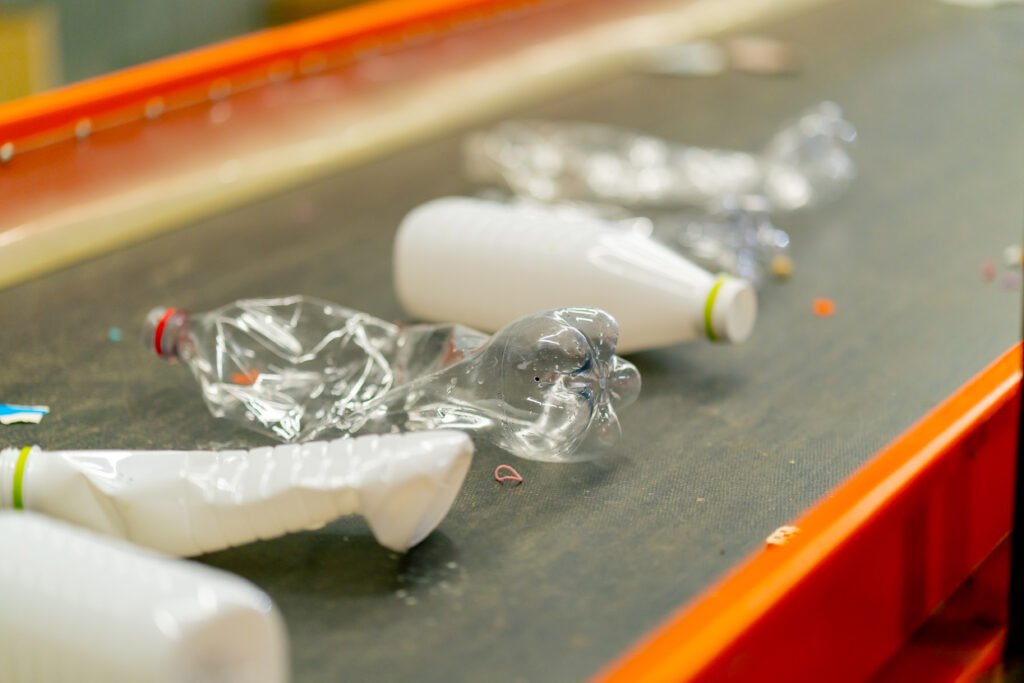
Many people assume that washing or pelletizing determines the quality of recycled plastic. In reality, sorting is the process that defines the quality of everything that follows.
Once different polymers become mixed, separating them later becomes significantly more difficult, more expensive, and, in some cases, nearly impossible. Even a small amount of PVC contamination in a PET recycling stream can damage recycled flakes during extrusion, while colored PET mixed with clear PET immediately reduces the value of food-grade recycled material.
Because of this, recycling plants increasingly focus on maximizing sorting accuracy before bottles ever enter the washing line.
Accurate bottle sorting delivers several important advantages:
- Higher recycled plastic purity, allowing recyclers to produce premium-grade materials with greater market value.
- Improved material recovery, reducing the amount of valuable plastic mistakenly rejected as waste.
- Lower washing and processing costs, since cleaner material requires less downstream treatment.
- Reduced energy and chemical consumption, improving both operating efficiency and sustainability.
- Greater compliance with food-contact and recycled-content regulations, which continue to become more demanding worldwide.
These benefits explain why sensor-based optical sorting has evolved from an optional equipment upgrade into a core component of virtually every modern plastic bottle recycling facility.
As demand for high-quality recycled plastics continues to grow, investing in intelligent bottle sorting technology is no longer simply about increasing production efficiency—it is about ensuring long-term competitiveness in an increasingly quality-driven recycling industry.
How to Choose the Right Plastic Bottle Recycling Machine
Not every plastic bottle recycling machine is designed for the same recycling application. A system that performs exceptionally well in a beverage bottle recycling plant may not deliver the same results when processing highly contaminated municipal waste or mixed household packaging.
That is why choosing the right equipment requires more than comparing prices or production capacity. Buyers should evaluate how well the machine matches their current materials while also considering future business growth.
1. Understand Your Feedstock
The first step is understanding exactly what materials enter your recycling line.
Ask yourself questions such as:
- Are you processing only PET beverage bottles?
- Does your material contain HDPE, PP, PVC, or PS?
- Are bottles mixed with trays, cups, films, or paper?
- How contaminated is the incoming material?
A recycling line handling relatively clean deposit-return bottles requires a different sensor configuration than one processing municipal solid waste (MSW).
The more complex the material stream, the more valuable advanced optical sorting becomes.
2. Match Capacity to Your Production Line
Throughput is one of the first specifications buyers compare, but it should never be evaluated in isolation.
An undersized sorting machine quickly becomes the bottleneck of an entire recycling line, reducing productivity and limiting future expansion. Conversely, an oversized machine increases capital investment and energy consumption without delivering meaningful operational benefits.
Instead of focusing only on tons per hour, consider:
- Belt width
- Conveyor speed
- Material bulk density
- Feeding consistency
- Planned production increases over the next five to ten years
Selecting equipment with room for moderate expansion often provides a better long-term return than purchasing a system designed only for today’s production volume.
3. Compare Sensor Technologies—Not Just Machine Specifications
The sensor system is the “eyes” of a plastic bottle recycling machine and largely determines what the equipment can identify.
Basic machines may rely only on RGB color cameras, making them suitable for straightforward color sorting. Higher-value recycling operations typically require more advanced sensor combinations.
Today’s leading optical sorting systems often integrate multiple technologies, including:
- RGB color cameras for identifying bottle colors and visible defects.
- Near-Infrared (NIR) spectroscopy for distinguishing different polymer types.
- AI vision systems for recognizing bottle shapes, damaged containers, and complex packaging.
- Specialized detection technologies for black plastics or other challenging materials.
Rather than depending on a single sensor, multi-sensor fusion combines information from several detection methods simultaneously. This significantly improves sorting accuracy when processing complex recycling streams and reduces both false acceptances and unnecessary material losses.
4. Balance Purity and Recovery Rate
Many buyers focus exclusively on sorting purity.
However, purity tells only half the story.
Imagine a machine that achieves 99% purity by rejecting a large amount of good PET together with contaminants. Although the output appears extremely clean, valuable recyclable material has been lost, reducing overall profitability.
The best recycling systems achieve an optimal balance between:
- High product purity
- High recovery rate
- Stable throughput
- Low false rejection
When comparing suppliers, request performance reports using feedstock similar to your own materials rather than relying only on laboratory demonstrations.
5. Consider Future Expansion
Recycling markets change rapidly.
Five years ago, many facilities sorted only PET and HDPE bottles. Today, customers increasingly request separation by food-grade applications, bottle color, packaging type, and even bottle versus tray identification.
A machine that can be upgraded through software updates, additional sensors, or modular expansion is often a smarter investment than equipment with fixed capabilities.
Choosing a future-ready system reduces upgrade costs and helps recycling plants respond more quickly to changing market demands.
6. Evaluate Service Beyond Installation
A plastic bottle recycling machine is expected to operate continuously for many years.
Long-term performance depends not only on hardware quality but also on the supplier’s technical support.
Before purchasing, ask about:
- Spare parts availability
- Remote diagnostics
- Preventive maintenance programs
- Software upgrades
- Operator training
- Technical response times
Reliable after-sales support minimizes downtime and helps maintain consistent production throughout the equipment’s life cycle.
Key Features of a High-Performance Plastic Bottle Recycling Machine
Although different manufacturers offer different configurations, the best-performing systems share several common characteristics.
AI-Powered Recognition
Artificial intelligence enables the machine to recognize more than just color or polymer type. It can also evaluate object shape, texture, deformation, packaging style, and contamination patterns, improving performance when recycling increasingly complex waste streams.
Multi-Sensor Fusion
Instead of relying on a single detection technology, advanced systems combine NIR spectroscopy, RGB cameras, AI vision, and other specialized sensors. This approach provides a more complete understanding of every bottle and greatly improves sorting accuracy.
Flexible Software
Modern recycling requirements change frequently.
User-friendly software allows operators to switch between different sorting recipes, adjust sensitivity, create new material categories, and optimize machine performance without replacing hardware.
Stable High-Speed Operation
Industrial recycling plants often operate around the clock.
Reliable conveyors, fast image processing, durable optical components, and high-speed valve systems ensure consistent sorting performance while minimizing maintenance requirements.
Modular Design
A modular machine can be integrated into existing recycling lines with minimal disruption.
Whether installed before washing, after de-labeling, or before bottle crushing, modular systems make future upgrades simpler and reduce installation costs.
Common Applications of Plastic Bottle Recycling Machines
The role of a plastic bottle recycling machine continues to expand as recycling technologies become more sophisticated.
Today, these systems are widely used in applications including:
- PET beverage bottle recycling for bottle-to-bottle food-grade rPET production.
- HDPE milk bottle recycling, separating natural HDPE from colored containers.
- Detergent and household chemical packaging, where accurate polymer separation increases material value.
- Cosmetic and personal care packaging, requiring precise color and polymer identification.
- Deposit Return Scheme (DRS) recycling centers, processing clean, high-volume bottle streams.
- Mixed rigid plastic recycling, recovering valuable packaging from household waste.
- Municipal Solid Waste (MSW) facilities, extracting recyclable bottles before landfill disposal.
- Plastic recovery facilities (MRFs) seeking to maximize resource recovery while reducing manual labor.
As governments introduce higher recycled-content requirements and brand owners commit to using more recycled plastics, demand for high-performance bottle sorting equipment is expected to continue growing.
FAQs
What is the difference between a plastic bottle recycling machine and a plastic bottle sorting machine?
A plastic bottle recycling machine is a broad term that may describe an entire recycling system, including conveying, washing, shredding, sorting, drying, and pelletizing equipment. A plastic bottle sorting machine specifically refers to the optical sorting equipment that automatically separates bottles by polymer type, color, shape, or quality.
Can one machine sort both PET and HDPE bottles?
Yes. Modern NIR-based optical sorters can accurately distinguish PET, HDPE, PP, PVC, PS, and several other polymers on the same production line. Operators can typically change sorting programs through software without modifying the hardware.
How do recycling machines identify black plastic bottles?
Traditional NIR sensors have difficulty detecting black plastics because carbon black absorbs infrared light. Many advanced recycling systems overcome this challenge by combining AI vision with specialized detection technologies, allowing black bottles and other difficult materials to be sorted more accurately.
What throughput should I choose?
The ideal throughput depends on your feedstock, conveyor width, production schedule, and future expansion plans. Choosing equipment that closely matches both your current and expected production capacity usually provides the best long-term return on investment.
What is the ROI of a plastic bottle recycling machine?
Return on investment depends on several factors, including throughput, recovery rate, material purity, labor savings, and the market value of recycled plastics. Although every project is different, improving sorting accuracy often increases product value while reducing downstream processing costs, allowing many recycling facilities to recover their investment within a relatively short period.
Is AI technology necessary for bottle recycling?
Traditional optical sorting remains highly effective for standard polymer and color separation. However, AI becomes increasingly valuable when processing compressed bottles, damaged packaging, mixed rigid plastics, or objects made from the same polymer but intended for different recycling streams. As recycling standards continue to rise, AI-assisted sorting is rapidly becoming the preferred solution.
Final Thoughts
A modern plastic bottle recycling machine is far more than a mechanical sorting device. It is an intelligent system that combines optical sensing, artificial intelligence, high-speed automation, and data-driven decision-making to maximize both material recovery and recycled plastic quality.
As global demand for food-grade recycled plastics continues to increase, sorting has become the foundation of every successful recycling operation. Higher purity materials reduce downstream processing costs, improve operational efficiency, and create greater commercial value throughout the recycling chain.
For recycling companies planning new investments, the most important decision is not simply choosing the fastest machine—it is selecting a solution that matches today’s production requirements while remaining flexible enough for tomorrow’s market demands.
At PolySorter, we design advanced sensor-based bottle sorting solutions for PET, HDPE, PP, and mixed rigid plastic recycling applications. Whether you are upgrading an existing recycling line or building a new facility, our engineering team can evaluate your material characteristics, production targets, and purity requirements to recommend the most suitable configuration for your operation.
Contact PolySorter today to discuss your recycling project or request a customized plastic bottle sorting solution that helps maximize recovery rates, improve recycled material quality, and achieve a stronger long-term return on investment.