Plastic recycling has become far more advanced than simply separating bottles from general waste. Today’s recycling facilities are expected to produce high-purity recycled plastics that can re-enter manufacturing streams for packaging, textiles, automotive components, and consumer products. Among the most important materials in this process are PET and HDPE, two plastics that dominate global packaging waste streams. However, despite their widespread use, PET vs. HDPE sorting remains one of the biggest operational challenges for recycling plants.
Mixed plastic waste often arrives contaminated with labels, colored flakes, caps, multilayer packaging, moisture, dust, and even visually similar polymers. If PET and HDPE are not accurately separated, the final recycled material loses value, processing efficiency drops, and manufacturers may reject the recycled resin entirely. That is why modern recycling facilities increasingly rely on AI-driven optical sorting systems, NIR technology, multispectral cameras, and automated flake sorting equipment to improve purity and reduce material loss.
This guide explores the most common PET and HDPE sorting challenges, the technologies used to solve them, and what recycling operators should evaluate before choosing a plastic sorting machine.
Why PET vs. HDPE Sorting Matters in Modern Recycling
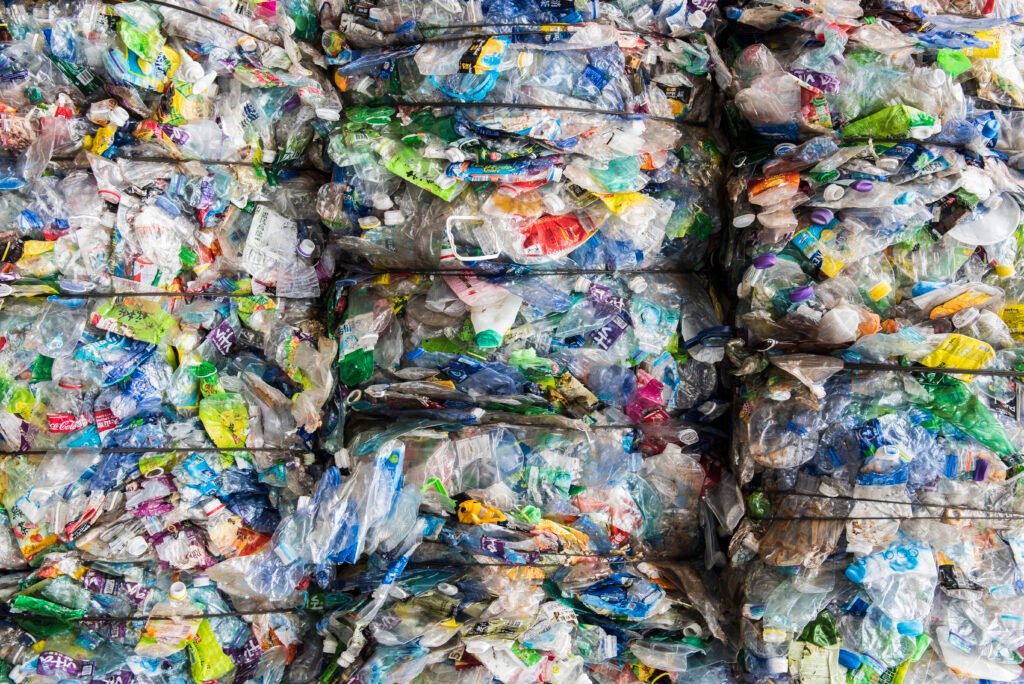
PET and HDPE may look similar in mixed recycling streams, but they behave very differently during downstream processing. PET is commonly used for beverage bottles and food packaging, while HDPE is widely used in detergent containers, milk jugs, industrial bottles, and chemical packaging.
The problem begins when both materials enter the same recycling line.
Even a small amount of HDPE contamination inside recycled PET can create defects during extrusion and bottle production. Likewise, PET contamination inside HDPE recycling streams can negatively affect melt flow, structural consistency, and product quality. For recyclers selling food-grade or high-purity recycled material, contamination levels must often remain extremely low.
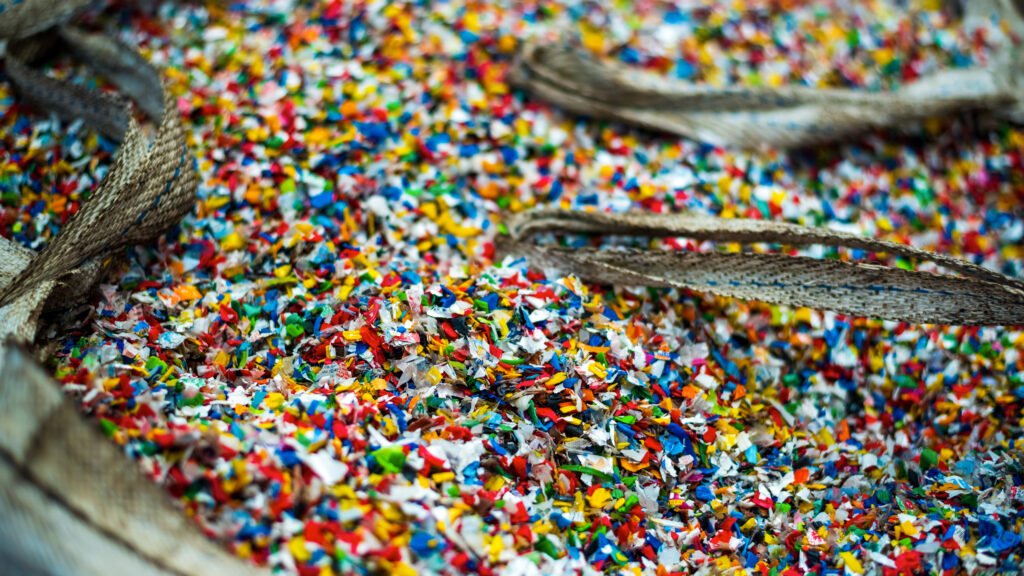
This challenge becomes even more complicated after crushing and washing processes. Once bottles are converted into flakes, visual identification becomes difficult because:
- Transparent PET flakes may resemble light-colored HDPE.
- Colored labels remain attached to materials.
- Bottle caps introduce PP contamination.
- Moisture and dust affect sensor accuracy.
- Black or dark-colored plastics are harder to identify.
- Mixed flake sizes reduce sorting consistency.
For recycling plants handling high-throughput production, manual sorting is no longer realistic. Automated PET vs. HDPE sorting systems are now essential for maintaining stable output quality and meeting buyer specifications.
The Most Common PET and HDPE Sorting Challenges
1. Color Contamination in Plastic Flakes
One of the most frequent issues in PET recycling lines is color contamination. Clear PET has a significantly higher market value than mixed-color PET. However, separating light blue, green, white, and transparent flakes at high speed is difficult using traditional equipment.
This becomes even more problematic when HDPE flakes with similar brightness levels enter the stream.
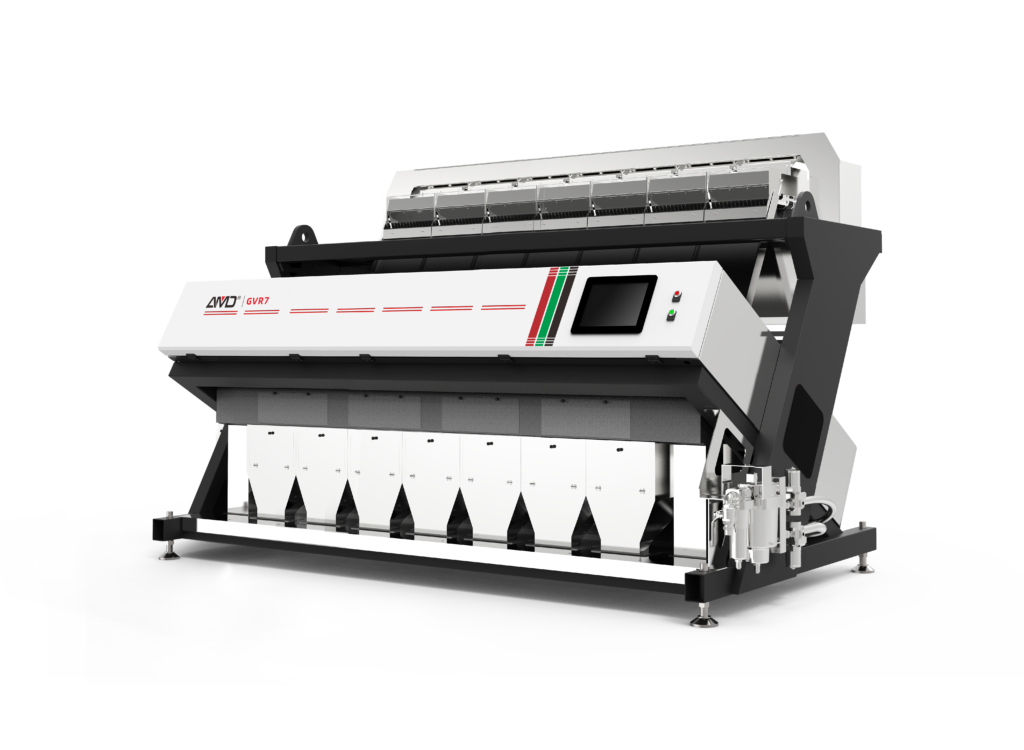
Modern flake color sorters solve this challenge using high-resolution optical cameras and multispectral imaging systems capable of detecting subtle color variations. Advanced systems can simultaneously remove:
- Blue PET flakes
- Green PET contamination
- White HDPE flakes
- Yellowed plastics
- PVC impurities
- Dark-colored fragments
Some recycling facilities now use AI-supported deep-learning recognition systems to continuously optimize sorting precision based on material characteristics and changing environmental conditions.
2. Polymer Identification Problems
Color sorting alone is not enough for high-purity recycling applications. PET and HDPE can sometimes appear visually identical, especially after shredding and washing. This is where polymer identification becomes critical.
Near-infrared (NIR) sorting technology has become one of the most effective solutions for PET vs. HDPE sorting because it identifies plastics based on molecular signatures rather than visible appearance.
NIR-powered polymer sorters can separate:
- PET from HDPE
- PET from PVC
- PP from PE
- ABS from PS
- Engineering plastics from mixed streams
This dramatically improves recycled resin purity and reduces downstream processing risks.
Facilities processing bottle flakes, rigid packaging waste, and post-consumer plastics increasingly integrate NIR polymer sorters directly after washing systems to remove hidden contamination before pelletizing begins.
3. PVC Contamination in PET Recycling
PVC contamination is one of the most damaging issues in PET recycling. Even trace amounts of PVC can degrade PET during thermal processing, leading to yellowing, black specks, material degradation, and production instability.
The challenge is that PVC can sometimes resemble PET visually.
Traditional sorting methods often struggle to remove small PVC particles from PET flakes consistently. Advanced PET purification systems now combine UV detection, NIR recognition, and AI-assisted sorting algorithms to identify PVC more accurately during high-speed operation.
For facilities producing food-grade recycled PET, this type of precision sorting is no longer optional. Buyers increasingly demand tighter contamination control and more consistent flake purity.
Some modern PET purification systems are specifically designed to remove:
- PVC
- Silicone residues
- Colored PET
- Foreign polymers
- Metal fragments
- Aged or yellowed flakes
These technologies help recycling plants maintain stable material quality while improving the commercial value of recycled output.
How AI-Driven Plastic Sorting Machines Improve Recycling Efficiency
The recycling industry has rapidly shifted from basic optical sorting toward intelligent sensor-based sorting systems. AI-driven sorting equipment can now analyze material characteristics in real time and automatically adjust sorting behavior based on throughput conditions.
Compared with older systems, modern AI sorting machines offer several advantages:
Higher Sorting Accuracy
Deep-learning algorithms continuously improve recognition performance, particularly when processing:
- Mixed bottle flakes
- Dirty plastics
- Irregularly shaped materials
- Multilayer packaging
- Aged recycled plastics
This helps facilities maintain consistent purity even when incoming waste quality changes throughout the day.
Faster Throughput
High-speed ejector systems allow modern sorting machines to process large material volumes while maintaining precision. This is especially important for commercial recycling plants operating continuously.
Reduced Material Loss
Older sorting systems often sacrifice usable material to achieve higher purity. Intelligent sorting systems improve the balance between purity and yield, helping operators recover more sellable material.
Better Adaptability
Modern sorting platforms can often be configured for multiple applications, including:
- PET flake purification
- HDPE sorting
- Mixed rigid plastic separation
- Plastic bottle sorting
- Engineering plastic recovery
- Pellet sorting
This flexibility helps recycling plants expand operations without completely redesigning their production lines.
What to Look for When Choosing a PET and HDPE Sorting Machine
Choosing the right sorting system is one of the most important decisions for any recycling facility. Many buyers focus only on initial machine pricing, but long-term operational performance matters far more.
When evaluating PET vs. HDPE sorting equipment, recyclers should consider several key factors.
Sensor Technology
High-quality sorting systems typically combine multiple detection technologies, such as:
- Optical color cameras
- NIR sensors
- UV detection
- Deep-learning recognition
- Multispectral imaging
The combination of technologies determines how effectively the machine handles difficult contamination scenarios.
Sorting Accuracy and Purity
Ask suppliers about achievable purity levels under real production conditions rather than laboratory testing environments.
Consistency matters more than peak performance numbers.
Throughput Capacity
The machine should match both current production needs and future expansion plans. Undersized systems quickly become bottlenecks in high-volume recycling operations.
Adaptability to Different Materials
Many facilities process more than one material stream. Equipment capable of sorting PET, HDPE, PP, PE, and engineering plastics provides greater long-term flexibility.
Maintenance and Stability
Continuous recycling operations require stable equipment with minimal downtime. Reliable air systems, ejectors, sensors, and software support are critical for maintaining productivity.
Integration Into Existing Recycling Lines
Modern sorting systems should integrate smoothly with:
- Crushing systems
- Washing lines
- Drying systems
- Conveyors
- Pelletizing equipment
Proper integration reduces installation complexity and improves overall operational efficiency.
The Future of PET vs. HDPE Sorting Technology
As recycled material standards continue rising worldwide, plastic recycling technology will become increasingly intelligent and automated.
Several trends are already shaping the future of PET and HDPE sorting:
- AI-assisted adaptive recognition
- Higher-resolution multispectral imaging
- Improved dark plastic identification
- Smarter ejector systems
- Real-time purity monitoring
- Integrated data analytics for recycling plants
- Automated material classification systems
At the same time, governments and manufacturers are demanding higher recycled content in packaging products. This creates additional pressure for recyclers to produce cleaner, more consistent recycled materials.
Facilities relying on outdated sorting methods may struggle to remain competitive as purity requirements become stricter.
Modern sensor-based sorting systems are no longer viewed simply as optional upgrades. They are increasingly becoming the foundation of efficient, profitable plastic recycling operations.
FAQ About PET vs. HDPE Sorting
Why is PET and HDPE separation so important?
PET and HDPE have different melting temperatures and processing characteristics. Cross-contamination reduces recycled material quality and can create defects during manufacturing.
What is the best technology for PET vs. HDPE sorting?
NIR sorting technology is currently one of the most effective solutions because it identifies polymers based on molecular composition rather than appearance alone.
Can color sorters remove PVC contamination from PET?
Advanced AI-driven color sorters combined with NIR and UV detection systems can effectively identify and remove PVC contamination from PET recycling streams.
Why are black plastics difficult to sort?
Traditional optical systems struggle to detect black plastics because they absorb light differently. New multispectral and AI-assisted systems are improving dark plastic recognition significantly.
Are AI sorting machines better than traditional optical sorters?
AI-driven systems generally offer higher sorting accuracy, better adaptability, lower material loss, and improved performance under changing recycling conditions.
Can one sorting machine handle multiple plastic materials?
Many modern sorting systems are designed to process multiple polymers, including PET, HDPE, PP, PE, ABS, and mixed engineering plastics, depending on sensor configuration.
Final Thoughts
PET vs. HDPE sorting is no longer just a basic recycling task. It has become a precision-driven process that directly affects recycled material quality, operational profitability, and long-term competitiveness.
As recycling standards continue to rise, facilities that invest in advanced optical sorting, NIR polymer recognition, and AI-driven purification technologies will be better positioned to deliver consistent, high-purity recycled plastics to the market.
For buyers evaluating plastic sorting equipment, the key is not simply choosing a machine with the highest speed. The real value comes from stable performance, accurate contamination removal, adaptability to changing material streams, and reliable long-term operation in demanding recycling environments.