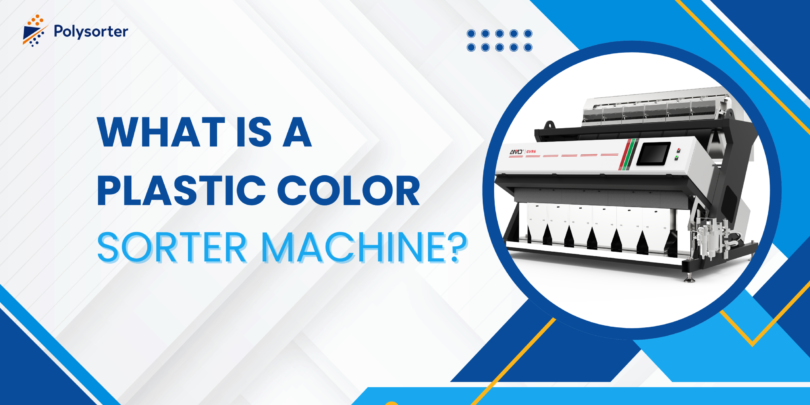
When buyers search for what a plastic color sorter machine is, they are usually not just looking for a definition—they are trying to understand whether this equipment is worth investing in and how it fits into their production line.
A plastic color sorter machine is an automated optical sorting system designed to separate plastic materials based on color differences. It uses advanced imaging technology, typically CCD cameras or AI-based vision systems, to detect variations in color, brightness, and sometimes even material composition. Once identified, unwanted particles are removed using high-speed air jets.
In real production environments, this process replaces manual sorting, which is often inconsistent, labor-intensive, and limited in accuracy. For industries such as plastic recycling, pellet manufacturing, and packaging material processing, achieving high purity levels is critical. Even a small percentage of contamination can significantly reduce the value of the final product.
That’s why plastic sorting machines are no longer considered optional equipment—they are becoming a standard requirement for companies aiming to scale operations while maintaining consistent quality.
How Does a Plastic Color Sorter Machine Work?
Understanding how a plastic color sorter machine works helps buyers evaluate performance beyond just specifications.
The process typically involves four main stages:
Feeding and Distribution
Plastic materials—whether flakes, granules, or pellets—are evenly distributed through a vibrating feeder or conveyor system. Uniform feeding is essential because overlapping materials can reduce detection accuracy.
Optical Detection System
At the core of the machine is a high-resolution camera system. Traditional machines rely on CCD sensors, while more advanced models integrate AI algorithms for improved recognition accuracy. The system scans each particle in real time and compares it against preset parameters.
Signal Processing and Decision Making
Once the system detects a color deviation or impurity, it immediately processes the signal. The response time is typically measured in milliseconds, ensuring no delay in sorting.
Air Ejection System
Precision air valves eject the unwanted particles from the material stream. The accuracy of this system directly impacts both sorting efficiency and material loss rates.
This combination of speed and precision is what allows modern sorting machines to handle large volumes while maintaining high purity levels.
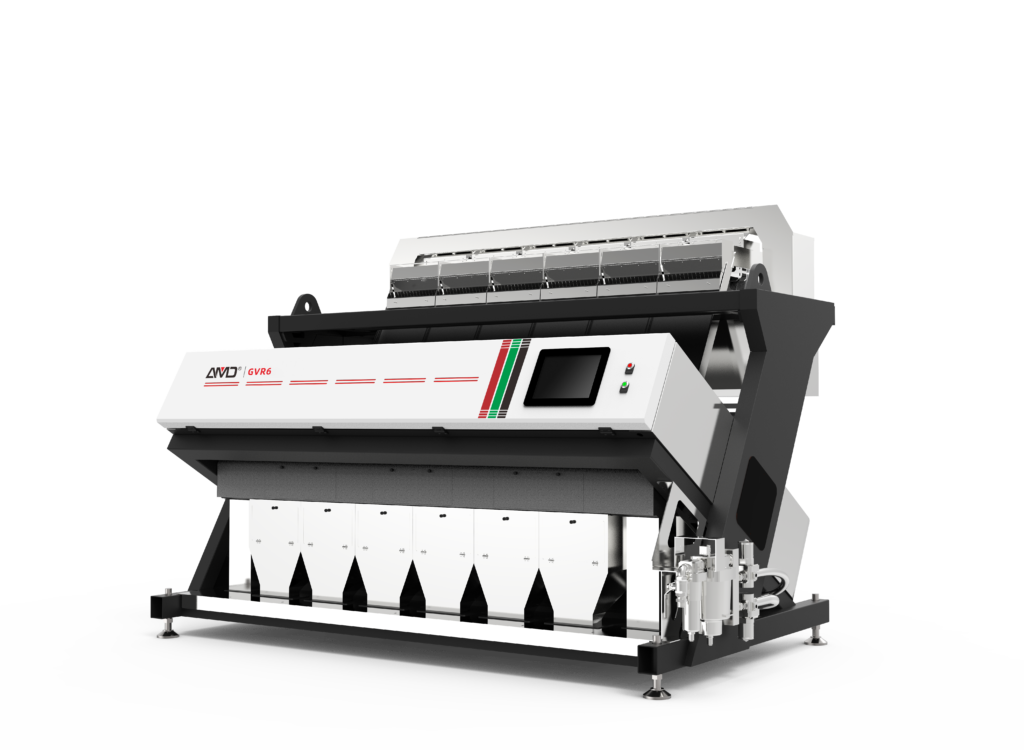
Types of Plastic Color Sorter Machines and Their Applications
Not all plastic color sorter machines are the same. Choosing the right type depends heavily on your material and production goals.
1. Color-Based Sorting Machines (CCD Type)
These are the most common and cost-effective options. They are ideal for separating plastics by visible color differences, such as removing black or yellow particles from white pellets.
2. AI-Enhanced Sorting Machines
These systems combine traditional optical detection with machine learning algorithms. They are more effective in handling complex materials and subtle color variations.
3. Near-Infrared (NIR) Sorting Machines
Used for material identification rather than just color, NIR systems can distinguish between different plastic types such as PET, HDPE, and PVC. These are widely used in advanced recycling facilities.
4. Multi-Chute High-Capacity Machines
Designed for industrial-scale operations, these machines offer higher throughput and are suitable for large recycling plants.
Each type serves a different purpose, and selecting the wrong configuration can lead to unnecessary costs or suboptimal performance.
Key Factors to Consider When Choosing a Plastic Color Sorter Machine
For buyers, the biggest challenge is not understanding what a plastic color sorter machine is—but knowing how to choose the right one.
Here are the factors that actually matter in real purchasing decisions:
Sorting Accuracy
High accuracy ensures product purity, but it must be balanced with yield. Overly aggressive sorting can increase material loss.
Throughput Capacity
Measured in tons per hour, this determines whether the machine can match your production scale.
Camera Resolution and Technology
Higher resolution cameras improve detection performance, especially for small or subtle defects.
Air Valve Performance
The speed and durability of air valves directly affect long-term operating costs and consistency.
Material Compatibility
Not all machines perform equally across flakes, pellets, or mixed plastics. Always match the machine to your specific material.
Maintenance and Stability
A machine that requires frequent calibration or maintenance can disrupt production more than it helps.
From a buyer’s perspective, these factors often matter more than brand names or marketing claims. A well-matched machine will deliver better ROI than a high-end machine used in the wrong application.
If you’re evaluating options and unsure how different configurations compare, it’s usually more efficient to discuss your material and output goals directly with a manufacturer before making a decision.
Learn about the Automatic Plastic Sorting Solution for Small Plants
Why Plastic Color Sorters Are Essential in Modern Recycling
The role of plastic color sorter machines has expanded significantly with the growth of global recycling demands.
Today, recycled plastics are no longer used only for low-grade applications. Many industries now require high-purity recycled materials that can meet strict quality standards. This shift has made advanced sorting technology essential.
Without proper sorting:
- Contaminated materials reduce product value.
- Inconsistent quality leads to customer rejection.
- Production efficiency decreases due to reprocessing.
With a reliable sorting system:
- Product consistency improves.
- Waste is reduced.
- Profit margins increase.
For businesses aiming to move up the value chain, investing in a suitable plastic color sorter is often a strategic step rather than just an operational upgrade.

FAQ About Plastic Color Sorter Machines
1. Can a plastic color sorter handle mixed plastic materials?
Standard machines focus on color differences, but advanced models with NIR technology can identify and separate different plastic types.
2. What is the typical accuracy rate?
Most industrial machines achieve 90–99% accuracy, depending on material conditions and machine configuration.
3. Is it suitable for small-scale operations?
Yes, compact models are available, but capacity and cost should be carefully evaluated against production needs.
4. How much material loss should be expected?
Material loss varies depending on settings, but a well-calibrated system minimizes unnecessary rejection.
5. How often does the machine require maintenance?
Routine maintenance is usually minimal, but air valves and optical systems should be checked regularly for optimal performance.
Final Thoughts
Understanding what a plastic color sorter machine is is only the first step. The real value comes from selecting a machine that aligns with your material, capacity, and quality requirements.
In a market where product quality directly impacts competitiveness, the right sorting solution can make a measurable difference. If you are planning to upgrade your production line or explore new recycling opportunities, taking the time to evaluate your options carefully will pay off in the long run.
If you need help comparing configurations or understanding which setup fits your application, reaching out to an experienced manufacturer can save both time and cost during the decision-making process.