The recycling industry is undergoing a major transformation as artificial intelligence becomes a key driver of sorting efficiency and material recovery. Traditional recycling systems often rely on manual labor, color-based sorting, or simple optical sensors, which can struggle when materials are dirty, mixed, compressed, or visually similar.
This is where AI Recycling Sorting comes into play.
AI-powered recycling systems combine machine vision, deep learning algorithms, and advanced sensor technologies to identify and separate recyclable materials with remarkable speed and precision. Whether sorting plastic bottles, PET flakes, HDPE containers, mixed polymers, or packaging waste, AI sorting technology helps recycling facilities increase purity, reduce labor costs, and maximize the value of recovered materials.
As recycling targets become stricter worldwide, understanding how AI recycling sorting works is becoming increasingly important for plant owners, recyclers, and investors looking to upgrade their operations.
What Is AI Recycling Sorting and Why Is It Important?
AI Recycling Sorting refers to the use of artificial intelligence, machine vision, and sensor-based detection technologies to automatically identify and separate recyclable materials from mixed waste streams.
Unlike conventional optical sorters that mainly recognize colors, AI systems analyze multiple characteristics simultaneously, including:
- Material composition
- Shape and geometry
- Surface texture
- Transparency
- Label contamination
- Dirt and residue levels
- Packaging type
- Object size and dimensions
For example, a traditional color sorter may identify a blue plastic bottle simply because of its color. An AI recycling sorter can determine whether that bottle is PET, HDPE, PVC, or another polymer while also evaluating whether it contains labels, contaminants, or food residues.
This capability significantly improves sorting accuracy and enables recyclers to produce higher-purity recycled materials that meet increasingly demanding market requirements.
As the value of recycled plastics continues to rise, even a small increase in material purity can lead to substantial improvements in profitability.
How AI Recycling Sorting Technology Works
The operation of an AI recycling sorting system involves several coordinated technologies working together in real time.
Material Feeding and Image Capture
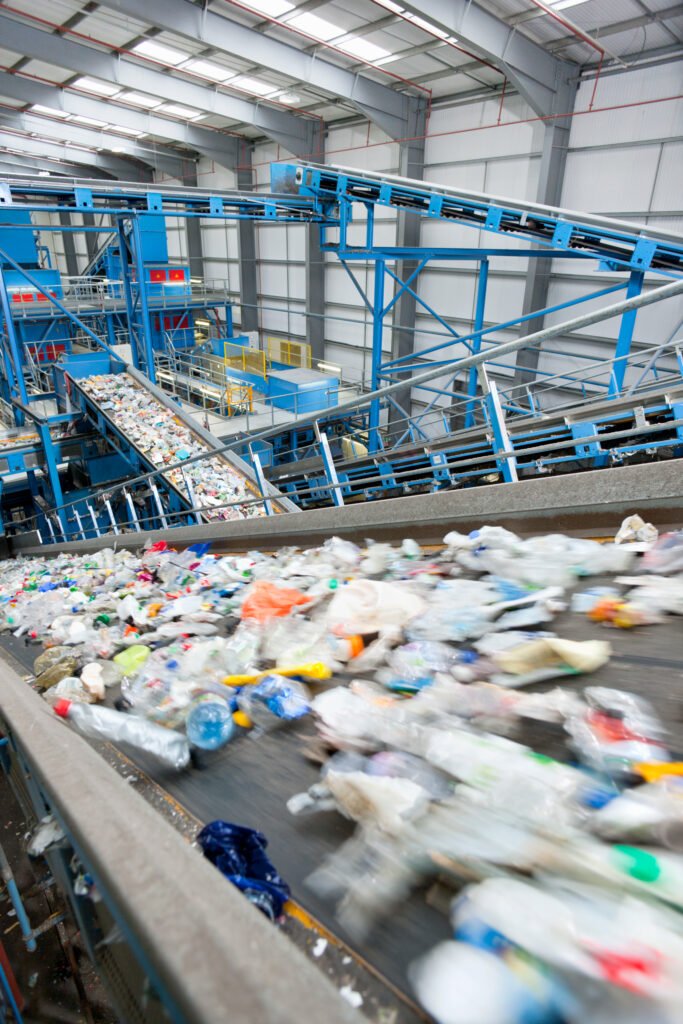
Mixed recyclable materials are first spread evenly across a high-speed conveyor belt.
As materials pass through the detection zone, multiple cameras and sensors capture detailed information about each object.
Modern systems may include:
- RGB cameras
- Hyperspectral cameras
- Near-infrared (NIR) sensors
- UV sensors
- High-resolution industrial imaging systems
These sensors create a digital profile for every item moving through the sorting line.
AI Recognition and Deep Learning Analysis
The captured data is processed by AI models trained on millions of material samples.
Unlike rule-based systems, deep learning algorithms continuously improve recognition capabilities by identifying complex patterns that human operators or traditional software may miss.
The AI system can distinguish between:
- PET and PVC
- HDPE and PP
- Food-grade and non-food-grade plastics
- Transparent and opaque materials
- Clean and contaminated recyclables
Even when materials appear visually similar, AI algorithms can detect subtle differences that enable accurate separation.
High-Speed Ejection
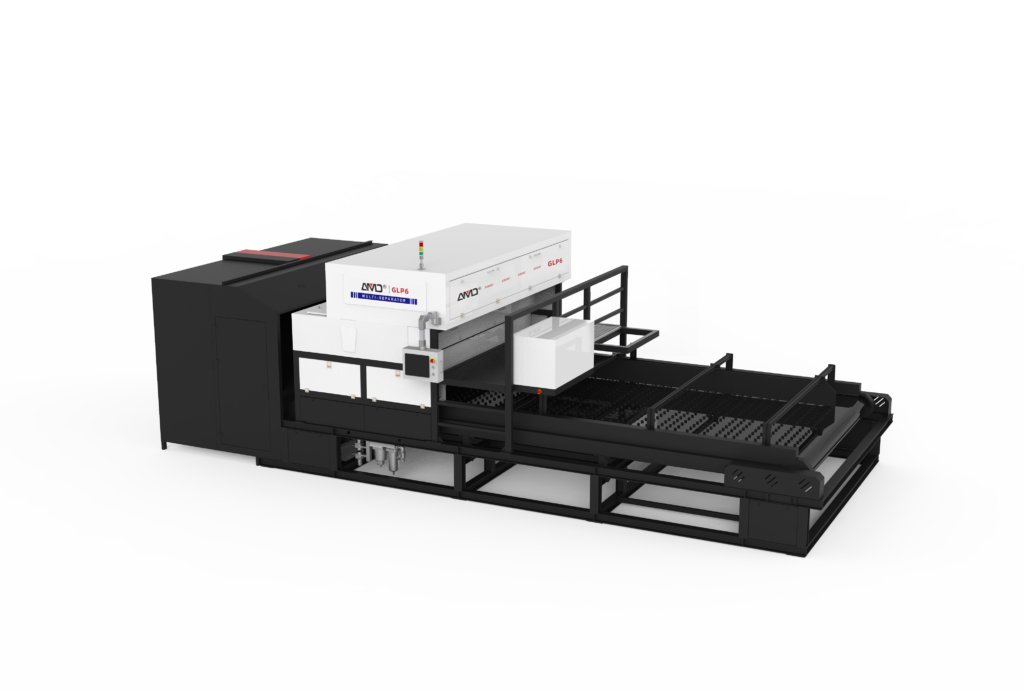
Once the material has been classified, the system activates targeted air jets.
Within milliseconds, the identified object is blown into the appropriate collection channel while acceptable material continues on its original path.
Some advanced sorting lines process thousands of objects every second while maintaining consistent accuracy.
AI Recycling Sorting vs Traditional Recycling Sorting
Many recycling plants still rely on manual sorting or basic optical systems. While these methods can be effective for simple applications, they face limitations as waste streams become more complex.
Traditional sorting systems often struggle with:
- Dirty plastics
- Crushed bottles
- Mixed-color materials
- Similar-looking polymers
- Black plastics
- Flexible packaging
AI recycling sorting addresses these challenges through intelligent recognition rather than relying solely on color differences.
For example, in a PET bottle recycling facility, workers may find it difficult to identify bottles that are heavily compressed or covered by labels.
An AI-driven system can analyze shape, material characteristics, and spectral signatures simultaneously, allowing accurate identification even when visual conditions are poor.
As labor shortages continue affecting recycling operations globally, AI sorting technology also reduces dependence on manual inspection while improving consistency across shifts.
Key Applications of AI Recycling Sorting in Plastic Recycling
AI sorting technology is becoming a critical component throughout the plastic recycling value chain.
PET Bottle Recycling
AI systems can identify:
- Clear PET bottles
- Blue PET bottles
- Green PET bottles
- Food-grade PET
- Non-food PET
- Contaminated PET containers
This helps recyclers produce higher-value recycled PET flakes.
Plastic Flake Purification
After washing and shredding, AI sorters remove:
- PVC contamination
- Colored flakes
- Metal impurities
- Foreign polymers
- Burned materials
Purity improvements at this stage directly impact the quality of recycled pellets.
Mixed Plastic Separation
One of the most challenging tasks in recycling involves separating mixed polymers.
AI sorting systems can distinguish:
- PET
- HDPE
- PP
- PS
- ABS
- PVC
- PC
- PA
This capability creates new revenue opportunities from waste streams that were previously difficult to process economically.
Bottle-to-Bottle Recycling
Food-grade recycling applications require extremely high purity standards.
AI recycling sorting helps manufacturers meet these requirements by identifying and removing contaminants before they enter downstream processing.
How to Choose the Right AI Recycling Sorting Machine
Not all AI sorting equipment offers the same performance.
When evaluating suppliers, buyers should focus on several critical factors.
Detection Technology
Look for systems that combine:
- AI vision recognition
- NIR polymer identification
- Multi-spectral imaging
- Deep learning algorithms
The more detection methods integrated into the system, the greater its ability to handle difficult materials.
Sorting Accuracy
Request verified purity and recovery data rather than relying solely on marketing claims.
High-performance systems should maintain stable sorting performance under continuous production conditions.
Throughput Capacity
The machine should match current production requirements while providing room for future expansion.
Undersized equipment can quickly become a bottleneck.
Adaptability
Waste streams change over time.
AI systems capable of software upgrades and model retraining offer better long-term value.
After-Sales Support
Technical support, spare parts availability, training, and remote diagnostics can significantly affect operational efficiency after installation.
For many recyclers, total lifecycle value is more important than the initial purchase price.
FAQ About AI Recycling Sorting
What is AI recycling sorting?
AI recycling sorting uses artificial intelligence, machine vision, and advanced sensors to automatically identify and separate recyclable materials from mixed waste streams.
Can AI sorting identify different plastic types?
Yes. Modern AI sorting systems can distinguish polymers such as PET, HDPE, PP, PVC, ABS, PS, and many other plastics with high accuracy.
Is AI recycling sorting better than traditional color sorting?
In most applications, yes. AI systems analyze multiple material characteristics simultaneously rather than relying only on color differences, resulting in higher sorting accuracy.
Can AI sort dirty or compressed plastics?
Yes. Advanced deep-learning algorithms can recognize materials even when bottles are crushed, labels remain attached, or surfaces contain contamination.
Is AI recycling sorting suitable for small recycling plants?
Many manufacturers now offer compact AI sorting systems designed specifically for small and medium-sized recycling operations.
What purity levels can AI sorting achieve?
Actual performance varies depending on material conditions and system configuration, but properly designed AI sorting lines can achieve very high purity levels required for premium recycled materials.
Summary
AI Recycling Sorting is rapidly becoming the foundation of modern recycling facilities. By combining artificial intelligence, machine vision, near-infrared detection, and automated ejection systems, recyclers can achieve levels of accuracy and productivity that traditional sorting methods cannot match.
Whether processing plastic bottles, PET flakes, mixed polymers, or complex packaging waste, AI-powered sorting helps facilities improve purity, reduce operating costs, and increase the market value of recovered materials.
For recycling companies planning future investments, choosing an advanced AI recycling sorting solution is no longer simply a technology upgrade—it is a strategic decision that can directly influence profitability, material quality, and long-term competitiveness.
If you are evaluating AI recycling sorting equipment for PET bottles, plastic flakes, or mixed polymer recycling lines, explore the latest solutions available from Polysorter or contact our technical team for a customized sorting recommendation based on your specific material stream and production goals.