The plastic recycling industry is entering a new era. In 2026, recycling facilities face growing pressure from stricter environmental regulations. They also face increasing demand for high-quality recycled materials and higher expectations from brands committed to sustainability. Artificial intelligence (AI) and machine vision technologies are at the center of this transformation. These technologies are changing how recyclable plastics are identified, sorted, and recovered.
As Extended Producer Responsibility (EPR) policies expand across global markets, manufacturers are seeking reliable sources of food-grade recycled plastics. As a result, intelligent sorting systems have become essential infrastructure for modern recycling operations.
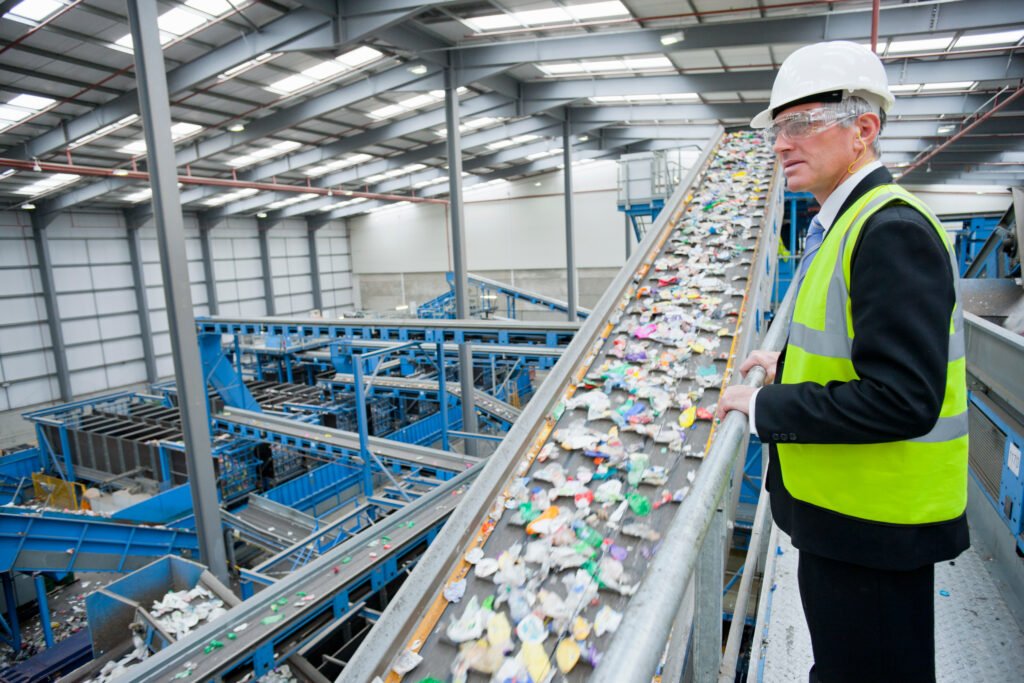
The Impact of EPR Regulations on Recycling Performance
Governments around the world are strengthening EPR frameworks. These regulations require producers to take greater responsibility for collecting, recycling, and managing packaging waste. Many programs now focus on measurable recycling rates, recycled-content targets, and material traceability.
For recycling companies, this means higher recovery requirements and stricter quality standards. Mixed plastic streams that were once acceptable are no longer sufficient. Processors must now deliver cleaner and more consistent recycled materials. These materials need to meet the demands of modern manufacturing supply chains.
Traditional manual sorting methods struggle to meet these expectations. Human operators cannot reliably identify thousands of plastic items every minute. They also find it difficult to distinguish between visually similar polymers. AI-powered sorting systems solve this problem by delivering continuous, high-speed, and highly accurate material recognition.
Growing Demand for Food-Grade rPET
One of the strongest market drivers in 2026 is the growing demand for food-grade recycled polyethylene terephthalate (rPET). Beverage brands, packaging manufacturers, and consumer goods companies are increasing recycled content in their products. They are doing this to meet sustainability goals and regulatory requirements.
However, producing food-grade rPET requires extremely high purity levels. Even small amounts of contamination can create major problems. PVC, colored PET, PP, PE, labels, metals, and other foreign materials can affect product quality. They can also limit compliance with food-contact regulations.
Advanced machine vision systems offer a powerful solution. Modern sorting equipment combines high-resolution cameras, NIR sensors, hyperspectral imaging, and deep-learning algorithms. These technologies identify material characteristics that are often invisible to the human eye. They help recyclers remove contaminants with greater precision. They also support the production of recycled flakes and pellets that meet demanding market specifications.
How AI Sorting Improves Purity Grades
The biggest contribution of AI to plastic recycling is its ability to improve purity grades while maintaining high throughput.
Conventional sorting systems rely on fixed rules and predefined parameters. AI-powered platforms continuously analyze large volumes of visual and spectral data. Machine learning models can recognize subtle differences in color, texture, shape, transparency, polymer composition, and contamination patterns.
New materials enter the waste stream every year. AI systems can be trained to recognize these materials without major hardware upgrades. This flexibility allows recyclers to adapt quickly to changing packaging designs and evolving market requirements.
Modern intelligent sorting systems can:
- Separate PET from PVC with high accuracy.
- Identify food-grade and non-food-grade plastics.
- Detect dark, dirty, or compressed plastic materials.
- Remove colored contaminants from clear plastic streams.
- Distinguish between multiple polymer types in mixed plastic waste.
- Improve consistency in recycled flake and pellet production.
The result is higher-purity output, lower material loss, and increased revenue from premium recycled products.
Machine Vision Is Becoming the New Standard
Machine vision technology has evolved far beyond simple color sorting. Today’s systems use multiple sensing technologies. Together, they create a detailed digital profile of every object that passes through the sorter.
Modern sensor-based sorting platforms combine visible-light imaging, NIR identification, ultraviolet inspection, and AI-driven decision-making. This combination achieves accuracy levels that were previously impossible. Recycling equipment increasingly uses deep-learning recognition models. These models identify complex plastic categories and contamination patterns in real time.
Advanced sorting platforms can now recognize material types, colors, shapes, and surface conditions simultaneously. They can make thousands of sorting decisions every second. This capability reflects the broader industry trend toward intelligent and sensor-based recycling systems designed for high-purity plastic recovery.
Labor costs continue to rise in many regions. At the same time, recycling facilities need greater operational efficiency. Automated sorting solutions provide a scalable alternative to manual inspection. Facilities can process larger volumes while maintaining consistent quality standards around the clock.
Intelligent Sorting Machines as the Foundation of Circular Recycling
Looking ahead, AI and machine vision will become fundamental technologies for achieving circular economy goals. Stricter EPR regulations continue to expand worldwide. Demand for food-grade rPET is also increasing rapidly. At the same time, brands expect higher recycled-material quality than ever before. Together, these trends are accelerating investment in intelligent sorting infrastructure.
Recycling companies that adopt advanced sorting technologies will be better positioned to meet regulatory requirements. They can secure premium material contracts and improve operational profitability. More importantly, they can help create a recycling ecosystem capable of delivering the purity levels required for true closed-loop plastic recycling.
In 2026, intelligent sorting machines are no longer simply productivity tools. They have become key enablers of the next generation of sustainable plastic recycling. Facilities that invest in AI-driven sorting today will be better prepared for the regulatory, environmental, and commercial challenges of tomorrow.