The global recycled plastics market is changing fast, and processors are under increasing pressure to improve purity, reduce contamination, and maximize resale value. Among the most common recycled PET formats, PET flakes and PET pellets dominate the post-consumer recycling industry. Both materials are widely used in packaging, textiles, food-grade applications, and industrial manufacturing, but they offer very different profit structures for recycling plants.
For recycling businesses, the debate around PET Flakes vs. Pellets is not only about product quality. It is also about processing cost, sorting efficiency, equipment investment, export demand, and long-term margins. A plant producing low-contamination PET flakes may achieve excellent profits with lower operating costs, while another facility may generate higher margins through pelletizing and food-grade recycling lines.
At the center of both processes is sorting technology. Modern plastic color sorting systems, NIR polymer sorters, AI bottle sorting machines, and flake sorting equipment now play a direct role in determining whether recycled PET becomes a high-value product or downgraded waste. Advanced sensor-based sorting systems can dramatically improve purity levels before washing, after crushing, and before extrusion, helping recycling plants increase profitability and reduce product rejection rates.
Understanding PET Flakes in Post-Consumer Recycling
PET flakes are produced after post-consumer PET bottles are collected, sorted, washed, labels removed, and mechanically crushed into small pieces. In many recycling plants, flakes are considered the first commercially tradable recycled PET product.
One reason PET flakes remain highly profitable is the relatively lower investment required compared to pellet production. A standard PET flake line typically includes:
- Bottle sorting equipment
- Label removal systems
- Crushing and washing lines
- Flake color sorters
- NIR polymer sorting systems
- Drying equipment
Because the process is shorter, many small and medium recycling facilities prefer selling hot-washed PET flakes directly to downstream manufacturers. High-purity PET flakes are commonly used for:
- Polyester fiber production
- PET sheet manufacturing
- Non-food-grade packaging
- Strapping materials
- Textile applications
However, profitability depends heavily on purity. Even small amounts of PVC, HDPE, PP, colored PET, labels, or aluminum contamination can significantly reduce resale value.
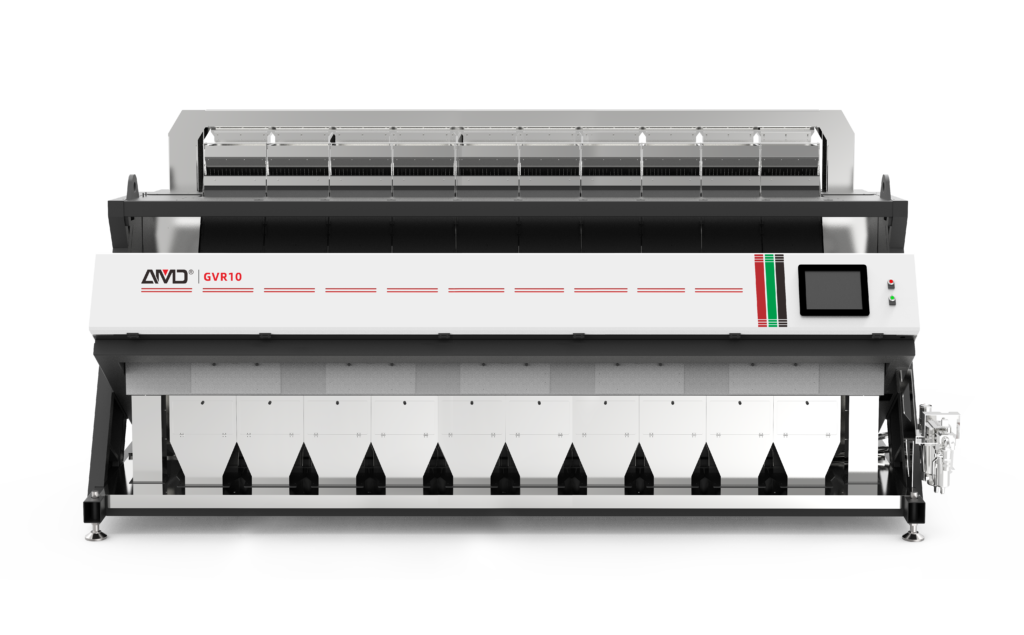
This is why flake sorting technology has become one of the most critical investments in modern recycling plants. Sensor-based flake color sorters can separate transparent PET, blue PET, green PET, and mixed-color flakes at high speed. Some systems combine visible light cameras with infrared identification to remove non-PET contaminants automatically.
For many processors, producing premium PET flakes with stable purity can already generate strong margins without the additional energy consumption required for pelletizing.
Why PET Pellets Often Command Higher Market Prices
PET pellets are produced by melting, filtering, extruding, and re-granulating recycled PET flakes into uniform plastic pellets. This additional processing stage increases consistency, improves handling performance, and creates a material that is easier for manufacturers to use directly in production.
Compared with flakes, PET pellets generally achieve:
- Higher market value
- Better export opportunities
- Improved consistency
- Lower moisture content
- More stable viscosity performance
- Stronger acceptance in food-grade applications
High-quality recycled PET pellets are commonly used in:
- Beverage bottle manufacturing
- Food packaging
- Injection molding
- Film production
- Engineering plastic compounds
The biggest advantage of PET pellets is standardization. Manufacturers prefer pellets because they feed more consistently into extrusion and injection systems, reducing downtime and improving production stability.
But pellet production also introduces additional costs. Recycling plants need:
- Extrusion systems
- Melt filtration units
- Degassing systems
- Pelletizers
- Crystallization equipment
- Higher electricity consumption
- More quality control procedures
This means profitability depends on maintaining extremely low contamination levels before extrusion. If flakes contain PVC, silicone, glue residue, or dark-colored plastics, the entire melt stream may be downgraded.
As a result, many successful pellet producers invest heavily in advanced optical sorting technology before extrusion. Modern PET polymer sorters can identify polymer types using near-infrared technology while simultaneously removing unwanted colors and aged flakes.
Without high-efficiency sorting systems, producing premium recycled PET pellets becomes extremely difficult.
PET Flakes vs. Pellets: Which One Delivers Better Profitability?
The answer depends on several operational factors rather than material price alone.
PET Flakes Usually Offer Better ROI for Smaller Plants
For small and mid-sized recycling operations, PET flakes often provide faster return on investment because:
- Initial equipment costs are lower.
- Energy consumption is lower.
- Production lines are simpler.
- Maintenance costs are reduced.
- Processing speed is higher.
Many regional recycling companies generate strong profits by focusing on high-purity flake production rather than full pelletizing.
If a plant can consistently achieve low contamination rates through effective bottle sorting and flake color sorting, PET flakes can remain highly competitive in export and domestic markets.
PET Pellets Often Generate Higher Long-Term Margins
Larger recycling companies usually move toward pellet production because pellets create higher-value downstream opportunities.
Although capital investment is higher, pellets can provide:
- Better price stability
- Higher-value contracts
- Access to food-grade applications
- Stronger relationships with packaging manufacturers
- Better export competitiveness
In regions where food-grade recycled PET demand is growing, pellet production can become significantly more profitable over time.
However, the profitability gap only exists when contamination is tightly controlled. Poor sorting directly reduces pellet quality and increases production losses.
This explains why advanced sorting technology has become a core profitability driver in modern PET recycling facilities.
How Plastic Color Sorting Technology Impacts Recycling Profitability
Sorting technology no longer functions as a simple quality control step. It now directly influences plant revenue, operating costs, and resale pricing.
Modern recycling facilities use multiple sorting stages to improve PET purity:
Bottle Sorting Before Washing
AI-driven bottle sorters and NIR systems separate:
- PET from HDPE and PP
- Transparent bottles from colored bottles
- Food-grade containers from mixed plastics
- PVC contaminants from PET streams
Removing contaminants early reduces washing costs and protects downstream equipment.
Flake Sorting After Crushing
Flake sorting systems identify:
- Black specks
- Colored PET flakes
- PVC fragments
- Aluminum particles
- Label residue
- Burnt flakes
- Aged or yellowed PET
This stage is especially important for high-purity PET flake exports and food-grade pellet production.
Pellet Inspection After Extrusion
Some recycling plants also install pellet sorting systems to remove:
- Black dots
- Yellow pellets
- Carbon contamination
- Inconsistent transparency
- Burnt material
Advanced pellet sorting machines use high-resolution cameras and optical sensors to improve final product consistency.
In competitive recycling markets, plants with higher purity rates usually secure better pricing and longer-term customer contracts.
Market Trends Driving Demand for Higher-Purity Recycled PET
The recycled PET market is becoming increasingly quality-focused. Brand owners, packaging companies, and regulators are demanding cleaner recycled materials with stable performance.
Several industry trends are accelerating this shift:
Food-Grade Recycling Expansion
More beverage companies are increasing recycled PET content in bottles. This requires extremely low contamination levels, pushing demand for high-purity flakes and pellets.
Export Standards Are Becoming Stricter
Many international buyers now reject shipments containing excessive PVC, labels, metals, or colored contamination. Recycling plants with advanced optical sorting systems gain a major advantage.
AI and NIR Sorting Adoption Is Increasing
Modern recycling lines increasingly combine:
- Visible light cameras
- Near-infrared sensors
- Deep-learning algorithms
- Multi-spectral imaging
- AI defect recognition
These technologies improve sorting precision while reducing labor dependency.
Profit Margins Depend More on Purity Than Volume
In the past, recycling plants focused mainly on throughput. Today, purity often matters more than processing volume because cleaner recycled PET commands substantially higher resale value.
FAQ
Are PET pellets always more profitable than PET flakes?
Not necessarily. PET pellets usually sell at higher prices, but they also require significantly higher investment, energy consumption, and operational complexity. Many recycling plants achieve excellent margins by producing high-purity PET flakes only.
Why is contamination such a major issue in PET recycling?
Even small amounts of PVC, labels, metals, or colored plastics can reduce recycled PET quality. In pellet production, contamination may damage the melt stream and lower the product grade.
What sorting equipment is commonly used in PET recycling plants?
Modern plants commonly use:
- AI bottle sorting machines.
- NIR polymer sorters.
- Flake color sorters.
- Optical sorting systems.
- Pellet inspection sorters.
These systems help improve purity and reduce manual sorting costs.
Can PET flakes be used directly without pelletizing?
Yes. Many manufacturers use high-quality PET flakes directly for fiber production, strapping materials, sheets, and certain industrial applications.
Why are food-grade recycled PET requirements stricter?
Food-grade applications require extremely low contamination levels to ensure safety, consistency, and regulatory compliance. This is why advanced sorting and purification technologies are essential.
Is optical sorting really necessary for recycling profitability?
In modern recycling markets, yes. Advanced sorting systems help improve purity, reduce rejected materials, increase resale value, and lower labor dependency, all of which directly impact profitability.
Summary
When comparing PET Flakes vs. Pellets, there is no universal winner. Both materials can be highly profitable under the right operational strategy.
PET flakes usually provide faster ROI, lower operating costs, and easier production management, making them attractive for small and medium recycling facilities. PET pellets, on the other hand, offer higher-value market opportunities and stronger long-term growth potential, especially in food-grade recycling applications.
The real profitability factor is no longer simply whether a plant produces flakes or pellets. The deciding factor is how effectively contaminants are removed throughout the recycling process.
Modern plastic color sorting systems, AI bottle sorters, NIR polymer sorters, and pellet inspection machines now play a direct role in determining product value, customer acceptance, and overall recycling profitability. Recycling plants that invest in high-purity sorting solutions are increasingly positioned to achieve stronger margins in the evolving post-consumer PET market.