PET recycling has become one of the most important segments of the Demand for high-quality recycled PET (rPET) continues to grow as beverage brands, packaging manufacturers, and regulators push for higher recycled content targets. However, producing premium PET flakes is far from simple.
Modern recycling facilities face increasing pressure to deliver cleaner material, reduce losses, and maintain profitability despite more complex waste streams. Contaminants, inconsistent feedstock quality, and rising throughput requirements can quickly reduce the value of recycled PET if not addressed effectively.
This article explores the five biggest challenges in PET flake sorting and explains how modern optical sorting technology helps recyclers overcome them.
1. Removing Contamination: PVC, Labels, and Metals
Contamination remains the single largest challenge in PET flake recycling. Even small amounts of unwanted materials can significantly reduce the value of recycled PET and create processing problems downstream.
Why Contamination Is a Problem
PET recycling streams commonly contain:
- PVC flakes
- PET bottle labels
- Aluminum fragments
- Metal particles
- Caps and closures made from PE or PP
- Foreign polymers such as ABS, PS, or PC
Among these contaminants, PVC is particularly problematic. A very small concentration of PVC can degrade an entire batch of recycled PET during extrusion, causing discoloration, reduced mechanical properties, and product rejection.
Metal contamination presents another challenge. Small aluminum or steel fragments can damage processing equipment and increase maintenance costs.
The Solution
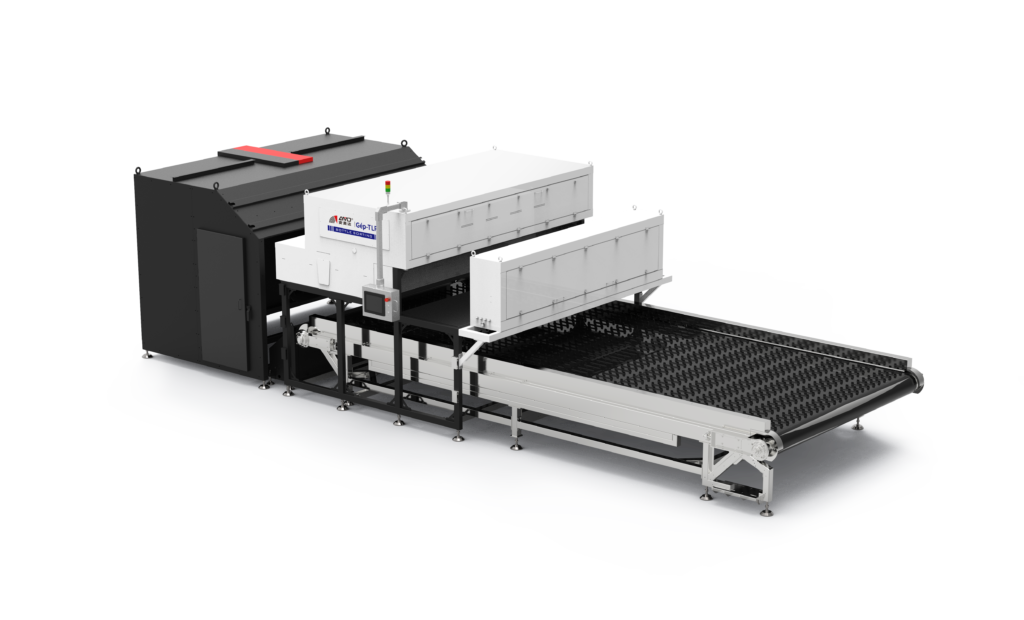
Modern optical sorting systems combine multiple sensor technologies to identify contaminants with high accuracy.
Near-infrared (NIR) sensors distinguish PET from other polymers based on their spectral signatures. High-resolution cameras detect visual differences in labels, caps, and foreign materials. Metal detection systems can remove conductive contaminants before they enter downstream equipment.
Advanced sorting systems can simultaneously identify:
- PVC in PET streams
- PE and PP contamination
- Label fragments
- Colored foreign plastics
- Metal particles
This multi-sensor approach allows recyclers to achieve significantly higher purity levels while reducing manual inspection requirements.
2. Managing Color Variance in PET Flakes
Color consistency is one of the most important quality requirements for recycled PET buyers. Unfortunately, post-consumer PET streams often contain a wide range of colors that must be separated efficiently.
Why Color Sorting Matters
PET flakes typically include:
- Clear PET
- Light blue PET
- Green PET
- Amber PET
- Mixed-color PET
For food-grade and bottle-to-bottle recycling applications, buyers often require highly consistent color fractions. Even small amounts of green or amber flakes mixed into a clear PET stream can lower material value.
Color variation becomes even more difficult when flakes have:
- Different surface textures
- Varying transparency
- Residual contamination
- Moisture on the surface
Traditional sorting methods often struggle to maintain consistency under these conditions.
The Solution
Modern optical sorters use high-resolution cameras and AI-driven image processing to analyze every flake in real time.
Advanced systems can distinguish subtle color differences and classify material into precise color categories. Some machines can simultaneously separate:
- Clear PET
- Blue PET
- Green PET
- Mixed-color PET
- Off-spec material
Machine learning algorithms continuously improve recognition accuracy by adapting to changing feedstock characteristics.
As a result, recyclers can produce higher-value color fractions and meet stricter customer specifications.
3. Meeting Increasing Throughput Demands
The volume of plastic waste entering recycling facilities continues to increase. To remain competitive, operators must process larger quantities of PET without sacrificing sorting quality.
Why Throughput Is a Challenge
Many recycling plants face pressure to:
- Increase daily production
- Reduce labor costs
- Minimize operational downtime
- Improve overall equipment effectiveness (OEE)
Higher throughput often creates a difficult trade-off. Faster processing speeds can reduce sorting accuracy if the technology cannot keep up with material flow.
When flakes overlap on the conveyor or move too quickly through the inspection zone, contaminants may escape detection.
The Solution
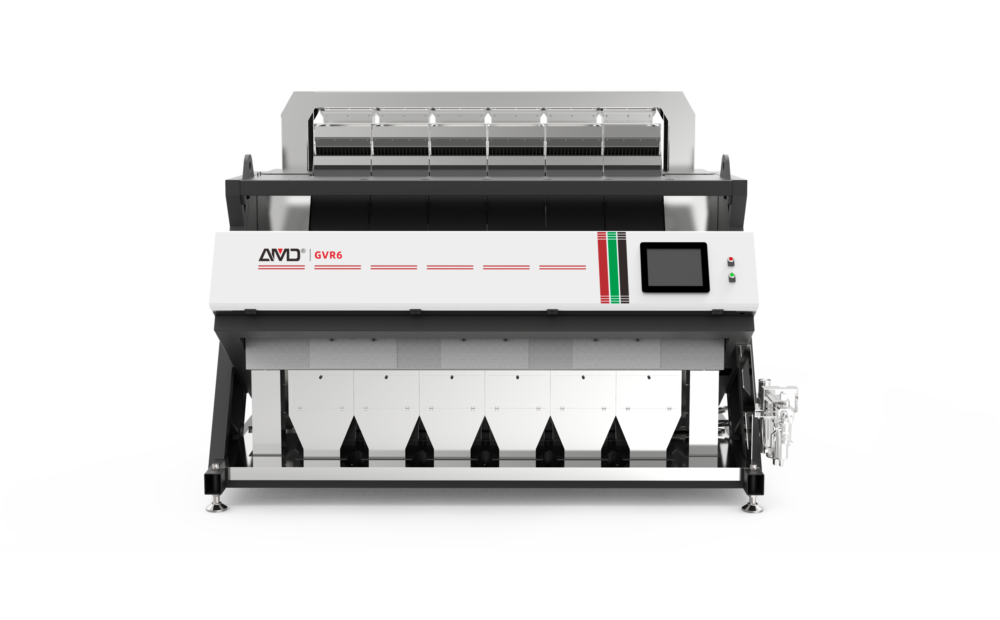
Modern optical sorting systems are designed specifically for high-capacity recycling environments.
Key improvements include:
- Faster image acquisition
- High-speed data processing
- More powerful ejection systems
- Wider sorting chutes
- Optimized material presentation
Today’s sorting platforms can inspect thousands of flakes per second while maintaining consistent detection performance.
Intelligent conveyor design also plays a critical role. Proper material distribution creates a single-layer flow, allowing sensors to inspect each particle individually.
By combining high-speed processing with precise material handling, recyclers can increase throughput without compromising purity.
4. Sorting Wet and Dirty PET Flakes
Not all PET flakes arrive at the sorting stage in ideal condition. Moisture, dirt, adhesives, and residual product contamination can make identification significantly more difficult.
Why Wet Material Creates Problems
Many washing lines leave residual moisture on PET flakes. Additionally, flakes may contain:
- Dirt
- Dust
- Glue residue
- Organic contamination
- Label adhesive remnants
These factors can interfere with sensor performance and increase false reject rates.
For example, moisture can alter the optical appearance of a flake, while dirt may partially obscure the polymer surface.
Without proper detection technology, valuable PET material may be mistakenly rejected.
The Solution
Modern optical sorters increasingly use multi-spectral imaging systems that analyze more than visible color alone.
By combining:
- Visible light cameras
- Near-infrared sensors
- UV technologies
- Advanced software algorithms
sorting systems can identify the actual polymer composition even when surface conditions are less than ideal.
AI-assisted recognition further improves performance by learning to distinguish contamination from temporary surface artifacts.
Some recycling facilities also install additional drying and conditioning stages before final sorting to maximize detection accuracy.
The result is more reliable sorting performance and improved material recovery rates.
5. Controlling Fine Particle Carry-Over
Fine particle contamination is often overlooked, yet it can have a significant impact on PET flake quality.
Why Fine Particles Matter
During grinding and washing, PET flakes generate dust and small fragments.
These fine particles may include:
- PVC dust
- Label fragments
- Mixed polymer fines
- Residual contaminants
Because of their small size, these particles are difficult to separate using conventional sorting methods.
Fine contaminants can accumulate in the final product and negatively affect:
- Extrusion performance
- Melt filtration
- Pellet quality
- Food-grade compliance
The Solution
Modern PET purification systems address fine particle carry-over through a combination of process optimization and precision sorting.
Advanced systems use:
- Improved air separation
- High-sensitivity detection sensors
- Enhanced ejection control
- Multi-stage sorting configurations
Some facilities deploy secondary and tertiary sorting passes specifically to target fine contaminants that escape earlier stages.
AI-based sorting software can also improve the identification of small particles by analyzing shape, reflectivity, and spectral characteristics.
The result is a cleaner final product with lower contamination levels and improved market value.
The Future of PET Flake Sorting
As recycled content requirements continue to rise worldwide, PET recyclers must deliver higher purity levels while processing increasingly challenging feedstock.
The industry’s most successful facilities are moving beyond basic color sorting and adopting intelligent sensor-based systems that combine optical imaging, NIR spectroscopy, AI algorithms, and automated ejection technologies. Modern recycling equipment increasingly integrates color sorting, polymer identification, and flake purification technologies into a complete processing solution for PET recycling lines.
By addressing contamination, color variance, throughput limitations, wet material challenges, and fine particle carry-over, recyclers can improve product quality, increase recovery rates, and maximize profitability.
Investing in advanced optical sorting technology is no longer simply a way to improve efficiency—it has become a critical requirement for producing the high-quality recycled PET that today’s market demands.