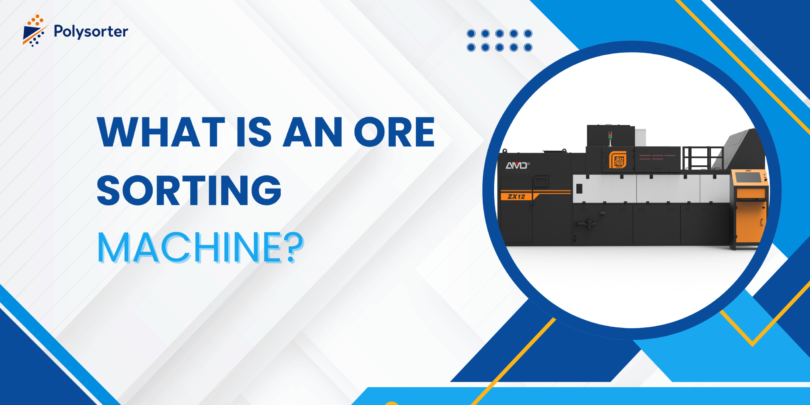
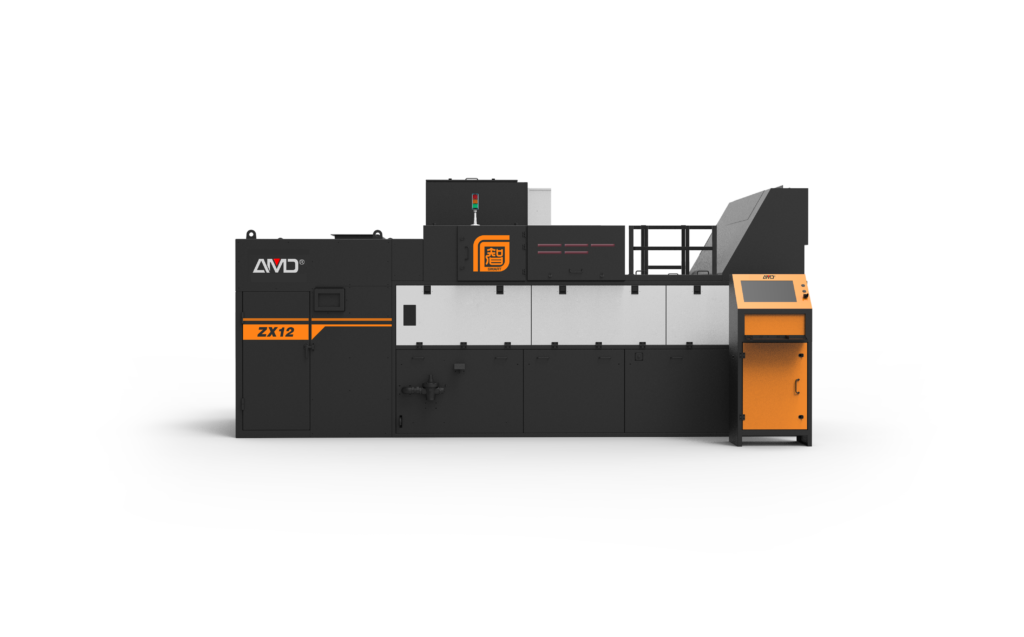
An ore sorting machine is an advanced system used in mining to separate valuable minerals from waste rock based on their physical and chemical properties. Instead of processing all mined material, it allows operators to remove unwanted material early, improving efficiency across the entire production line.
By using technologies such as optical sensors, X-ray detection, and artificial intelligence, modern ore sorting machines can identify differences in color, density, and composition in real time. This makes them an essential tool for operations dealing with low-grade ores, complex mineral structures, or rising processing costs.
Today, ore sorting is widely applied in both metallic and non-metallic mining, including gold, copper, iron, fluorite, and phosphate processing.
How Does an Ore Sorting Machine Work?
To understand the value of an ore sorting machine, it helps to look at how the process works step by step.
Feeding and Material Distribution
Crushed ore is evenly fed into the system through a vibration-based feeder, ensuring consistent material flow and accurate detection.
High-Speed Detection
Each particle passes through a detection zone where sensors analyze its characteristics. Depending on the system, this may include:
- Color recognition
- Density analysis
- Structural composition identification
Advanced systems use AI algorithms to interpret this data instantly, even when dealing with complex or mixed materials.
Intelligent Separation
Once the material is identified, high-speed air jets or mechanical systems separate valuable ore from waste. This process happens continuously and at high throughput.
Material Output
The separated materials are discharged into different streams, typically categorized as concentrate and waste, ready for further processing or disposal.
Types of Ore Sorting Machines
Not all ore sorting machines are the same. Choosing the right technology depends on the material you are processing.
Optical Ore Sorting Machines
These systems rely on color and surface characteristics. They are suitable for relatively simple materials where visual differences are clear.
X-Ray (XRT) Sorting Machines
XRT technology detects density and atomic composition, making it highly effective for metallic ores and situations where visual differences are minimal.
AI-Based Multi-Sensor Systems
More advanced machines combine multiple detection methods with artificial intelligence. These systems can handle complex ores, fluctuating feed conditions, and higher accuracy requirements.
Key Benefits of Using an Ore Sorting Machine
Higher Ore Grade
Removing waste early ensures that only valuable material continues through the process, increasing the overall grade of the final product.
Lower Processing Costs
By reducing the volume of material entering grinding and flotation stages, companies can significantly cut energy consumption, reagent usage, and equipment wear.
Increased Recovery Rates
Even materials previously considered waste can be reprocessed, allowing for better utilization of resources.
Improved Sustainability
Less waste, lower energy consumption, and reduced tailings all contribute to more environmentally responsible mining operations.
Where Ore Sorting Machines Are Used
Ore sorting machines are flexible and can be applied in different parts of the mining process.
They are commonly used for:
- Early-stage waste removal before grinding
- Upgrading low-grade ores
- Recovering valuable minerals from tailings
This flexibility makes them suitable for both new mining projects and upgrades to existing processing lines.
How to Choose the Right Ore Sorting Machine
Selecting the right equipment is often the biggest challenge for buyers. Here are the key factors to consider:
1. Material Type
Different ores require different detection technologies. Metallic ores typically benefit from XRT systems, while non-metallic materials may work well with optical solutions.
2. Particle Size Range
Most sorting systems operate within a specific size range. Ensuring your material fits this range is critical for achieving stable performance.
3. Processing Capacity
Throughput requirements vary widely. From small-scale operations to large industrial plants, capacity must match your production goals.
4. Sorting Accuracy
Higher accuracy means better separation results. Multi-sensor and AI-driven systems generally deliver more consistent performance.
5. Project Objectives
Whether your goal is cost reduction, grade improvement, or resource recovery, the machine should be selected based on your primary objective.
If you’re evaluating different options, working with a supplier that offers material testing and customized solutions can make the decision much easier.
Why Ore Sorting Machines Are Becoming Essential
As mining shifts toward lower-grade resources and higher operational costs, efficiency is no longer optional—it’s critical.
Ore sorting machines help mining companies:
- Reduce unnecessary processing.
- Improve profitability.
- Extend the life of mining operations.
They are increasingly seen not just as equipment, but as a strategic investment in smarter mining.
FAQ About Ore Sorting Machines
What is the main function of an ore sorting machine?
It separates valuable minerals from waste material to improve processing efficiency and reduce costs.
Can ore sorting machines handle complex ores?
Yes. Advanced systems using AI and multi-sensor technology are specifically designed for complex and mixed materials.
Is ore sorting suitable for low-grade ore?
Absolutely. In fact, it is one of the most effective ways to upgrade low-grade ore before further processing.
Where should an ore sorting machine be installed?
It is typically installed after crushing and before grinding or flotation, but the exact position depends on your process design.
How do I know which machine is right for my project?
The best approach is to test your material and evaluate performance based on your specific requirements, including capacity, accuracy, and ROI.
Final Thoughts
An ore sorting machine can transform how a mining operation runs—cutting costs, improving efficiency, and unlocking value from materials that would otherwise be wasted.
If you are exploring ways to optimize your processing line or improve resource recovery, investing in the right sorting solution is a step worth considering. Working with an experienced supplier who understands both technology and real-world applications can make all the difference.