In modern recycling operations, the plastic bottle sorting machine has become a critical piece of equipment for improving material purity, processing efficiency, and overall profitability. Whether you are handling post-consumer PET bottles, mixed plastic streams, or high-value recycling outputs, the quality of sorting directly determines the value of your final product.
However, the market offers a wide range of sorting solutions with different technologies and performance levels. For many procurement teams, choosing the right machine can be challenging.
This guide explains what a plastic bottle sorting machine is, how it works, where it is used, and—most importantly—how to choose the right solution for your needs.
What Is a Plastic Bottle Sorting Machine?
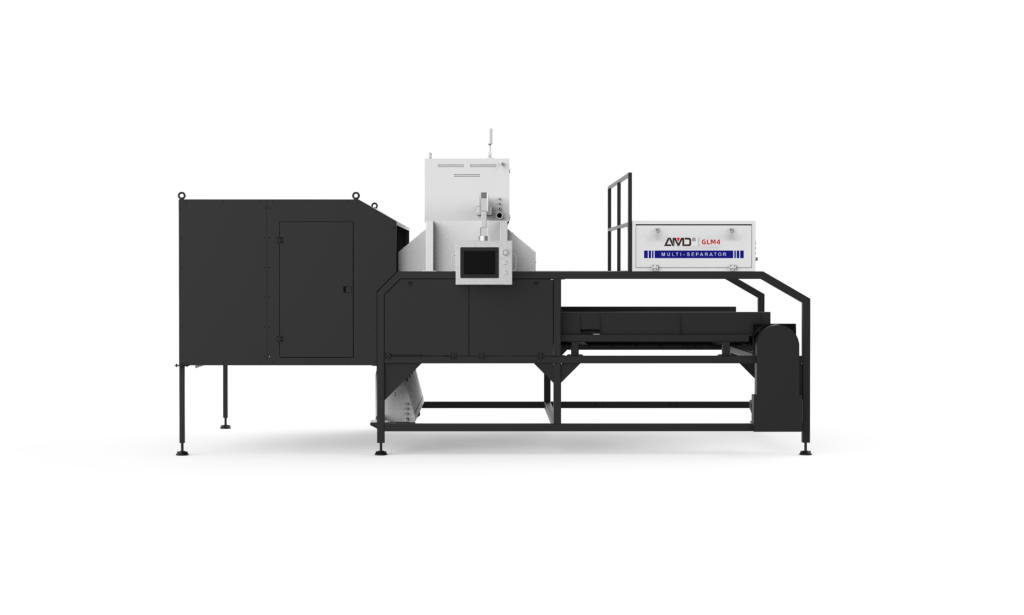
A plastic bottle sorting machine is an automated system designed to identify and separate plastic bottles based on material type, color, and contamination level. It is commonly used in recycling facilities to process mixed plastic waste and improve the consistency of recovered materials.
Its main functions include:
- Separating different plastic materials such as PET, HDPE, and PP
- Sorting bottles by color (clear, blue, green, etc.)
- Removing contaminants such as PVC, metals, and non-plastic items
Unlike manual sorting, which is labor-intensive and inconsistent, modern sorting machines deliver high-speed, high-accuracy results, making them essential for large-scale recycling operations.
How Does a Plastic Bottle Sorting Machine Work?
Understanding how the system works is key to making the right purchasing decision.
A typical plastic bottle sorting machine combines multiple sensing and processing technologies:
1. Optical Detection (Visible Light)
High-speed cameras capture the color and shape of each bottle, allowing the system to classify materials based on visual characteristics.
2. Near-Infrared (NIR) Identification
NIR sensors analyze the molecular structure of plastics, making it possible to distinguish between materials such as PET and PVC—even if they look similar.
3. AI-Based Recognition
Advanced systems use machine learning algorithms to identify complex or contaminated items, including bottles with labels, dirt, or mixed materials.
4. High-Speed Ejection System
Once a bottle is identified, targeted air jets separate it from the main material stream in milliseconds.
Together, these technologies enable fast, accurate, and continuous sorting, even under high-throughput conditions.
Where Are Plastic Bottle Sorting Machines Used?
Plastic bottle sorting machines are widely used across different stages of recycling and waste management processes.
1. Pre-Sorting of Mixed Bottles
At the early stage of recycling, machines help separate different bottle types and remove unwanted materials before further processing.
2. High-Purity Material Production
For applications such as food-grade PET recycling, precise sorting is essential to meet strict quality standards.
3. Contaminant Removal
Sorting systems play a crucial role in removing problematic materials like PVC, which can significantly affect the quality of recycled plastics.
4. Integration into Recycling Lines
These machines are typically installed before or after crushing and washing systems, depending on the process design.
In short, they act as a critical control point for material quality throughout the recycling workflow.
How to Choose the Right Plastic Bottle Sorting Machine
For buyers, selecting the right equipment is not just about specifications—it’s about matching the machine to your actual production needs.
Here are the key factors to consider:
1. Sorting Objective
Define what you need to achieve:
- Color sorting only → basic optical system.
- Material separation → requires NIR technology.
- High-purity output → requires AI and multi-sensor systems.
2. Processing Capacity
Ensure the machine can handle your throughput requirements. If the sorting capacity is too low, it will become a bottleneck in your production line.
3. Sorting Accuracy
Higher accuracy leads to better material quality and higher resale value. This is especially important for export-grade or food-grade recycled plastics.
4. Adaptability
Modern systems with AI capabilities can adapt to different material conditions and improve performance over time.
5. Integration with Existing Lines
Make sure the machine can be seamlessly integrated with your feeding, crushing, and washing systems.
Choosing the right configuration will help you maximize efficiency while minimizing operational costs.
Industry Trends in Plastic Bottle Sorting Technology
The plastic recycling industry is evolving rapidly, and sorting technology is advancing in several key directions:
1. AI-Driven Sorting
Machine learning is enabling smarter and more flexible recognition of complex materials.
2. Multi-Sensor Integration
Combining optical, infrared, and other sensing technologies improves detection accuracy.
3. Automation and Efficiency
Modern systems are designed for continuous, high-speed operation with minimal manual intervention.
For long-term investment, choosing equipment aligned with these trends will ensure better performance and future scalability.
FAQ About Plastic Bottle Sorting Machines
Q1: What materials can a plastic bottle sorting machine handle?
It can sort common plastics such as PET, HDPE, and PP, and remove contaminants like PVC and metals.
Q2: Can it completely remove PVC contamination?
High-end systems equipped with NIR and AI technology can effectively detect and remove PVC, significantly improving material purity.
Q3: Is the machine used alone or in a full production line?
It is typically part of a complete recycling system and works alongside crushing, washing, and conveying equipment.
Q4: How do I choose the right capacity?
Select a machine that matches or slightly exceeds your production line capacity to avoid bottlenecks.
Q5: Why do prices vary so much?
Price differences are mainly due to technology level, sensor configuration, sorting accuracy, and system stability.
Final Thoughts
A plastic bottle sorting machine is not just another piece of equipment—it is the foundation of quality control in any recycling operation. The right system can significantly improve material purity, reduce labor costs, and increase overall profitability.
If you are planning to invest in one, focus on your actual sorting goals, material conditions, and long-term production plans. A well-matched solution will deliver far greater value than simply choosing the lowest price option.
And if you’re still evaluating options, taking the time to compare technologies and discuss your requirements with experienced suppliers can make all the difference in your final decision.