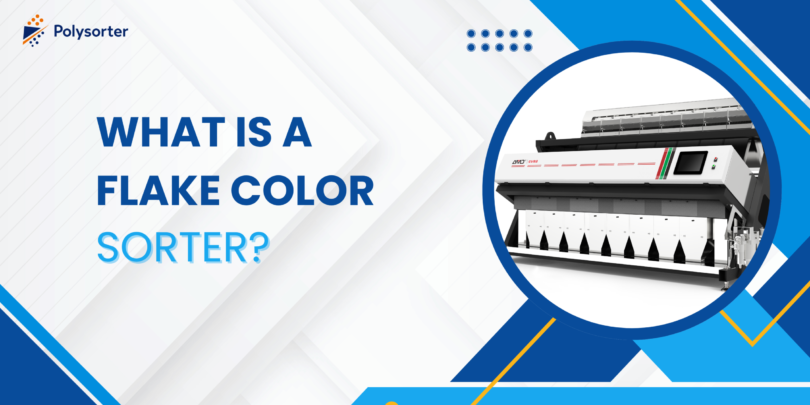
Plastic recycling has become far more demanding than it was a decade ago. Buyers no longer care only about processing capacity — they care about purity, consistency, and the resale value of recycled materials. That is why the Flake Color Sorter has become one of the most important machines in modern recycling plants.
A flake color sorter is a high-speed optical sorting machine designed to separate plastic flakes based on color, transparency, material type, and contamination level. These machines are widely used in PET bottle recycling lines, HDPE recycling systems, and engineering plastic recovery plants. By removing unwanted colors and foreign materials automatically, recycling facilities can produce cleaner flakes with higher commercial value.
Today’s recycling market is highly competitive. Buyers looking for a Flake Color Sorter often discover that many machines appear similar at first glance, yet deliver completely different results during actual production. Understanding how these systems work — and what truly matters when choosing one — is essential before making an investment.
How Does a Flake Color Sorter Work?
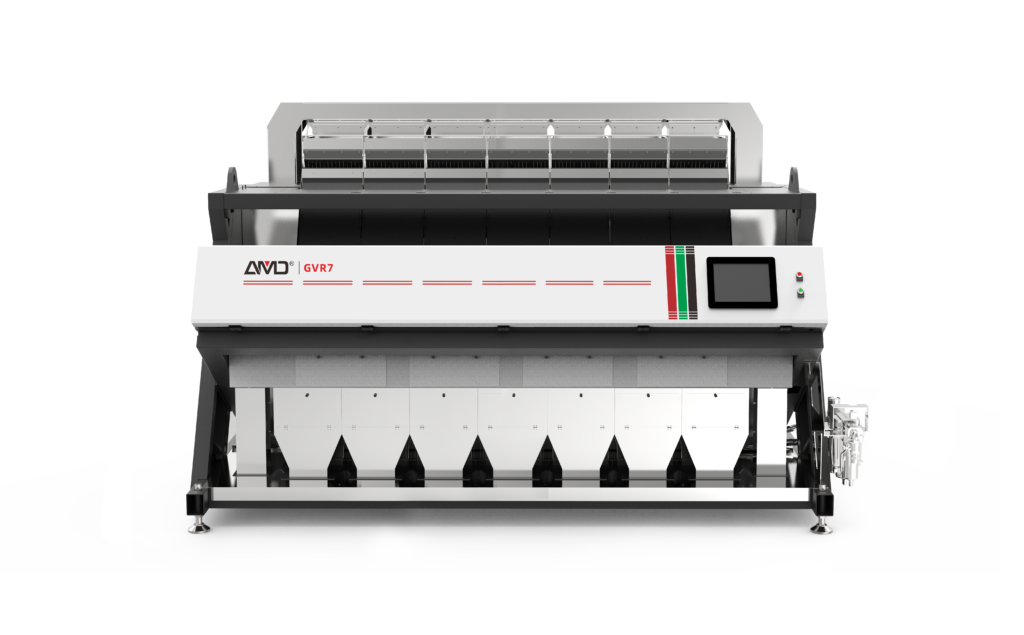
A Flake Color Sorter uses optical recognition technology to inspect plastic flakes as they move through the machine at high speed. The system scans every particle individually and identifies unwanted material based on preset parameters such as color, brightness, transparency, or polymer type.
Once contamination is detected, high-speed ejector valves remove the rejected flakes using compressed air in milliseconds. The accepted material continues through the production line while impurities are separated automatically.
Modern sorting systems usually combine several technologies together, including:
- Visible-light optical cameras
- AI-based image analysis
- Near-infrared (NIR) polymer detection
- Deep-learning recognition systems
- High-frequency air ejectors
- Multi-spectrum inspection technology
This allows the machine to perform far more than simple color separation. Advanced systems can distinguish between materials that look visually similar but belong to different polymer categories.
For example, a high-end Flake Color Sorter may separate:
- Clear PET flakes from blue PET flakes
- Green PET from mixed-color PET
- PVC contamination from PET streams
- PP flakes from PE flakes
- Burnt or aged flakes from clean material
- Foreign particles such as labels or metals
Because the inspection process happens continuously and automatically, recycling plants can maintain stable sorting quality even during long production shifts.
Why Flake Color Sorting Matters in Plastic Recycling
Many recycling businesses underestimate how much contamination affects profitability. In reality, even a small amount of mixed-color material or foreign polymer contamination can reduce the value of recycled plastics significantly.
For PET recycling, especially, purity is critical. Manufacturers producing food-grade recycled PET require extremely clean flakes. If PVC contamination enters downstream extrusion systems, it can damage equipment and lower final product quality.
This is why flake sorting technology has become standard equipment in many advanced recycling facilities.
Higher Material Purity
A Flake Color Sorter removes unwanted colors and contaminants with far greater consistency than manual labor. Cleaner flakes lead directly to higher resale prices and improved downstream processing quality.
Lower Labor Costs
Manual sorting requires large workforces and still produces inconsistent results. Automated sorting systems reduce dependence on labor while improving efficiency.
Stable Production Performance
Human sorting quality changes throughout the day due to fatigue and operator experience. Optical sorting systems maintain consistent performance during continuous operation.
Better Product Value
High-purity PET flakes, HDPE flakes, and engineering plastics can command significantly better market prices than mixed or contaminated materials.
Improved Recycling Efficiency
Automated sorting increases processing speed and reduces unnecessary material loss, helping facilities improve overall production output.
What Features Should Buyers Look for in a Flake Color Sorter?
Not all sorting machines perform equally. Two systems may look nearly identical externally while operating very differently in real production environments. Buyers should focus on actual sorting capability rather than appearance alone.
High-Resolution Optical Cameras
The camera system is one of the most important components inside a Flake Color Sorter. Higher-resolution imaging improves the machine’s ability to identify small contaminants and subtle color differences.
This becomes especially important when sorting:
- Transparent PET flakes
- Light blue PET
- Aged recycled plastics
- Small-sized crushed flakes
Poor imaging systems often struggle with difficult materials, resulting in lower purity levels.
AI and Deep-Learning Recognition
Modern AI technology allows sorting systems to improve recognition accuracy for irregular materials. This is particularly useful when processing mixed plastics with inconsistent shapes, dirt levels, or surface conditions.
Deep-learning systems can identify:
- Slight color variations
- Darkened flakes
- Oxidized plastics
- Aged bottle materials
- Complex mixed streams
Compared with traditional optical sorting, AI-based recognition improves stability in challenging recycling environments.
NIR Polymer Detection Technology
Near-infrared technology allows the machine to identify polymer types rather than relying only on visible colors.
This enables accurate separation of:
- PET
- PVC
- PP
- PE
- ABS
- PS
- PC
- PMMA
For recycling plants processing mixed plastic streams, NIR technology is often essential for achieving high purity targets.
High-Speed Ejector Valves
Ejectors are responsible for removing rejected material from the production stream. High-frequency valves improve sorting speed while maintaining accuracy.
Low-quality ejector systems may cause:
- False rejection
- Material loss
- Reduced throughput
- Increased maintenance frequency
Reliable ejector performance becomes especially important in high-capacity recycling lines operating 24 hours per day.
Easy Maintenance and Operational Stability
A sorting machine should not only perform well during demonstrations — it must also remain stable during long-term industrial use.
Buyers should consider:
- Cleaning convenience
- Spare parts availability
- Valve maintenance access
- Software usability
- Technical support
- Energy consumption
Stable operation is often more valuable than extremely high theoretical sorting accuracy.
Common Applications of Flake Color Sorters
Flake sorting systems are used across many different recycling industries because purity requirements continue rising worldwide.
PET Bottle Recycling
This is the most common application. The sorter removes:
- Colored PET
- PVC contamination
- Labels
- Foreign plastics
- Burnt flakes
- Dark materials
Clear PET purification is especially important for bottle-to-bottle recycling.
HDPE and PP Recycling
Color sorting improves consistency for recycled HDPE and PP materials used in injection molding and extrusion applications.
Engineering Plastic Recovery
Advanced sorting systems can process engineering plastics, including:
- ABS
- PS
- PC
- PA
- PMMA
These materials typically require higher sorting precision because of their commercial value.
Mixed Plastic Recycling
Facilities processing municipal waste or post-consumer plastics often use optical sorting combined with NIR technology to separate multiple polymer types automatically.
Aged Plastic Flake Sorting
Some recycling plants process weathered or aged plastics with oxidation and discoloration. AI-enhanced sorting systems improve recognition stability under these difficult conditions.
How to Choose the Right Flake Color Sorter Supplier
Choosing the right supplier is just as important as choosing the right machine.
Many buyers focus mainly on price, but long-term performance depends heavily on software optimization, sorting algorithms, technical support, and machine stability.
Before purchasing a Flake Color Sorter, buyers should ask:
- Can the machine handle irregular flakes?
- Does it support NIR polymer sorting?
- What purity levels are achievable in real production?
- How stable is the system during continuous operation?
- Is technical support available quickly?
- Can the machine integrate into existing recycling lines?
- How easy is maintenance?
It is also important to request real application videos and customer production cases instead of relying only on laboratory demonstrations.
An experienced supplier should understand both sorting technology and actual recycling production challenges.
FAQ About Flake Color Sorters
What is a Flake Color Sorter used for?
A Flake Color Sorter is used to separate plastic flakes by color, transparency, and material type in recycling production lines.
Can a flake sorter remove PVC from PET?
Yes. Advanced systems equipped with NIR technology can identify and remove PVC contamination from PET flakes.
What materials can be processed?
Most systems can process PET, HDPE, PP, ABS, PS, PE, PC, PMMA, and other recycled plastic materials.
Is AI technology important in flake sorting?
Yes. AI-based recognition improves sorting accuracy for irregular, aged, or mixed-color plastic flakes.
Where is the machine installed in a recycling line?
The machine is usually installed after crushing, washing, and drying stages, before pelletizing or packaging.
What affects sorting accuracy?
Sorting accuracy depends on:
- Camera quality
- Lighting stability
- Material cleanliness
- Software algorithms
- Conveyor stability
- Ejector response speed
Final Thoughts
As recycling standards continue rising globally, flake sorting technology has become a key part of modern plastic recycling operations. A high-quality Flake Color Sorter helps recycling facilities improve purity, reduce labor costs, and increase the value of recycled materials.
For buyers comparing different sorting systems, the most important factors are not only sorting speed or appearance, but long-term operational stability, intelligent recognition capability, and real-world application performance.
The right sorting solution can help recycling businesses produce cleaner flakes, improve production efficiency, and remain competitive in a rapidly growing recycling industry.