The recycling industry is evolving rapidly, and one of the most important technologies driving that change is the AI-Driven Bottle Sorting Machine. As global demand for recycled plastics continues to grow, recycling plants are under increasing pressure to improve purity rates, reduce contamination, and process larger volumes of waste efficiently.
Traditional manual sorting and basic optical sorting systems are no longer enough for modern recycling operations. Mixed plastic waste streams now contain bottles with different colors, materials, labels, shapes, and contamination levels. To solve these challenges, advanced sorting systems use artificial intelligence, optical imaging, infrared recognition, and automated detection technology to separate plastic bottles with much higher precision.
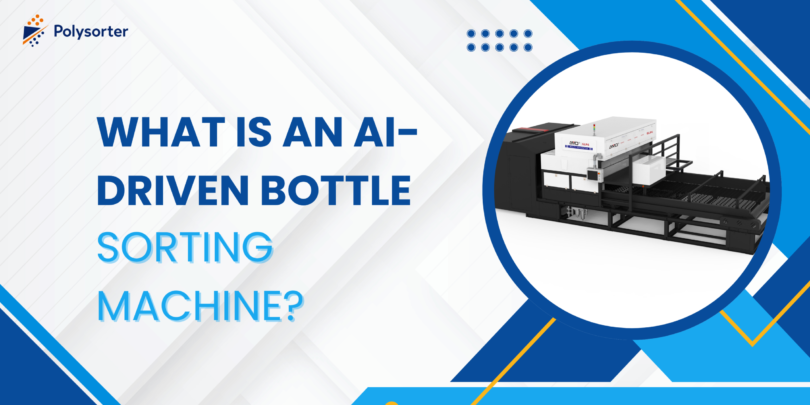
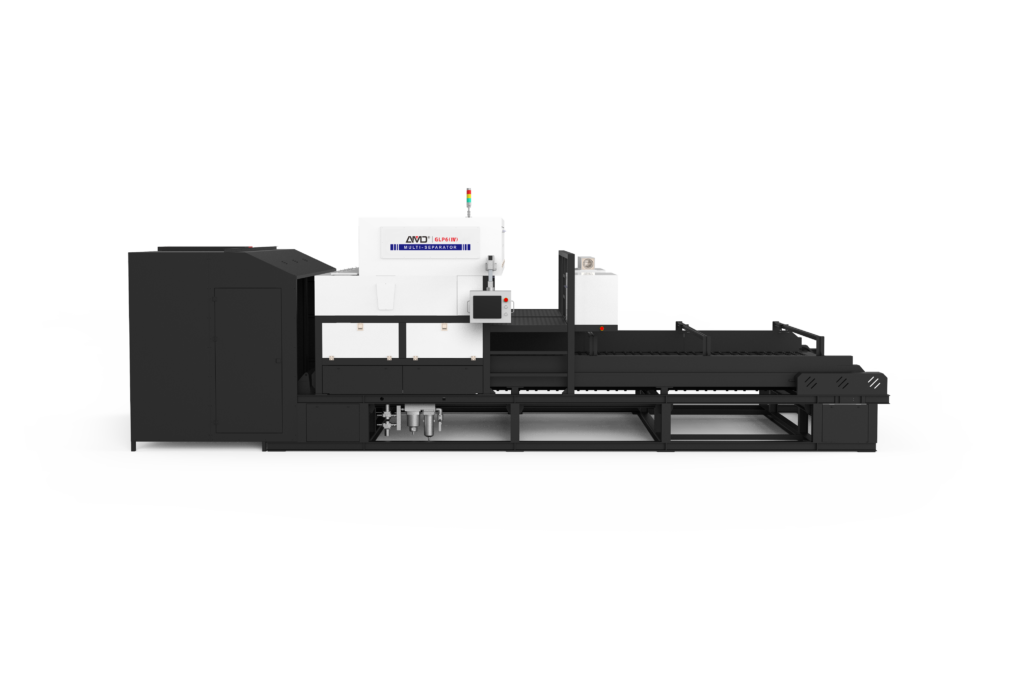
An AI-Driven Bottle Sorting Machine is designed to identify, classify, and separate plastic bottles automatically using intelligent recognition systems. These machines are widely used in PET recycling plants, municipal recycling centers, beverage bottle recovery lines, and industrial plastic processing facilities.
For buyers searching for reliable recycling equipment, understanding how AI bottle sorting technology works can make the difference between investing in a machine that improves long-term profitability and purchasing a system that struggles under real production conditions.
How Does an AI-Driven Bottle Sorting Machine Work?
An AI-Driven Bottle Sorting Machine uses a combination of sensors, cameras, algorithms, and high-speed air ejection systems to identify and separate different bottles in real time.
The sorting process usually starts with a feeding conveyor that distributes bottles evenly across the scanning area. Once the bottles enter the detection zone, multiple sensor systems analyze each item individually.
The machine can recognize:
- Bottle color
- Polymer type
- Transparency level
- Bottle shape
- Surface contamination
- Labels and caps
- Foreign materials
- Moisture differences
Artificial intelligence plays a critical role during the recognition stage. Instead of relying only on fixed color thresholds, AI systems analyze large amounts of visual data and identify patterns automatically. This allows the machine to distinguish between materials that may look nearly identical to conventional optical sorters.
After the identification process, high-speed ejector valves remove unwanted materials from the product stream within milliseconds. The result is a cleaner and more consistent output material.
Modern AI bottle sorting systems are commonly used to separate:
- Clear PET bottles
- Blue and green PET bottles
- PVC contamination
- HDPE containers
- PP plastic bottles
- Opaque PET
- Food-grade and non-food-grade plastics
This level of sorting precision is especially important for recycling facilities producing high-quality recycled flakes or food-grade recycled plastic materials.
Why AI Technology Is Important in Bottle Sorting
Many recycling facilities still rely on older sorting technologies that use standard optical cameras or manual workers. While these systems can perform basic sorting tasks, they often struggle with complex mixed plastic waste streams.
AI technology improves bottle sorting performance in several key areas.
Higher Sorting Accuracy
One of the biggest advantages of AI-driven sorting is the ability to recognize subtle differences between plastics.
Traditional sorting systems may misidentify bottles when:
- Colors are too similar.
- Bottles are dirty.
- Labels cover the surface.
- Lighting conditions change.
- Materials overlap on the conveyor.
AI algorithms analyze multiple characteristics simultaneously, allowing the system to achieve much higher recognition accuracy.
Higher accuracy leads to:
- Improved PET purity
- Reduced contamination
- Lower material loss
- Better recycled material value
Faster Processing Speed
Modern recycling plants require continuous high-capacity operation. AI-driven systems can process large volumes of bottles quickly while maintaining stable sorting performance.
Because the sorting process is fully automated, recycling facilities can significantly reduce dependence on manual labor.
Better Adaptability to Mixed Waste
Bottle waste streams vary from one recycling source to another. Municipal waste, industrial waste, and beverage bottle collections all contain different contamination levels and bottle types.
AI systems can adapt to changing materials more effectively than traditional sorters. Advanced systems can even optimize recognition models over time based on operational data.
Lower Long-Term Operating Costs
Although intelligent sorting systems often require higher initial investment, they can reduce operating costs over time by:
- Lowering labor requirements
- Improving recovery rates
- Reducing rejected materials
- Minimizing downtime
- Increasing production stability
For medium and large recycling facilities, these efficiency improvements can have a major impact on profitability.
Key Features of a High-Quality AI-Driven Bottle Sorting Machine
Not all sorting systems offer the same performance. Buyers should focus on the machine’s actual technical capabilities rather than only comparing prices.
Multi-Sensor Recognition Technology
Advanced bottle sorting systems often combine several detection technologies together, including:
- Visible light cameras
- Near-infrared (NIR) sensors
- UV detection systems
- Hyperspectral imaging
- Deep-learning visual recognition
Multi-sensor systems provide better sorting accuracy for difficult materials and contaminated plastics.
Intelligent Software System
The software is the “brain” of the sorting machine. A high-quality AI system should provide:
- Fast image processing
- Stable recognition performance
- Flexible sorting settings
- Real-time monitoring
- Easy parameter adjustment
Efficient software helps operators optimize sorting performance for different materials.
High-Speed Ejector Valves
Precise air ejection is essential for stable sorting performance. High-frequency ejector systems improve rejection accuracy while reducing good material loss.
Poor ejector performance can reduce sorting purity even if the sensor system is highly advanced.
Stable Material Feeding
Uniform bottle distribution is critical for accurate detection. A well-designed feeding system helps prevent:
- Material overlap
- Conveyor instability
- Uneven flow rates
- Recognition errors
Stable feeding improves both throughput and sorting precision.
Industrial-Grade Construction
Bottle recycling environments can be dusty, humid, and demanding. Industrial-grade construction improves:
- Machine stability
- Long-term durability
- Maintenance efficiency
- Operational reliability
For recycling plants operating continuously, equipment durability is extremely important.
Common Applications of AI-Driven Bottle Sorting Machines
AI-powered bottle sorting systems are now widely used across the recycling industry.
PET Bottle Recycling
PET recycling is one of the largest applications for AI sorting technology. The machine helps separate:
- Transparent PET
- Light blue PET
- Green PET
- Oil bottles
- PVC contaminants
- Opaque bottles
High-purity PET flakes are essential for producing high-quality recycled pellets.
Municipal Waste Recycling
Municipal recycling facilities process highly mixed waste streams. AI sorting technology improves recovery rates by automatically identifying valuable recyclable plastics.
Beverage Bottle Recovery
Bottle-to-bottle recycling requires extremely strict contamination control. Intelligent sorting systems help recycling plants achieve food-grade recycling standards.
Plastic Reprocessing Plants
Facilities processing HDPE, PP, and engineering plastics use AI sorting systems to improve polymer separation and material consistency.
Waste Management Projects
Governments and environmental programs increasingly invest in intelligent sorting systems to improve recycling efficiency and reduce landfill waste.
How to Choose the Right AI-Driven Bottle Sorting Machine
Choosing the right machine depends on production goals, material types, and operational requirements.
Before purchasing, buyers should evaluate several important factors.
Material Composition
Different recycling lines process different materials. Some facilities focus mainly on PET bottles, while others handle mixed plastics or engineering polymers.
The sorting system should match the target application.
Required Purity Standards
Food-grade PET recycling requires significantly higher purity levels than standard industrial recycling.
Buyers should confirm:
- Sorting accuracy
- Contamination rates
- Recovery efficiency
- Performance stability
Production Capacity
The machine’s throughput capacity should match the overall recycling line. A sorting bottleneck can reduce the efficiency of the entire plant.
Sensor Configuration
Different materials require different sensor technologies. Multi-sensor systems often provide better long-term flexibility.
Technical Support and Maintenance
Reliable after-sales service is critical for industrial equipment.
Buyers should evaluate:
- Spare parts availability
- Technical response time
- Remote support capability
- Operator training services
Future Expansion Capability
Many recycling plants expand their operations over time. Choosing a scalable sorting platform can reduce future upgrade costs.
FAQs
What plastics can an AI-Driven Bottle Sorting Machine identify?
Most systems can identify PET, PVC, HDPE, PP, PE, PS, and other common plastics. Advanced systems can also recognize color variations and contamination types.
Is AI sorting more accurate than traditional optical sorting?
Yes. AI systems analyze multiple visual and material characteristics simultaneously, allowing much higher recognition accuracy than conventional color-only sorters.
Can the machine process dirty or labeled bottles?
Yes. Modern systems are designed to process bottles with labels, light contamination, or residual moisture. However, proper washing improves overall sorting efficiency.
Why is NIR technology important in bottle sorting?
NIR technology identifies plastic materials based on polymer composition rather than only appearance. This significantly improves sorting precision for mixed plastics.
Are AI sorting machines suitable for small recycling facilities?
Yes. Compact systems are available for smaller operations, while large-scale systems are designed for industrial recycling plants with high throughput requirements.
What is the biggest advantage of AI-driven sorting?
The biggest advantage is the combination of high accuracy, automation, adaptability, and operational efficiency, especially when processing complex mixed plastic waste streams.
Summary
The AI-Driven Bottle Sorting Machine has become one of the most important technologies in modern plastic recycling. As recycling standards continue to rise, intelligent sorting systems help facilities improve purity, reduce contamination, increase recovery efficiency, and lower operating costs.
Compared with traditional sorting methods, AI-powered systems provide greater flexibility and more stable long-term performance in demanding recycling environments.
For recycling companies planning to improve product quality and production efficiency, investing in advanced AI sorting technology is increasingly becoming a strategic decision rather than simply an equipment upgrade.