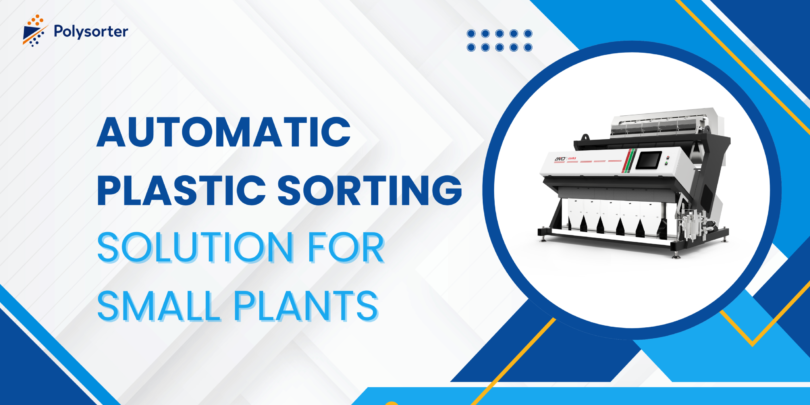
Small and medium-sized recycling plants are under growing pressure to improve material purity, reduce labor costs, and increase processing efficiency. At the same time, buyers of recycled plastics expect cleaner PET flakes, better polymer separation, and more consistent output quality. This is why more recycling facilities are investing in an Automatic Plastic Sorting Solution for Small Plants instead of relying entirely on manual sorting.
For many operators, however, choosing the right plastic sorting system is not easy. Some machines are designed for large industrial recycling centers and are oversized for smaller facilities. Others may offer low prices but struggle with mixed plastics, color contamination, or unstable throughput. A small plant needs equipment that balances sorting accuracy, installation space, operating cost, and long-term scalability.
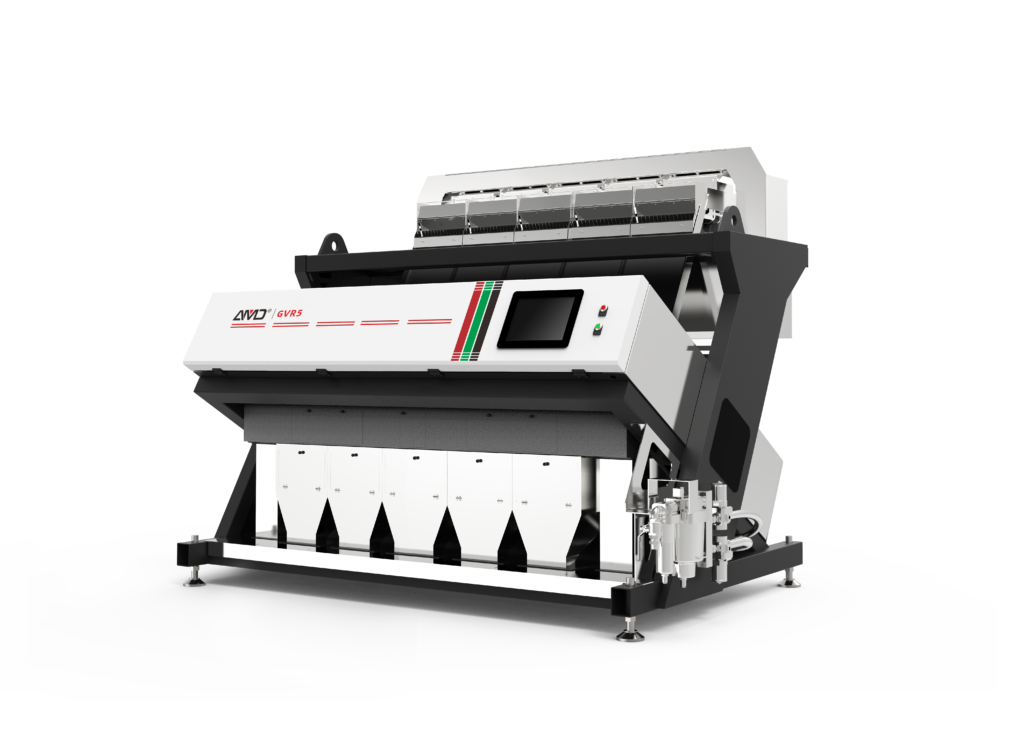
Modern automatic plastic sorting systems now combine optical detection, AI recognition, high-speed ejectors, and near-infrared technology to identify different polymers, colors, and contaminants with far greater precision than traditional methods. These systems are increasingly becoming practical even for compact recycling operations and startup recycling businesses.
Why Small Recycling Plants Need an Automatic Plastic Sorting Solution
Manual sorting still exists in many small recycling facilities, especially in developing markets or newly established recycling plants. While manual sorting may appear affordable at first, it often creates hidden operational problems over time.
Workers can become fatigued during long sorting shifts, especially when handling mixed plastic waste streams. This can lead to inconsistent material quality, higher contamination rates, and customer complaints. In addition, labor shortages and rising wages continue to increase operational costs for recycling businesses worldwide.
An Automatic Plastic Sorting Solution for Small Plants helps solve these issues by introducing stable and repeatable sorting performance. Instead of depending entirely on operators to visually identify plastics, automated systems use intelligent sensors and imaging technologies to classify materials at high speed.
For small recycling operations, this offers several important advantages:
- More stable purity levels for recycled materials
- Lower dependence on manual labor
- Faster processing capacity
- Reduced contamination between polymers
- Improved resale value of recycled flakes or pellets
- Easier compliance with buyer quality requirements
Compact automatic sorting machines are especially useful for facilities processing:
- PET bottle flakes
- HDPE bottle flakes
- PP and PE mixed plastics
- Household plastic waste
- Engineering plastics
- Colored plastic flakes
- Recycled plastic pellets
Unlike older sorting equipment that focused only on color separation, modern systems can identify polymer types, detect impurities, and remove unwanted materials simultaneously. This is particularly important for small plants trying to supply higher-grade recycled materials to packaging, textile, or manufacturing industries.
Key Technologies Used in Automatic Plastic Sorting Machines
One reason many buyers feel confused when selecting sorting equipment is that manufacturers use different technical terms and sensor configurations. Understanding the basic technologies behind an Automatic Plastic Sorting Solution for Small Plants can make equipment selection much easier.
Optical Color Recognition Technology
Optical cameras detect color differences between plastic materials. This technology is commonly used for separating:
- Clear PET from colored PET
- Blue flakes from green flakes
- White plastics from mixed colors
- Black contamination from transparent materials
Color sorting is often the first stage in plastic recycling purification because it directly improves material appearance and resale value.
Near-Infrared (NIR) Sorting Technology
NIR technology identifies plastics according to molecular composition instead of surface color alone. This allows the machine to separate materials such as:
- PET
- PVC
- HDPE
- PP
- ABS
- PS
- PC
This technology is extremely important because some plastics may look visually similar while having completely different chemical properties. For example, PVC contamination inside PET recycling streams can seriously reduce recycled material quality.
AI-Driven Recognition Systems
Newer sorting machines now use AI algorithms and deep-learning systems to improve identification accuracy for irregular or contaminated materials. Instead of relying only on fixed detection rules, AI-based systems continuously improve recognition performance through data analysis.
This is especially useful for small plants processing inconsistent waste streams where material composition changes frequently.
High-Speed Ejector Systems
After the sensors identify target materials, compressed air ejectors rapidly remove unwanted plastics from the production line. Fast and accurate ejection is critical because sorting lines often process thousands of particles every second.
Stable ejector performance directly affects final purity levels and recovery rates.
How to Choose the Right Automatic Plastic Sorting Solution for Small Plants
Not every recycling facility requires a large multi-stage sorting line. For smaller plants, selecting the right machine configuration is more important than simply choosing the biggest equipment available.
Evaluate Your Plastic Material Type
The first step is understanding your incoming material stream.
If your plant mainly processes PET bottles, you may need:
- Bottle sorting equipment
- PVC removal systems
- PET flake purification machines
If your business handles mixed rigid plastics, then polymer sorting technology becomes more important.
Facilities focused on recycled pellet production may prioritize pellet color sorting systems instead.
Choosing equipment without understanding material characteristics often leads to poor sorting efficiency and unnecessary investment costs.
Consider Plant Space and Installation Requirements
Many small recycling plants operate inside compact workshops where floor space is limited. Large industrial sorting systems may require conveyor modifications, feeding systems, and extensive infrastructure upgrades.
Compact sorting systems designed for smaller facilities are usually easier to integrate into existing recycling lines. Some modular systems also allow future expansion as production capacity increases.
Pay Attention to Sorting Accuracy
Price alone should never be the only purchasing factor. A low-cost machine with unstable sorting performance may create higher long-term losses due to contaminated output material.
Instead, buyers should focus on:
- Purity performance
- False rejection rate
- Stable throughput
- Sensor reliability
- Ease of calibration
- Maintenance support
High sorting accuracy can significantly increase the market value of recycled plastics.
Energy Consumption Matters
Electricity costs are a major concern for recycling plants. Efficient sorting systems with optimized air consumption and stable power usage can reduce operating expenses over time.
For smaller facilities operating on tight margins, energy efficiency is often just as important as sorting performance.
Common Applications of Automatic Plastic Sorting Solutions
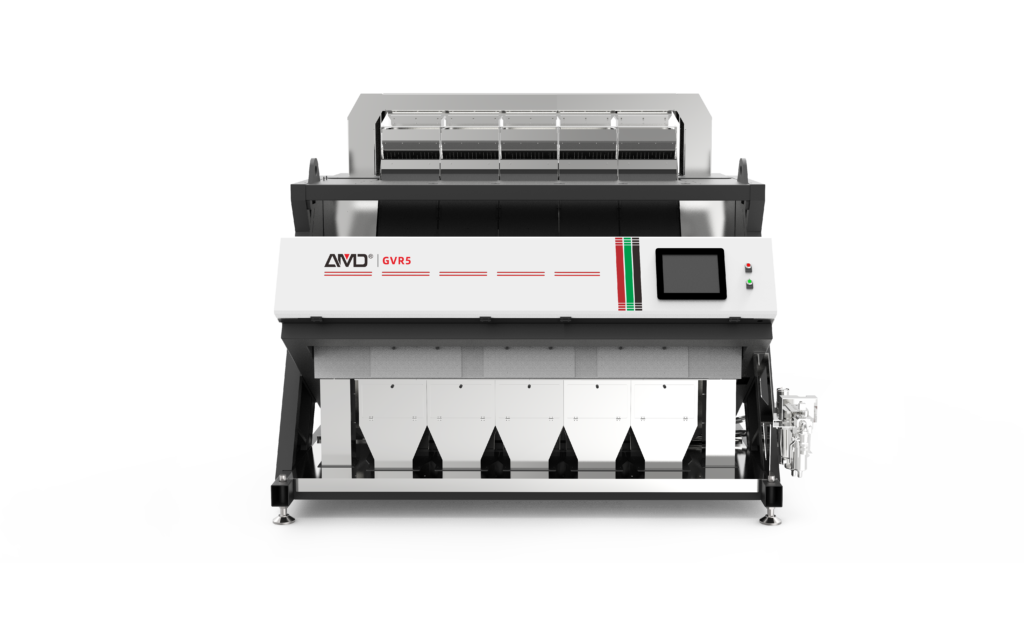
An Automatic Plastic Sorting Solution for Small Plants can support many different recycling applications, depending on the machine configuration and sensor technology.
PET Bottle Recycling
PET recycling remains one of the largest applications for automatic sorting systems. Machines can separate:
- Transparent PET
- Blue PET
- Green PET
- PVC contamination
- Metal impurities
High-purity PET flakes are widely used in textile fibers, packaging, and food-grade recycling applications.
Mixed Plastic Recycling
Mixed plastic waste streams are more difficult to process manually because different polymers often appear visually similar.
Automatic sorting systems help separate:
- PP
- PE
- ABS
- PS
- PC
- Engineering plastics
This improves downstream processing efficiency and increases recycled material consistency.
Plastic Pellet Sorting
Pellet sorting machines remove:
- Black specks
- Burned pellets
- Color contamination
- Foreign particles
This is especially important for manufacturers producing recycled plastic compounds or injection molding materials.
Household Waste Recycling
Municipal solid waste recycling facilities increasingly use automatic sorting technologies to recover valuable plastics from mixed waste streams.
Even smaller recycling centers can now adopt compact sensor-based sorting equipment to improve recovery efficiency.
Why More Small Plants Are Moving Toward Intelligent Plastic Sorting
The global recycling industry is rapidly changing. Buyers of recycled materials now demand:
- Higher purity
- Better consistency
- Lower contamination
- Stable supply quality
At the same time, labor costs continue rising while environmental regulations become stricter.
Because of these trends, many small recycling businesses are transitioning from labor-intensive sorting methods to intelligent automated systems. Modern sorting equipment no longer belongs only to large recycling corporations. Compact AI-driven systems are making advanced sorting technology more accessible to smaller operations.
Another important advantage is scalability. Many small plants begin with a single sorting stage and gradually expand into multi-stage purification systems as their business grows.
This allows recycling facilities to improve operational efficiency step by step without making excessively large upfront investments.
The latest sensor-based sorting technologies can also help smaller plants compete for higher-value recycling contracts that require stricter purity specifications.
FAQ About Automatic Plastic Sorting Solution for Small Plants
What plastics can automatic sorting machines identify?
Most modern systems can identify PET, PVC, HDPE, PP, PE, ABS, PS, PC, and various engineering plastics depending on sensor configuration.
Is an automatic plastic sorting machine suitable for small recycling plants?
Yes. Many modern systems are specifically designed for compact recycling facilities and offer modular configurations for smaller production capacities.
Can automatic sorting systems remove PVC from PET flakes?
Yes. NIR technology is widely used to identify and remove PVC contamination from PET recycling streams.
How much labor can automated sorting reduce?
The exact reduction depends on plant size and material type, but automated systems can significantly decrease manual sorting requirements while improving consistency.
Are AI-based sorting systems better than traditional color sorters?
AI-driven systems typically provide better recognition performance for irregular materials, contaminated flakes, and mixed waste streams compared with traditional color-only sorting equipment.
What should small plants prioritize when buying a sorting machine?
Small plants should focus on:
- Material compatibility
- Sorting accuracy
- Installation space
- Energy consumption
- Ease of maintenance
- After-sales technical support
Can sorting machines handle dirty or wet plastic flakes?
Some systems can process lightly contaminated materials, but heavily wet or dirty flakes may reduce sorting accuracy. Proper washing and drying stages are still important.
Final Thoughts
Choosing the right Automatic Plastic Sorting Solution for Small Plants is not simply about buying a machine. It is about building a recycling process that can deliver stable material quality, improve operational efficiency, and support long-term business growth.
For smaller recycling facilities, the ideal solution is usually a balance between intelligent sorting capability, manageable investment cost, compact design, and future scalability. As recycling standards continue rising worldwide, automatic plastic sorting technology is becoming less of a luxury and more of a necessity for plants that want to remain competitive in the modern recycling industry.