In today’s recycling industry, purity is everything. Whether you are producing food-grade PET flakes, recycled HDPE materials, or high-value polymer pellets, contamination directly affects product quality, resale value, downstream processing efficiency, and customer trust. That is why more recycling plants are turning to Automated Plastic Bottle Sorting systems to improve consistency, reduce labor dependency, and achieve higher recovery rates.
Modern recycling facilities no longer rely only on manual sorting. Advanced optical sorting systems now combine AI recognition, near-infrared detection, color cameras, and intelligent algorithms to separate plastics with remarkable precision. These technologies help recyclers remove PVC contamination, identify polymer types, sort by color, and improve overall material purity in high-throughput production environments.
If you are planning to invest in a plastic bottle sorting solution, understanding how purity optimization works can help you avoid expensive mistakes and choose equipment that truly matches your recycling goals.
Why Purity Matters in Automated Plastic Bottle Sorting
Purity is one of the biggest factors determining the commercial value of recycled plastics. Even small amounts of contamination can reduce the usability of recycled materials, especially in industries requiring strict quality standards such as food packaging, textile fiber production, and high-grade injection molding.
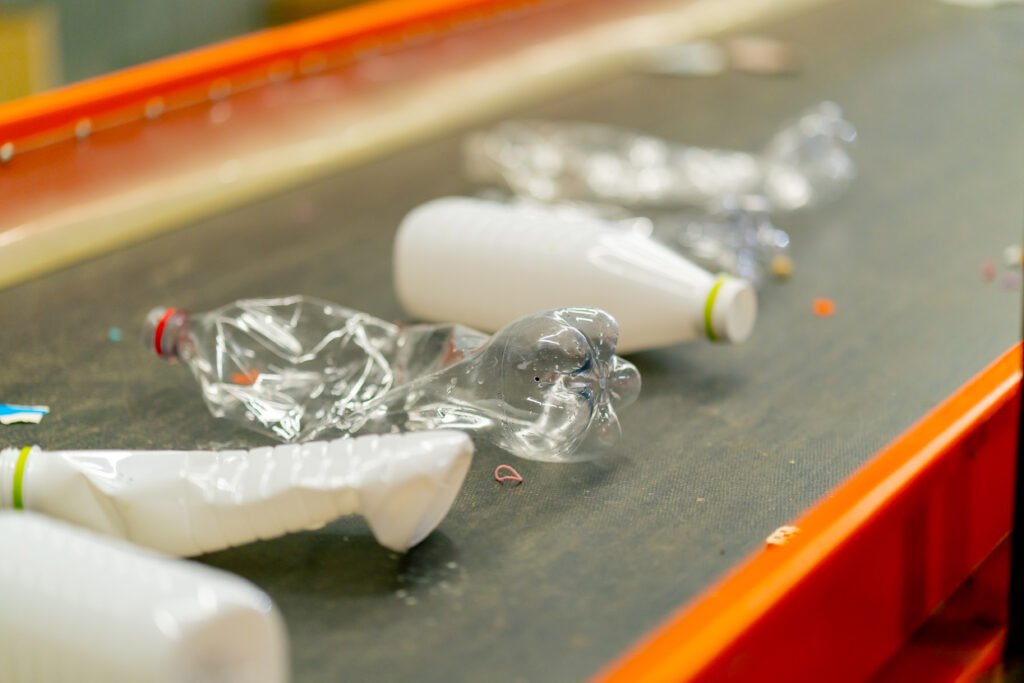
For example, PET recycling operations often struggle with contaminants such as:
- PVC bottles mixed into PET streams
- Colored bottles are contaminating clear flakes.
- Metal fragments.
- Labels and caps.
- Oil residue or dirt.
- Different polymer types like PP, PE, and PS.
A low-purity output can lead to production instability, black spots in finished products, poor transparency, weakened mechanical properties, and rejected material shipments.
This is where Automated Plastic Bottle Sorting becomes essential. Instead of relying heavily on workers to visually identify materials, automated systems use sensor-based recognition to analyze plastics in milliseconds. The result is faster sorting, higher consistency, and significantly improved purity rates.
Modern recycling buyers increasingly demand cleaner recycled feedstock. In many export markets, recycled PET purity requirements continue to rise, especially for food-contact applications and premium recycled resin manufacturing. Investing in a high-quality sorting system is no longer optional for many recyclers — it has become part of staying competitive.
How Automated Plastic Bottle Sorting Technology Works
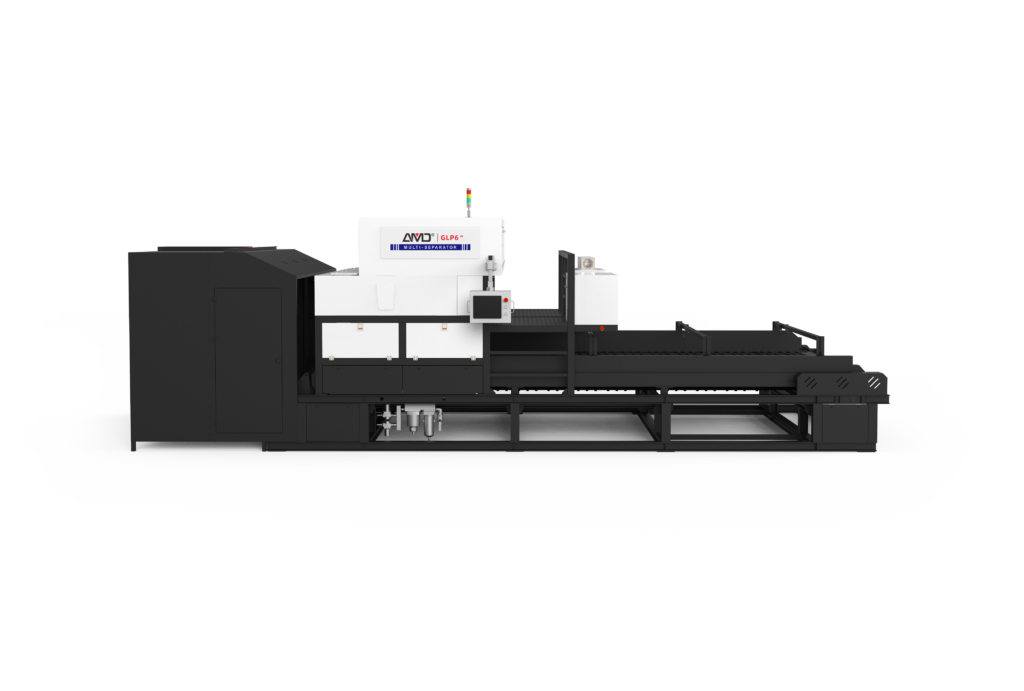
The core purpose of an Automated Plastic Bottle Sorting system is to identify and separate materials accurately while maintaining high processing capacity. Today’s advanced sorting lines typically combine several technologies together rather than relying on a single sensor.
Common technologies include:
NIR (Near-Infrared) Detection
NIR technology identifies plastics based on their molecular composition. This allows the system to distinguish PET, HDPE, PP, PVC, ABS, PS, and other polymers even if they look visually similar.
This is especially important when processing mixed bottle streams collected from municipal recycling systems.
AI Vision Recognition
AI-driven recognition systems analyze bottle shape, surface texture, labels, transparency, and color characteristics. Intelligent learning algorithms continue improving identification accuracy over time, helping facilities maintain stable sorting performance under changing material conditions.
AI-based systems are particularly useful when dealing with complex post-consumer waste streams where bottles may be damaged, compressed, dirty, or irregularly shaped.
High-Speed Ejection Systems
Once contaminants are identified, high-speed air valves eject unwanted materials from the production line. Precision timing is critical because modern recycling plants process large volumes continuously.
Efficient ejection systems help reduce false rejection rates while maintaining throughput.
Multi-Sensor Combination Sorting
One of the biggest developments in modern recycling is multi-sensor fusion. Instead of using only color recognition or only polymer identification, advanced systems combine:
- Visible light cameras
- Infrared sensors
- Deep-learning algorithms
- Shape analysis
- Material density recognition
This combination dramatically improves sorting accuracy in difficult recycling environments.
Key Factors That Influence Sorting Purity
Even the best Automated Plastic Bottle Sorting machine cannot achieve maximum purity if the overall production process is poorly designed. Several operational factors influence final sorting results.
Material Preparation
Proper pretreatment greatly improves sorting performance. Bottles should ideally pass through:
- Debaling
- Label removal
- Metal separation
- Crushing or sizing
- Washing systems
Excessive dirt, moisture, or overlapping materials can reduce sensor accuracy.
Feed Consistency
Stable feeding is critical for high-purity separation. Uneven material flow often causes overlapping bottles or inconsistent sensor exposure, reducing identification accuracy.
Modern sorting lines commonly use vibration feeders, acceleration conveyors, and material spreading systems to maintain consistent material distribution.
Sensor Resolution
Higher-resolution optical systems improve detection precision, especially when separating:
- Light blue PET from transparent PET
- PVC from PET
- Food-grade vs non-food-grade materials
- Slight color variations
Facilities producing premium recycled plastics usually prioritize sensor quality over simply choosing the cheapest machine.
Software Algorithms
Advanced software is becoming just as important as hardware. Intelligent sorting algorithms help systems adapt to changing waste streams, lighting conditions, and material characteristics.
Some AI-based systems can continuously optimize recognition models based on real production data, improving sorting stability over time.
Air Valve Precision
Poor-quality air ejection systems may accidentally reject good materials or fail to remove contaminants completely. Fast-response valves with accurate timing help improve recovery rates while maintaining purity.
Choosing the Right Automated Plastic Bottle Sorting Machine
Many buyers focus only on machine price, but long-term recycling profitability depends more on sorting efficiency, maintenance stability, and purity performance.
When evaluating an Automated Plastic Bottle Sorting system, buyers should pay attention to several critical areas.
Understand Your Material Stream
Different recycling facilities process different materials. Some plants mainly handle:
- PET bottles
- HDPE containers
- Mixed rigid plastics
- Colored bottle streams
- Food-grade recycling materials
Your machine configuration should match your actual material conditions instead of using a generic setup.
For example, PET purification lines often require stronger PVC detection capability because even small amounts of PVC can damage recycled PET quality.
Evaluate Throughput Requirements
Oversized equipment can waste energy and increase operating costs. Undersized systems create bottlenecks that reduce plant efficiency.
Choose a machine based on realistic production capacity rather than theoretical maximum throughput numbers.
Look Beyond Initial Price
Lower-cost machines may appear attractive initially, but unstable sorting performance can create expensive downstream losses.
Important long-term considerations include:
- Sensor lifespan
- Maintenance costs
- Spare parts availability
- Software support
- Energy consumption
- Sorting stability
A reliable system with stable purity performance often generates better return on investment over time.
Consider Future Expansion
Many recycling companies eventually expand into higher-value recycled products. Choosing scalable Automated Plastic Bottle Sorting equipment allows future upgrades without replacing the entire line.
Flexible systems are particularly useful when market demand changes or new recycling regulations emerge.
The Future of High-Purity Plastic Recycling
The recycling industry is moving rapidly toward higher automation and stricter purity requirements. Global demand for recycled plastics continues to increase as brands commit to sustainability targets and governments introduce stricter environmental regulations.
Future trends in Automated Plastic Bottle Sorting include:
AI-Powered Self-Learning Systems
Deep-learning technology will continue improving recognition accuracy for complex waste streams.
Machines are becoming better at identifying:
- Dirty plastics
- Damaged bottles
- Similar-looking polymers
- Multi-layer packaging materials
Greater Food-Grade Recycling Demand
Food-grade recycled PET production requires extremely high purity standards. Advanced sorting systems will play a central role in meeting these requirements.
Integration With Smart Recycling Lines
Modern recycling plants increasingly connect sorting machines with centralized production management systems for:
- Real-time monitoring
- Production optimization
- Remote diagnostics
- Data analysis
- Predictive maintenance
Higher Demand for Engineering Plastic Separation
As electronics recycling and automotive recycling grow, demand for high-purity engineering plastics such as ABS, PS, and PC separation will continue rising.
Advanced sensor-based sorting technology is becoming essential for accessing these higher-value recycling markets.
FAQ
What is Automated Plastic Bottle Sorting?
Automated Plastic Bottle Sorting is a recycling process that uses optical sensors, AI recognition, NIR technology, and air ejection systems to automatically identify and separate plastic bottles by material type, color, or contamination level.
Why is purity important in plastic recycling?
Higher purity improves recycled material quality, increases resale value, reduces manufacturing defects, and helps recyclers meet strict customer and regulatory requirements.
Can automated sorting remove PVC from PET?
Yes. Advanced NIR-based sorting systems can accurately detect and remove PVC contamination from PET recycling streams, which is critical for producing high-quality recycled PET.
What plastics can automated sorting machines identify?
Modern systems can identify various materials, including PET, HDPE, PP, PE, PVC, ABS, PS, PC, and other engineering plastics, depending on sensor configuration.
Is AI technology useful in plastic bottle sorting?
Yes. AI-driven sorting systems improve recognition accuracy for damaged, dirty, or irregularly shaped plastics and help maintain stable performance in complex recycling environments.
How can recycling plants improve sorting purity?
Plants can improve purity by combining proper pretreatment, stable material feeding, high-quality sensor systems, intelligent software algorithms, and precision air ejection technology.
Are automated sorting systems suitable for small recycling plants?
Yes. Many modern sorting systems are available in compact configurations suitable for small and medium recycling facilities while still offering high sorting accuracy and operational efficiency.
Summary
Automated Plastic Bottle Sorting has become one of the most important technologies in modern recycling operations. High-purity recycled materials are now essential for achieving better product quality, meeting environmental regulations, and improving profitability in competitive recycling markets.
Choosing the right sorting solution requires more than comparing prices. Buyers should carefully evaluate material types, purity goals, throughput requirements, sensor technologies, and long-term operational stability.
Facilities that invest in advanced sorting technology are often better positioned to produce cleaner recycled plastics, reduce contamination risks, and enter higher-value recycling markets.
As recycling standards continue evolving, intelligent sorting systems will become even more important for maximizing material recovery and maintaining consistent purity performance.
Ready to maximize your recycling purity? Contact us today for free material testing!