Acrylonitrile Butadiene Styrene (ABS) is one of the most widely used engineering plastics in modern manufacturing. With a balanced combination of impact resistance, durability, dimensional stability, and processing flexibility, ABS plastic has become an important material in industries such as automotive manufacturing, electronics, consumer products, and industrial applications.
Unlike common commodity plastics such as polyethylene (PE) and polypropylene (PP), ABS belongs to the category of engineering plastics. These materials are designed for applications that require higher mechanical performance, better surface quality, and improved resistance to physical stress. Because of these advantages, ABS is widely used for producing durable plastic components that need to maintain their shape, appearance, and performance throughout their service life.
The name Acrylonitrile Butadiene Styrene comes from its three main chemical components:
- Acrylonitrile provides hardness, chemical resistance, and thermal stability, helping ABS maintain structural performance in demanding environments.
- Butadiene improves flexibility and impact resistance, allowing ABS parts to absorb physical forces without easily cracking.
- Styrene contributes rigidity, smooth surface appearance, and excellent processing characteristics.
By combining these three components, ABS achieves a unique balance between strength, toughness, and manufacturability. This makes it suitable for producing lightweight but durable plastic parts with consistent quality.
As a thermoplastic material, ABS can be melted, reshaped, and processed again through suitable recycling methods. This recyclability gives ABS significant value in the circular economy and plastic recycling industry. However, recovering ABS is not as simple as collecting and melting waste plastic.
In real recycling operations, ABS waste is often mixed with other engineering plastics, including PS, PC, PA, PP, and other polymer materials. These plastics may have similar appearances but different chemical structures and processing characteristics. Without accurate identification and separation, mixed materials can reduce the quality and value of recycled plastic products.
This is why professional ABS sorting machines and advanced plastic sorting technologies have become increasingly important for recycling companies. By identifying polymer differences and separating materials with high accuracy, automated sorting systems help processors recover cleaner ABS streams and improve overall recycling efficiency.
ABS Plastic Properties and Key Applications in Modern Industries
The popularity of Acrylonitrile Butadiene Styrene comes from its excellent balance of mechanical performance, production efficiency, and cost-effectiveness. Compared with many other plastics, ABS provides reliable performance while remaining easy to manufacture and process.
One of the most important advantages of ABS plastic is its high impact resistance. The butadiene component gives ABS greater toughness, allowing products made from this material to withstand impacts and mechanical stress without easily breaking. This makes ABS suitable for applications where durability and long service life are important.
Another significant property is excellent dimensional stability. ABS maintains its shape after molding and has relatively low shrinkage during production. This characteristic makes it ideal for precision components that require accurate dimensions and consistent assembly performance.
In addition, ABS offers several valuable characteristics:
- Good surface finish: ABS can achieve smooth and attractive surfaces, making it suitable for visible consumer products.
- Easy processing: ABS can be efficiently injection molded, extruded, and thermoformed.
- Good strength-to-weight ratio: It provides strong mechanical performance while maintaining a lightweight structure.
- Moderate heat resistance: It performs reliably in many indoor, electronic, and industrial applications.
Because of these advantages, ABS has become widely used across multiple industries.
Automotive Applications
In the automotive industry, ABS is commonly used for interior components, dashboards, door panels, trim parts, control panels, and various protective components. Its combination of strength, lightweight characteristics, and surface quality makes it suitable for modern vehicle manufacturing.
As automotive manufacturers continue reducing vehicle weight and increasing the use of recyclable materials, recovering ABS from end-of-life vehicles has become an important part of automotive plastic recycling.
Electronics and Electrical Applications
ABS is also widely used in electronic products, including computer housings, keyboards, electrical enclosures, printers, appliances, and consumer electronic equipment.
Its good impact resistance and electrical insulation properties help protect internal components, while its smooth surface allows manufacturers to create attractive product designs.
Electronic waste (WEEE) has become one of the major sources of recyclable ABS materials. However, recovering ABS from electronic waste is challenging because these products often contain multiple plastics, coatings, additives, and non-plastic components.
Consumer Products and Industrial Applications
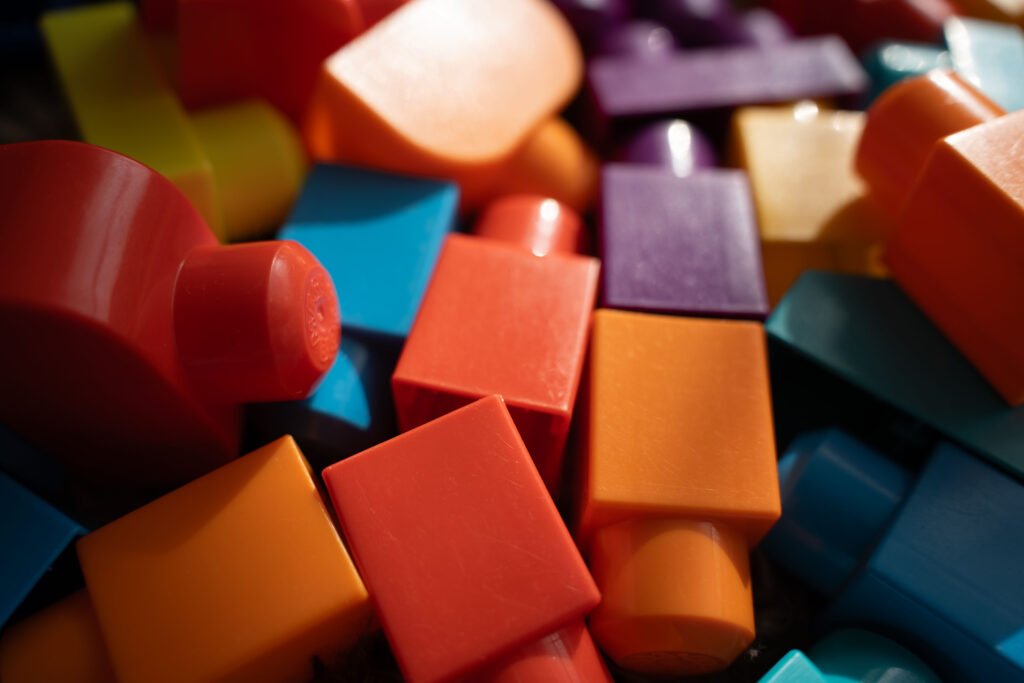
Beyond automotive and electronics, ABS can be found in many everyday and industrial products, including toys, luggage components, tools, sports equipment, household products, and industrial housings.
The wide application of ABS creates a significant recycling opportunity. Recovering this material reduces dependence on virgin plastic production and allows manufacturers to reuse valuable engineering plastics.
However, the same characteristics that make ABS valuable also create challenges during recycling. Since ABS is often collected together with other engineering plastics, accurate material separation becomes a critical step in producing high-quality recycled ABS.
Why Is ABS Plastic Difficult to Recycle and Sort?
Although Acrylonitrile Butadiene Styrene (ABS) is a recyclable thermoplastic, recovering high-quality ABS from post-consumer waste is more complicated than simply shredding and remelting the material.
One reason is where ABS is commonly used. Unlike PET bottles or PE packaging, ABS frequently enters recycling facilities through waste electrical and electronic equipment (WEEE), automotive components, appliance housings, toys, and other durable plastic products. These waste streams may contain several visually similar engineering plastics, including ABS, PS, HIPS, PP, PC, and PC/ABS blends.
This creates an important sorting problem.
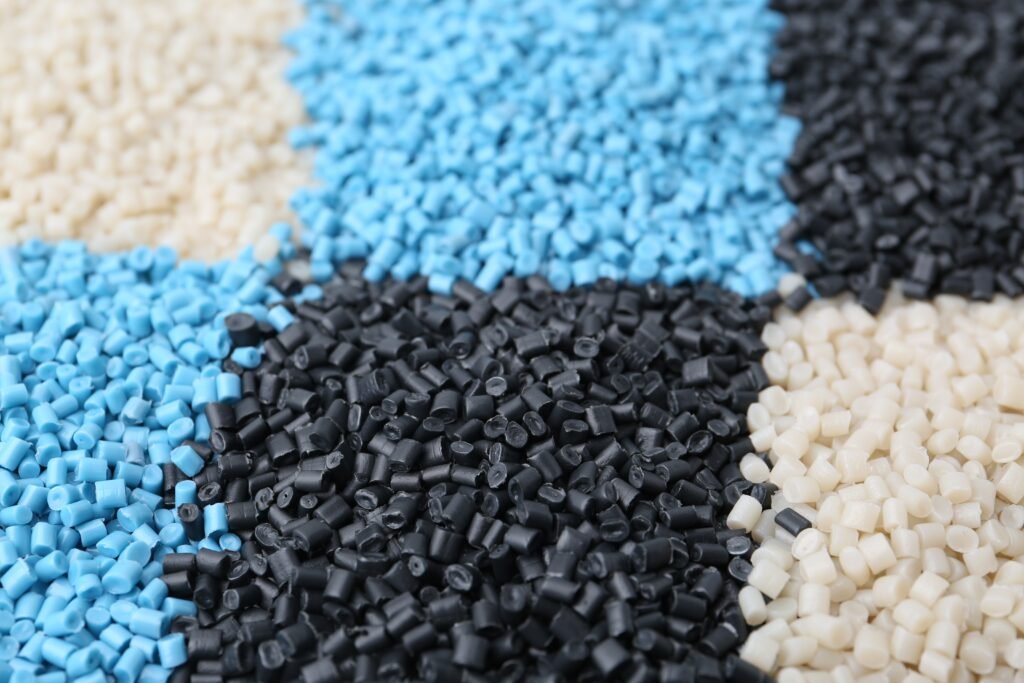
Two pieces of shredded plastic may both appear black or grey but have completely different polymer compositions. Conventional color sorting can distinguish visible differences, but color alone cannot reliably determine whether a flake is ABS, PS, PP, or another polymer.
For recyclers trying to produce a commercially useful recycled ABS (rABS) fraction, polymer purity matters. Cross-contamination can affect melt behavior, impact resistance, appearance, and the consistency of the final recycled material. Therefore, accurate material identification becomes an important step before extrusion and pelletizing.
Black ABS Creates an Additional Sorting Challenge
Black ABS deserves particular attention because it is widely found in electronic housings, automotive parts, and consumer products.
Many traditional black plastics use carbon black pigments. Carbon black absorbs much of the near-infrared radiation used by conventional NIR sorting systems, reducing the reflected spectral information available for polymer identification. Industry recycling guidance therefore warns that conventional NIR detection of carbon-black-containing plastics may be unreliable unless NIR-detectable pigments are used.
However, this does not mean that ABS itself cannot be identified by NIR technology.
For suitable non-black or NIR-detectable materials, NIR spectroscopy can distinguish ABS from other polymers. Research involving recovered WEEE plastics has demonstrated automated differentiation among PP, ABS, PS, and ABS/PC materials under appropriate conditions.
The practical lesson for recycling plants is simple: the sorting technology should be selected according to the actual feedstock, not just the polymer name.
A relatively clean stream of light-colored ABS may require a different sensor configuration from a mixed stream containing black ABS, flame-retardant plastics, PC/ABS blends, and other engineering polymers.
ABS Recycling Challenges: Why Accurate Sorting Is Essential for Engineering Plastics
As demand for recycled engineering plastics continues to increase, Acrylonitrile Butadiene Styrene (ABS) has become an important target material for recycling companies. However, compared with simpler plastic streams such as PET bottles or HDPE containers, ABS recycling requires more advanced separation processes because waste streams often contain multiple polymer types with similar physical appearances.
In commercial recycling operations, ABS rarely arrives as a clean and isolated material. Instead, it is commonly recovered from complex sources such as electronic waste (WEEE), automotive components, household appliances, and industrial plastic products. These waste streams often contain a mixture of engineering plastics, including:
- ABS (Acrylonitrile Butadiene Styrene)
- PS (Polystyrene)
- PC (Polycarbonate)
- PA (Polyamide)
- PP (Polypropylene)
- PC/ABS blends
- Other modified engineering plastics
Although these materials may look similar, their molecular structures, melting temperatures, and mechanical properties are different. When incompatible plastics are mixed during recycling and pellet production, the final recycled material may experience reduced strength, inconsistent appearance, poor processing performance, and lower market value.
For example, ABS and PS can have very similar appearances, especially when both materials are black or dark-colored. However, they have different polymer compositions and cannot always be processed together without affecting the quality of recycled pellets.
This is why accurate ABS sorting has become a critical step in modern engineering plastic recycling. A reliable sorting process helps recycling companies recover cleaner ABS materials, reduce contamination, and produce recycled plastics suitable for higher-value applications.
The Challenge of Sorting Black and Dark ABS Plastics
One of the most difficult challenges in ABS recycling is processing black and dark-colored plastics.
A large percentage of ABS waste from electronics, automotive components, and industrial products uses black pigments because they provide a consistent appearance, UV resistance, and cost advantages. However, these dark plastics create difficulties for traditional sorting technologies.
Many black plastics contain carbon black pigments, which can absorb infrared signals and reduce the amount of useful spectral information detected by conventional near-infrared (NIR) sensors. When the sensor cannot obtain a clear material signature, distinguishing black ABS from other dark polymers such as black PS, PP, or PC becomes more challenging.
This limitation is especially important for recycling facilities processing mixed engineering plastics from electronic waste or automotive applications.
Modern recycling operations increasingly require more advanced identification methods, including:
- Improved optical detection technologies
- AI-assisted material recognition
- Multi-sensor sorting systems
- Advanced polymer identification solutions
These technologies help overcome the limitations of traditional sorting methods by analyzing more detailed material characteristics and improving separation accuracy for complex plastic streams.
For companies investing in an ABS sorting machine, understanding black plastic handling capability is an important factor. A system designed only for basic color separation may not achieve the accuracy required for engineering plastic recycling applications.
Why Manual ABS Sorting Is No Longer Enough for Modern Recycling Plants
For many years, recycling facilities relied on manual sorting to separate different plastic materials. Workers identified plastics based on product appearance, labels, shapes, or personal experience.
While manual sorting can still be useful in some applications, it becomes increasingly difficult when processing large volumes of mixed engineering plastics.
The main limitations include:
Similar Appearance Between Different Plastics
Many engineering plastics share similar colors, textures, and physical shapes. A black ABS component and a black PS component may appear almost identical to the human eye, making accurate identification extremely difficult.
Limited Processing Speed
Modern recycling plants handle large quantities of plastic materials every day. Manual inspection cannot match the speed and consistency required for high-volume production.
Higher Labor Costs
As recycling volumes increase, relying mainly on manual labor creates higher operating costs and limits production scalability.
Inconsistent Sorting Quality
Human sorting accuracy can be affected by operator experience, fatigue, lighting conditions, and working environments. These variations may lead to inconsistent recycled material quality.
For recycling companies, improving sorting accuracy is directly connected to profitability. Higher-purity ABS materials can achieve better market value, while contaminated plastic streams may require additional processing or face rejection from downstream manufacturers.
This has accelerated the transition from traditional manual sorting toward automated sensor-based plastic sorting solutions.
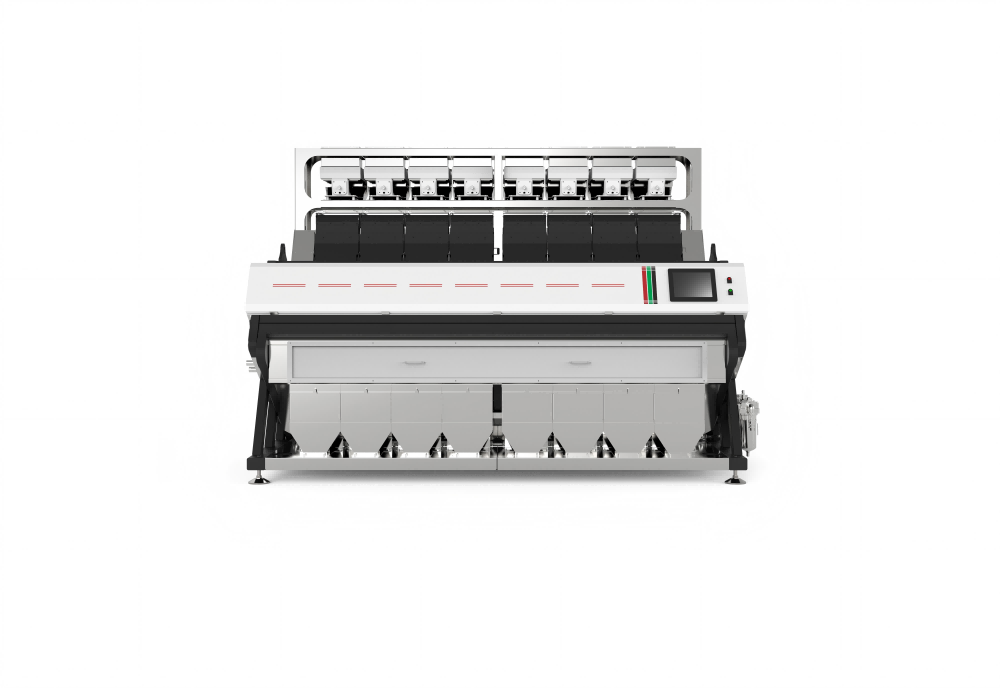
How an ABS Sorting Machine Improves Plastic Recycling Efficiency
Modern ABS sorting machines use advanced sensor technologies to automatically identify and separate different polymer materials. Instead of relying only on visual inspection, these systems analyze material characteristics that cannot be detected by the human eye.
For engineering plastic recycling applications, advanced sorting equipment typically combines multiple technologies to achieve better separation performance.
Near-Infrared (NIR) Polymer Identification
NIR technology identifies plastics based on their unique spectral response. Different polymers absorb and reflect infrared wavelengths differently, allowing sorting systems to recognize materials such as ABS, PP, PET, PS, PC, and other plastics.
During the sorting process, plastic materials move through the detection area where sensors analyze their characteristics in real time. After identification, the system sends signals to the rejection mechanism to separate target materials or unwanted contaminants.
NIR polymer identification is widely used in plastic recycling because it provides fast and automated material recognition compared with manual separation methods.
High-Resolution Optical Detection
Optical detection systems analyze visible characteristics such as color differences, shape, and surface conditions.
For ABS recycling, optical technology is useful when dealing with:
- Mixed-color plastic streams
- Surface contamination
- Foreign materials
- Visible defects
By combining optical information with polymer identification data, sorting systems can achieve more accurate separation results.
AI-Based Sorting Algorithms
Artificial intelligence has further improved the performance of modern plastic sorting equipment.
AI-based systems can analyze large amounts of sorting data and recognize complex material patterns. This helps improve identification accuracy when processing irregular shapes, mixed materials, and challenging waste streams.
For engineering plastics such as ABS, PC, and PS, AI-assisted recognition provides additional support where traditional identification methods may face limitations.
Precision Air Ejection Systems
After identifying ABS materials or unwanted plastics, high-speed air ejection systems accurately remove selected pieces from the material flow.
Precise rejection technology helps:
- Reduce contamination
- Improve recovery rates
- Minimize loss of valuable materials
- Maintain stable production performance
Modern sensor-based plastic sorting solutions are designed for applications including engineering plastic recycling, polymer separation, PET flake sorting, and mixed plastic recovery. These systems combine optical recognition, polymer identification, and automated separation technologies to help recycling companies improve material quality and operational efficiency.
Choosing the Right ABS Sorting Machine for Your Recycling Facility
Selecting the right ABS sorting machine is an important investment decision for recycling companies that want to improve material recovery efficiency and produce higher-quality recycled engineering plastics. Since different recycling facilities handle different types of input materials, there is no single sorting solution that fits every application.
The ideal sorting system should be selected based on factors such as incoming material composition, required purity level, processing capacity, material size, and future production goals.
Before purchasing plastic sorting equipment, recycling companies should carefully evaluate the following factors.
1. Analyze Your ABS Waste Stream and Material Composition
The first step in selecting a sorting solution is understanding the characteristics of your incoming plastic materials.
ABS waste can come from many different sources, including:
- Electronic waste (WEEE)
- Automotive plastic components
- Household appliances
- Industrial plastic parts
- Post-consumer plastic products
Each source may contain different levels of contamination and different combinations of polymers.
For example, an electronic waste recycling plant may need to separate ABS from PC, PS, and other engineering plastics, while an automotive recycling facility may process larger plastic components containing mixed materials, coatings, and additives.
Before investing in equipment, companies should evaluate:
- What percentage of the input material is ABS?
- Which other polymers are mixed with ABS?
- Are the materials black, colored, or transparent?
- Are the materials in whole-piece, shredded, regrind, or flake form?
- What purity level is required for the final recycled product?
A clear understanding of material characteristics helps determine the appropriate sorting technology and system configuration.
2. Consider Sorting Accuracy and Required Purity Level
For engineering plastic recycling, sorting accuracy directly affects the quality and value of recycled materials.
Unlike simple plastic recycling applications, ABS recycling often involves separating materials with similar appearances and physical characteristics. A small amount of contamination from PS, PC, PP, or other polymers may affect the performance of recycled ABS pellets.
For companies producing recycled materials for demanding applications, higher purity requirements are usually necessary.
A suitable sorting system should provide:
- Accurate polymer identification
- Stable separation performance
- Low material loss
- Consistent output quality
Modern sensor-based sorting equipment uses technologies such as NIR identification, optical detection, and intelligent algorithms to improve separation accuracy. These technologies allow recycling facilities to move beyond traditional manual sorting and achieve more reliable results in complex plastic streams.
3. Match Equipment Capacity with Your Recycling Operation
Processing capacity is another important factor when selecting an ABS sorting solution.
A recycling facility handling several tons of engineering plastics per hour requires equipment that can maintain stable performance under continuous operation. However, choosing a machine only based on maximum throughput may not always be the best approach.
Companies should consider:
- Current production volume
- Expected future growth
- Material feeding conditions
- Required sorting stages
- Available installation space
Different material forms may also require different sorting approaches.
For example:
- Whole plastic parts: Usually require recognition of larger objects and complex surface conditions.
- Shredded plastics: Require fast identification because many small pieces pass through the sorting area.
- Plastic flakes: Require precise detection because contamination and material mixing are often more difficult to control.
The best sorting solution should balance processing capacity, sorting accuracy, and operating efficiency.
4. Evaluate Supplier Technology and Technical Support
When purchasing an ABS plastic sorting machine, equipment performance is only one part of the decision. Supplier experience and technical support also play an important role in long-term operation.
Engineering plastic recycling projects often involve complex material conditions. A reliable supplier should be able to provide support including:
- Material testing before installation
- Sorting solution recommendations
- Equipment adjustment and optimization
- Technical training
- After-sales service
A professional supplier should understand that every recycling facility has different challenges. Factors such as plastic source, contamination level, particle size, and output requirements can influence sorting performance.
For this reason, recycling companies should focus not only on machine specifications but also on whether the supplier can provide a complete recycling solution.
FAQ About Acrylonitrile Butadiene Styrene (ABS) Recycling
1. What is Acrylonitrile Butadiene Styrene (ABS) plastic used for?
ABS is widely used in automotive components, electronic housings, appliances, tools, toys, industrial parts, and consumer products. Its popularity comes from its excellent impact resistance, dimensional stability, surface quality, and easy processing characteristics.
2. Can ABS plastic be recycled?
Yes. ABS is a recyclable thermoplastic material. It can be melted and reprocessed into new plastic products. However, maintaining the quality of recycled ABS requires effective separation from other polymers and contaminants.
3. Why is ABS recycling difficult?
ABS recycling is challenging because ABS is often mixed with other engineering plastics such as PS, PC, PP, and PA. Many of these materials have similar appearances, making manual identification difficult. Accurate polymer sorting is necessary to achieve high-quality recycled ABS.
4. Can an ABS sorting machine separate ABS from PS and PC?
Yes. Modern sensor-based sorting systems are designed to identify differences between various polymers. By combining technologies such as NIR polymer recognition, optical detection, and intelligent sorting algorithms, these systems can help separate ABS from similar engineering plastics.
5. How are black ABS plastics sorted?
Black ABS plastics can be challenging because carbon black pigments may reduce the effectiveness of traditional infrared detection. Advanced sorting solutions use improved sensor technologies, optical recognition, and AI-assisted identification methods to improve separation performance for dark-colored plastics.
6. What plastics can be sorted together with ABS?
ABS is commonly found in mixed engineering plastic streams containing materials such as PC, PS, PA, PP, and other polymers. A suitable sorting system can help separate these materials and recover valuable plastic resources.
Conclusion: Improving ABS Recycling with Advanced Plastic Sorting Technology
Acrylonitrile Butadiene Styrene (ABS) remains one of the most valuable engineering plastics because of its excellent combination of strength, durability, and processing performance. As industries continue to focus on sustainable manufacturing and circular economy practices, recovering high-quality ABS materials will become increasingly important.
However, successful ABS recycling depends on accurate identification and separation. Mixed polymer streams, similar material appearances, and the increasing use of dark-colored plastics create challenges that traditional sorting methods cannot efficiently solve.
By adopting advanced ABS sorting machines and sensor-based plastic sorting technologies, recycling companies can improve material purity, increase recovery efficiency, and produce higher-value recycled plastics.
PolySorter provides professional plastic sorting solutions designed for complex recycling applications, including engineering plastics, mixed polymer streams, and challenging materials such as ABS. By combining advanced detection technologies with intelligent sorting systems, PolySorter helps recycling companies build more efficient, stable, and sustainable plastic recycling operations.