Plastic is one of the most widely used materials in the modern world. From food packaging and beverage bottles to automotive components, electronic products, and industrial equipment, plastics are found in almost every major industry.
The reason plastics have become so important is their unique combination of properties. They are lightweight, durable, corrosion-resistant, and easy to manufacture into different shapes and products. Compared with traditional materials such as metal, glass, or wood, plastics often provide better design flexibility and lower production costs.
So, what is plastic exactly?
Plastic is a group of synthetic or semi-synthetic materials mainly made from polymers. Polymers are long-chain molecules formed by connecting smaller chemical units called monomers. By changing the polymer structure and adding different materials during production, manufacturers can create plastics with different characteristics, including higher strength, better flexibility, improved heat resistance, or greater transparency.
Although plastics are often considered a single material category, they actually include many different types of polymers. PET, PP, PE, PVC, PS, ABS, and other engineering plastics all belong to the plastic family, but they have different chemical structures, applications, and recycling requirements.
This difference is especially important for plastic recycling.
A clear plastic bottle made from PET may look very similar to another transparent plastic container made from a different polymer. However, these materials cannot always be recycled together because they have different melting points, chemical properties, and processing requirements.
For recycling companies, understanding different plastic types is the first step toward improving material recovery. Accurate identification and separation allow facilities to produce higher-quality recycled plastics, reduce waste, and increase the value of recovered materials.
Modern recycling plants increasingly use advanced plastic sorting technology to solve these challenges. Instead of relying only on manual inspection, automated sorting systems use optical cameras, near-infrared (NIR) sensors, artificial intelligence, and image recognition technologies to identify different polymers, colors, and contaminants.
Plastic Composition and Why Different Plastics Have Different Properties
The performance of plastic depends mainly on its polymer structure, manufacturing process, and additional components used during production.
Most traditional plastics are produced from petrochemical materials, while bio-based plastics made from renewable resources are becoming increasingly common. During manufacturing, plastic materials are processed through methods such as extrusion, injection molding, blow molding, and thermoforming to create different products.
Manufacturers may also add specific additives to improve plastic performance, including:
- Plasticizers to increase flexibility;
- Colorants to create different appearances;
- UV stabilizers to improve outdoor durability;
- Flame retardants to enhance safety performance;
- Reinforcing materials to increase mechanical strength.
These additives help plastics meet different application requirements, but they also make recycling more complicated.
For example, two plastic products made from the same polymer may still have different recycling characteristics because of coatings, additives, or manufacturing processes. A PET bottle designed for beverage packaging may require different handling compared with PET materials containing additional layers or labels.
For recycling operators, the biggest challenge is not only collecting plastic waste but also accurately separating different materials.
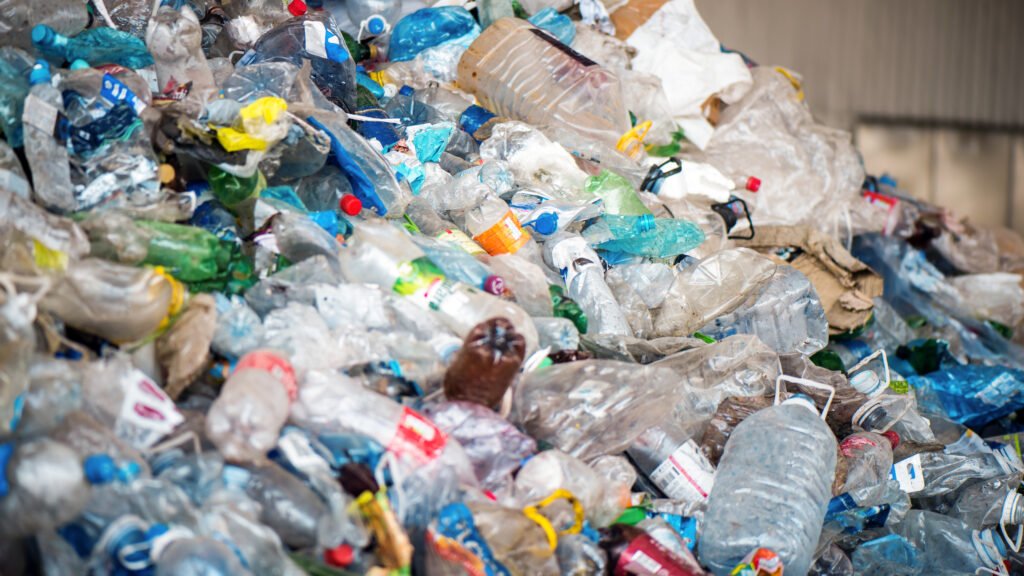
A typical mixed plastic waste stream may contain:
- PET bottles
- PP containers
- PE films
- PVC materials
- ABS components
- Other engineering plastics
Without proper separation, these materials can reduce the quality of recycled products and increase processing difficulties.
This is why professional plastic sorting solutions have become increasingly important. By separating materials according to polymer type, color, and surface characteristics, modern sorting systems help recycling facilities achieve higher purity levels and improve production efficiency.
Why Plastic Is Widely Used Across Modern Industries
The popularity of plastics comes from their ability to provide reliable performance while maintaining production efficiency.
One of the biggest advantages of plastics is their lightweight structure. Plastic products are often much lighter than metal or glass alternatives, which helps reduce transportation costs and energy consumption. This makes plastics especially valuable in industries such as automotive manufacturing and packaging.
Another important advantage is chemical resistance. Many plastics can withstand exposure to moisture, chemicals, and environmental conditions without corrosion. This makes them suitable for applications such as:
- Chemical containers
- Water systems
- Medical products
- Electrical components
- Industrial equipment
Plastics also provide excellent manufacturing flexibility. The same polymer can be transformed into different forms, including bottles, films, pipes, sheets, fibers, and complex industrial components.
However, the widespread use of plastics has also created new challenges. Large amounts of plastic waste enter recycling systems every year, and mixed plastic streams are becoming increasingly complex.
For recycling companies, the value of plastic waste depends heavily on purity. Recycling facilities process clean and correctly separated plastics into valuable recycled materials, while contaminated or mixed plastics often limit recycling options.
This is why modern plastic recycling depends not only on collection and processing but also on accurate sorting technology.
Different Types of Plastics and Their Common Applications
Companies involved in plastic processing and recycling need to understand different types of plastics. Although manufacturers create thousands of plastic formulations, most commercial plastic products come from several major polymer categories.
Each plastic type has different physical properties, applications, and recycling requirements. For recycling facilities, identifying these differences is critical because mixed plastics with similar appearances may require completely different processing methods.
Without accurate separation, valuable materials may lose quality, and recycling efficiency can be significantly reduced.
PET Plastic: A Common Material for Bottles and Packaging
PET (Polyethylene Terephthalate) is one of the most widely used and recycled plastics worldwide. It is commonly found in:
- Beverage bottles
- Food containers
- Packaging films
- Polyester fibers
PET is popular because it offers excellent transparency, strength, lightweight performance, and resistance to moisture. Recycled PET, also known as rPET, can be used to manufacture new bottles, packaging materials, textile fibers, and other products.
However, producing high-quality recycled PET requires effective sorting.
During recycling, PET materials often need to be separated according to:
- Polymer type;
- Color;
- Foreign material contamination;
- Final application requirements.
For example, clear PET flakes usually have higher commercial value than mixed-color flakes because they can be reused for more demanding applications.
One of the biggest challenges in PET recycling is contamination from other plastics. Materials such as PVC, PP, or other polymers may appear similar, but they can reduce recycled PET quality when sorting systems fail to separate them during the sorting process.
This is why many recycling facilities use advanced plastic sorting machines to identify PET materials and separate unwanted polymers with higher accuracy.
PE Plastic: Understanding HDPE and LDPE Recycling Challenges
Polyethylene (PE) is one of the most widely produced plastics in the world. It includes several forms, with HDPE (High-Density Polyethylene) and LDPE (Low-Density Polyethylene) being the most common.
HDPE Applications
HDPE is known for its strength and chemical resistance. Common applications include:
- Detergent bottles;
- Chemical containers;
- Milk containers;
- Industrial packaging.
LDPE Applications
LDPE is more flexible and is commonly used for:
- Plastic films;
- Shopping bags;
- Flexible packaging;
- Agricultural films.
Although HDPE and LDPE belong to the same plastic family, their physical structures are different, which affects recycling methods.
One challenge in PE recycling is separating rigid plastics from flexible materials. Film plastics can be lightweight, easily contaminated, and difficult to handle during processing.
For large-scale recycling operations, combining mechanical preparation with advanced sorting technology helps improve separation accuracy and material recovery.
PP Plastic: A Valuable but Difficult-to-Sort Polymer
PP (Polypropylene) is another important recyclable plastic used in many consumer and industrial products.
Common PP applications include:
- Bottle caps;
- Food containers;
- Automotive parts;
- Household products;
- Industrial packaging.
PP is valued for its durability, chemical resistance, and ability to withstand higher temperatures compared with many other common plastics.
However, PP recycling can be challenging because PP materials often have similar appearances to other plastics, especially PE. A white PP container and a white PE product may look almost identical but require different recycling processes.
Traditional manual sorting methods cannot always provide the accuracy required for industrial recycling.
Modern polymer sorting systems use technologies such as near-infrared (NIR) detection to identify differences between plastic materials based on their molecular characteristics. This allows recycling facilities to separate PP from other polymers and produce cleaner recycled materials.
PVC Plastic: Why Accurate Separation Is Important
PVC (Polyvinyl Chloride) is a highly versatile plastic used in construction, electrical products, medical applications, and industrial materials.
Common PVC applications include:
- Pipes and fittings;
- Cable insulation;
- Flooring materials;
- Medical tubing.
PVC provides excellent durability, chemical resistance, and long service life. However, it creates challenges during recycling because its chemical properties differ significantly from many packaging plastics.
One major issue is PVC contamination in PET recycling streams. PVC and PET can have similar appearances, making visual separation difficult. Even small amounts of PVC contamination can affect recycled PET quality during thermal processing, causing discoloration, reduced strength, and processing problems.
For recycling plants processing mixed plastic waste, accurately identifying and removing PVC is an important step in maintaining high-quality recycled materials.
Advanced plastic sorting technology helps overcome this challenge by detecting polymer differences that cannot be easily recognized through human inspection.
PS Plastic: Lightweight Material with Recycling Challenges
PS (Polystyrene) is widely used because of its lightweight structure and insulation properties.
Common applications include:
- Food containers;
- Protective packaging;
- Disposable products;
- Insulation materials.
PS can be produced in different forms, including rigid plastic products and expanded foam materials.
However, recycling PS can be difficult because:
- It has a low density;
- It is often contaminated after use;
- It may be mixed with other lightweight plastics.
Accurate identification is necessary when separating PS from other polymers in mixed plastic streams. Automated sorting systems help recycling facilities improve recovery rates and reduce material loss.
ABS and Engineering Plastics: High-Value Materials Requiring Advanced Sorting
Beyond common packaging plastics, many industries rely on engineering plastics that provide higher strength, heat resistance, and durability.
Common engineering plastics include:
- ABS (Acrylonitrile Butadiene Styrene);
- PC (Polycarbonate);
- PA (Polyamide/Nylon);
- PMMA (Acrylic).
These materials are widely used in:
- Automotive components;
- Electronics;
- Household appliances;
- Industrial equipment.
Engineering plastics often have higher recycling value compared with ordinary packaging plastics, but they are also more difficult to separate.
One major challenge is that many engineering plastics have similar colors and surface appearances. For example, black automotive plastic components may contain different polymer types that cannot be separated through visual inspection alone.
Traditional NIR sensors may also face limitations with some black plastics because carbon black pigments can absorb infrared light and reduce detection signals.
To address these challenges, modern sorting systems combine advanced optical sensors, AI recognition, and specialized detection technologies to identify and classify difficult materials more accurately.
Why Plastic Sorting and Recycling Are Challenging
Although plastics provide many benefits, recycling them efficiently remains a complex process.
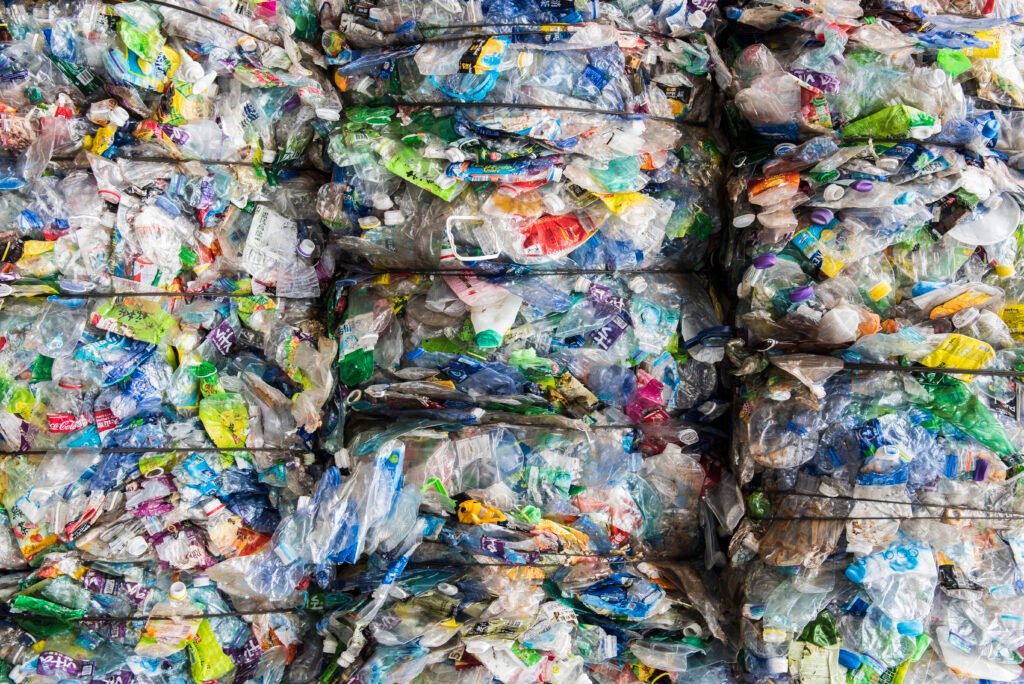
The main challenge is that plastic waste rarely arrives as a single material stream. Instead, recycling facilities often receive mixtures containing different polymers, colors, shapes, and contamination levels.
Many plastics look almost identical.
For example, a transparent PET bottle and another transparent plastic container may appear the same to the human eye, but their chemical structures can be completely different.
If these materials are mixed during recycling, the final recycled product may experience:
- Reduced quality;
- Lower market value;
- Processing difficulties;
- Limited application possibilities.
Contamination is another major challenge. Plastic waste may contain:
- Food residue;
- Labels and adhesives;
- Metal components;
- Dirt and moisture;
- Non-plastic materials.
These contaminants increase processing costs and reduce recycling efficiency.
Color separation is also important for many recycling applications. Clear, colored, and mixed plastic materials often have different market values, especially in PET and flake recycling.
Because of these challenges, modern recycling facilities increasingly rely on automated plastic sorting solutions. By combining optical cameras, NIR sensors, artificial intelligence, and precision rejection systems, these machines can identify different plastics and improve material recovery.
How Plastic Sorting Technology Improves Recycling Efficiency
As the demand for recycled plastics continues to grow, recycling companies face increasing pressure to produce cleaner materials with higher consistency. Collecting plastic waste is only the beginning of the recycling process. The real challenge is separating different polymers, removing contaminants, and recovering valuable materials efficiently.
Traditional sorting methods mainly depended on manual inspection and basic mechanical separation. While these methods can work for simple material streams, they become less effective when processing large volumes of mixed plastics.
Modern plastic sorting technology provides a more reliable solution by combining advanced sensors, artificial intelligence, and automated separation systems. These technologies allow recycling facilities to identify plastics based on their material characteristics instead of relying only on visual differences.
Optical Sorting Technology for Plastic Identification
Optical sorting is one of the most important technologies used in modern plastic recycling. Instead of manually checking each item, optical sorting systems analyze plastic materials as they move through a high-speed processing line.
Depending on the application, different detection technologies may be used, including:
- RGB color cameras for identifying visible color differences;
- Near-infrared (NIR) sensors for polymer recognition;
- Multispectral imaging for analyzing material characteristics;
- Artificial intelligence algorithms for improving identification accuracy.
During the sorting process, plastic materials pass through a detection area where sensors collect information from each individual piece. The system analyzes the collected data and determines whether the material matches the required category.
When unwanted materials are detected, precision air ejection systems quickly remove them from the product stream while keeping valuable plastics.
This automated process provides several advantages compared with manual sorting:
- Higher processing speed;
- More consistent sorting results;
- Reduced labor requirements;
- Improved material purity.
For recycling plants handling large quantities of PET bottles, plastic flakes, or mixed polymers, optical sorting has become an essential part of efficient production.
The Role of NIR Technology in Plastic Recycling
Near-infrared (NIR) technology is widely used in plastic recycling because different polymers have unique molecular structures that interact with infrared light differently.
When plastic materials pass through an NIR detection system, the equipment analyzes their spectral characteristics and identifies the polymer type.
This technology can help separate materials such as:
- PET from PP;
- PE from other polyolefin materials;
- ABS from PS;
- Different engineering plastics from mixed streams.
One of the biggest advantages of NIR sorting is that it can identify plastics with similar appearances.
For example, a recycling facility may receive white PP containers, white PE products, and other light-colored plastics mixed together. Although these materials may look almost identical, their molecular structures create different infrared responses.
NIR technology allows sorting equipment to recognize these differences and separate materials more accurately.
However, some applications require additional technologies. For example, black plastics containing carbon black pigments can be difficult for traditional NIR systems because carbon black absorbs infrared light and reduces the reflected signal.
To address these challenges, advanced sorting solutions may combine multiple detection methods, including improved optical sensors and AI-based recognition technologies.
AI-Based Plastic Sorting for More Accurate Material Recovery
Artificial intelligence has become an important development in modern recycling equipment. Compared with traditional sorting methods that depend on fixed detection rules, AI-based systems can analyze more complex information and improve recognition performance.
AI-powered sorting systems can evaluate characteristics such as:
- Material shape;
- Surface appearance;
- Color patterns;
- Transparency;
- Contamination conditions;
- Sorting data trends.
This allows recycling facilities to handle more complicated waste streams, including mixed plastics with irregular shapes or varying surface conditions.
For example, recycled plastic flakes may contain:
- Different colors;
- Labels or printing residue;
- Small contaminants;
- Partially damaged materials.
AI recognition technology helps sorting systems distinguish acceptable materials from unwanted objects, improving both purity and recovery rates.
For recycling businesses, better sorting accuracy can provide several benefits:
- Higher-quality recycled materials;
- Reduced valuable material loss;
- Improved production stability;
- Better competitiveness in recycled plastic markets.
As recycling requirements become stricter, intelligent sorting technology is becoming an increasingly important investment for companies seeking long-term growth.
Different Plastic Sorting Solutions for Different Applications
Not every recycling facility processes the same type of plastic waste. The ideal sorting solution depends on the material characteristics, production capacity, and required output quality.
A company recycling PET bottles may require different technology compared with a facility processing engineering plastics or mixed plastic flakes.
Understanding application requirements is an important step before selecting a plastic sorting machine.
Plastic Bottle Sorting
Plastic bottle recycling commonly focuses on separating PET, HDPE, and PP materials.
A typical sorting process may involve:
- Separating PET bottles from other polymers;
- Removing incorrect colors;
- Identifying non-target materials;
- Improving final flake quality.
For example, clear PET bottles usually have higher recycling value than mixed-color materials because they can be reused for higher-quality applications.
Efficient bottle sorting helps recycling companies produce cleaner raw materials and improve the economic value of recovered plastics.
Plastic Flake Sorting
Recycling facilities crush and wash plastic waste to produce plastic flakes, then use flake sorting technology for PET recycling, PP recycling, and mixed plastic recycling operations.
Because flakes are small, lightweight, and irregular in shape, manual sorting becomes almost impossible at industrial production speeds.
Automated plastic flake sorting systems can inspect large quantities of material and separate:
- Different polymer types;
- Different colors;
- Foreign particles;
- Contaminated flakes.
High-quality recycled flakes are more valuable because manufacturers can use them in applications that require better material consistency.
Engineering Plastic Sorting
Recycling companies commonly recover engineering plastics such as ABS, PC, PA, and PMMA from automotive waste, electronic equipment, and industrial products.
These materials often have higher economic value than ordinary packaging plastics, but they are more challenging to separate.
The main difficulties include:
- Similar colors between different polymers;
- Complex product structures;
- Black plastic components;
- Mixed material sources.
Advanced sorting technology allows recycling facilities to recover these valuable materials more effectively instead of losing them in mixed waste streams.
How to Choose the Right Plastic Sorting Machine
Selecting a plastic sorting machine requires more than comparing equipment price or processing capacity. Recycling companies should evaluate several key factors to ensure the solution matches their actual production needs.
Understand Your Plastic Materials
The first step is identifying what types of plastics need to be sorted.
Important questions include:
- What polymers are present in the incoming material?
- Are materials mainly bottles, flakes, pellets, or mixed waste?
- What purity level is required for the final product?
Different materials require different detection technologies. A system designed for PET bottle sorting may not provide the same performance for engineering plastic recycling.
Consider Sorting Accuracy and Recovery Rate
A high-performance sorting system should remove unwanted materials while maintaining a high recovery rate.
Maximum purity is important, but excessive rejection of usable plastics can reduce profitability.
Therefore, recycling operators should consider the balance between:
- Product purity;
- Material recovery;
- Processing speed;
- Operating costs.
The best sorting solution is not always the one with the highest rejection capability, but the one that provides stable performance based on the specific recycling application.
Evaluate Future Processing Requirements
The plastic recycling market continues to change. Many companies are expanding from single-material recycling into multiple plastic categories to improve business flexibility.
A sorting system with adaptable technology can help facilities process different materials in the future, including:
- PET;
- PP;
- PE;
- Engineering plastics;
- Mixed polymer streams.
Investing in flexible sorting technology allows recycling companies to respond more easily to changing market demands.
The Future of Plastic Recycling and the Importance of Advanced Sorting Solutions
The demand for recycled plastics continues to increase as manufacturers and recycling companies focus on improving resource efficiency and reducing dependence on virgin materials. However, producing high-quality recycled plastic requires more than collecting waste. The entire recycling process depends on accurate material identification, efficient separation, and stable output quality.
As plastic applications continue to expand, recycling facilities are facing increasingly complex material streams. Modern plastic waste may contain packaging materials, automotive components, electronic plastics, and engineering polymers mixed together. These materials often have different recycling requirements, even when they appear similar.
This is why advanced plastic sorting solutions have become an essential part of modern recycling operations. By combining sensor-based detection, intelligent recognition, and automated separation, these systems help recycling companies recover more valuable materials and produce recycled plastics with improved purity.
Why Plastic Sorting Machines Are Essential for Modern Recycling Businesses
The plastic recycling industry is moving toward higher standards for recycled material quality. Many manufacturers now require recycled plastics with consistent performance, low contamination levels, and stable supply.
For recycling companies, simply collecting and processing mixed plastic waste is no longer enough. The ability to separate different polymers accurately directly affects product quality, operating efficiency, and business profitability.
A professional plastic sorting machine helps recycling facilities solve several key challenges.
Improving Recycled Plastic Purity
The purity of recycled plastic directly influences its market value and possible applications.
For example, recycled PET used for high-quality applications requires effective removal of:
- Different polymer materials;
- Incorrect colors;
- Foreign particles;
- Non-plastic contaminants.
Even a small amount of unwanted material can affect the performance and appearance of recycled products.
Advanced sorting equipment helps identify and remove these materials before they enter the next processing stage, allowing recycling plants to produce cleaner and more consistent output.
Modern sensor-based sorting systems can analyze materials based on characteristics such as polymer type, color, and surface properties. This provides a more reliable solution compared with manual sorting methods.
Increasing Recycling Efficiency and Production Capacity
Large recycling facilities often process thousands of kilograms of plastic materials every hour. Manual sorting cannot provide the speed, accuracy, and consistency required for modern production.
Automated sorting systems improve efficiency by continuously inspecting materials and removing unwanted objects at high speed.
The benefits include:
- Faster processing speed;
- Reduced dependence on manual labor;
- More stable production quality;
- Improved operational efficiency.
For example, plastic flakes generated after crushing and washing contain thousands of individual pieces that may vary in polymer type and color. Automated sorting technology can inspect these materials quickly and separate target plastics from unwanted materials.
Reducing Valuable Material Loss
One of the biggest challenges in plastic recycling is balancing purity and recovery rate.
A sorting system that removes too much material may achieve high purity but reduce the amount of usable plastic recovered. On the other hand, insufficient separation may produce low-quality recycled materials.
A well-designed plastic sorting solution focuses on achieving the right balance between:
- High material purity;
- Maximum recovery rate;
- Stable operation;
- Cost-effective processing.
Advanced detection technologies allow recycling companies to remove unwanted materials while keeping more valuable plastics in the final product stream.
How Recycling Companies Can Prepare for Future Plastic Challenges
The plastic recycling market is constantly changing. New materials, stricter quality requirements, and increasing demand for recycled content are creating new challenges for recycling operators.
Companies investing in recycling equipment should consider not only current production needs but also future flexibility.
A modern sorting system should be capable of adapting to different material streams, including:
- PET bottles and flakes;
- PP and PE materials;
- Mixed plastic waste;
- Engineering plastics;
- Plastic pellets.
A flexible system allows companies to expand their recycling capabilities without replacing equipment when market conditions change.
For example, a facility that currently processes PET bottles may later enter PP flake recycling or engineering plastic recovery. A sorting solution with advanced recognition capabilities can provide greater long-term value.
Choosing the Right Plastic Sorting Solution for Your Application
Selecting the right equipment requires more than comparing machine price or processing capacity. Recycling companies should evaluate several important factors before making an investment.
Understand Your Input Materials
The first step is identifying the exact type of plastic materials that need to be processed.
Important questions include:
- What polymers are present in the incoming waste?
- Are materials mainly bottles, flakes, pellets, or mixed plastics?
- What purity level is required for the final recycled product?
Different applications require different detection technologies.
For example:
- PET bottle recycling may focus on polymer and color separation;
- Plastic flake recycling may require high-speed identification of small particles;
- Engineering plastic recycling may require more advanced material recognition.
Understanding the material stream helps companies select a more suitable sorting solution.
Evaluate Sensor Technology and Sorting Performance
Different plastic sorting machines use different sensor configurations depending on their applications.
Important technologies may include:
Optical Color Detection
Color cameras help identify visible differences between materials. This technology is commonly used for separating plastics based on color characteristics.
Near-Infrared (NIR) Detection
NIR technology identifies plastics according to their molecular characteristics. It is widely used for separating different polymer types that look similar.
AI-Based Recognition
Artificial intelligence helps improve recognition accuracy when processing complex materials with different shapes, colors, and surface conditions.
The right combination of technologies depends on the type of plastic being processed and the required output quality.
FAQs About Plastic and Plastic Sorting
What are the most common types of plastics?
The most common commercial plastics include PET, PE, PP, PVC, PS, ABS, and other engineering plastics.
PET manufacturers use this polymer extensively for beverage bottles and packaging, while companies use PE and PP in containers, films, and industrial products. Industries rely on engineering plastics such as ABS and PC for automotive, electronics, and industrial applications.
Each plastic type has different properties, which is why accurate identification and separation are important during recycling.
Why is plastic recycling difficult?
Plastic recycling is challenging because different polymers often look similar but have different chemical structures and processing requirements.
Mixed plastic waste may contain multiple materials, colors, additives, and contaminants. Without proper separation, recycled materials may have reduced quality and limited applications.
Advanced plastic sorting technology helps overcome these challenges by identifying materials based on their characteristics rather than appearance alone.
Can plastic sorting machines separate different polymers?
Yes. Modern plastic sorting machines can separate different polymer types by using technologies such as NIR detection, optical imaging, and AI recognition.
Depending on the system configuration, recycling facilities can sort materials such as PET, PP, PE, ABS, PS, and other engineering plastics.
What should companies consider before buying a plastic sorting machine?
Before investing in sorting equipment, companies should evaluate:
- The types of plastics being processed;
- Required processing capacity;
- Target purity level;
- Available sensor technologies;
- Future expansion requirements.
Choosing the right sorting solution helps improve recycling efficiency and reduce long-term operating costs.
Summary
Plastic has become an essential material because of its flexibility, durability, and wide range of applications. However, the increasing complexity of plastic waste creates new challenges for recycling companies.
Understanding different plastic types helps businesses make better decisions about collection, processing, and sorting. From PET bottles and PP containers to ABS and other engineering plastics, every material requires an appropriate separation strategy.
For modern recycling facilities, investing in advanced plastic sorting technology is not only about improving current production efficiency but also preparing for future market demands.
With accurate detection, intelligent recognition, and reliable separation performance, professional sorting systems help companies recover more valuable plastics, improve recycled material quality, and build more efficient recycling operations.
PolySorter provides advanced sensor-based sorting solutions for different plastic recycling applications, helping recycling operators improve material purity, increase recovery rates, and optimize production processes. Whether processing bottles, flakes, pellets, or mixed polymers, selecting the right plastic sorting solution is a critical step toward achieving long-term recycling success.