Polypropylene (PP) is one of the most widely used plastics in the world. From yogurt cups and takeaway containers to automotive parts, bottle caps, woven bags, and flexible packaging, PP plays a critical role across consumer and industrial markets. As governments introduce stricter recycled-content mandates and brands commit to circular packaging goals, demand for recycled polypropylene (rPP) continues to accelerate.
Recycled polypropylene is increasingly used in food packaging, automotive applications, household products, logistics packaging, and consumer goods, making it one of the fastest-growing recycled polymers worldwide. However, many recyclers find that PP recycling is significantly more challenging than PET recycling. While PET bottle recovery has benefited from relatively standardized packaging formats and mature collection systems, polypropylene enters recycling facilities in far more diverse forms and often carries higher levels of contamination.
This is why advanced NIR (Near-Infrared) sorting technology has become essential for modern PP recycling operations. By accurately identifying polypropylene, removing contaminants, and supporting the production of food-grade recycled PP, NIR sorting systems help recyclers unlock higher-value markets while improving overall process efficiency.
Why Polypropylene Recycling Is More Complex Than PET Recycling
PET bottles typically enter recycling streams through well-established collection and deposit systems. Most PET packaging follows similar designs, applications, and recycling pathways, creating a relatively predictable feedstock for processors.
Polypropylene presents a very different challenge.
PP is used in a broad range of products, including:
- Food trays and tubs
- Yogurt containers
- Margarine containers
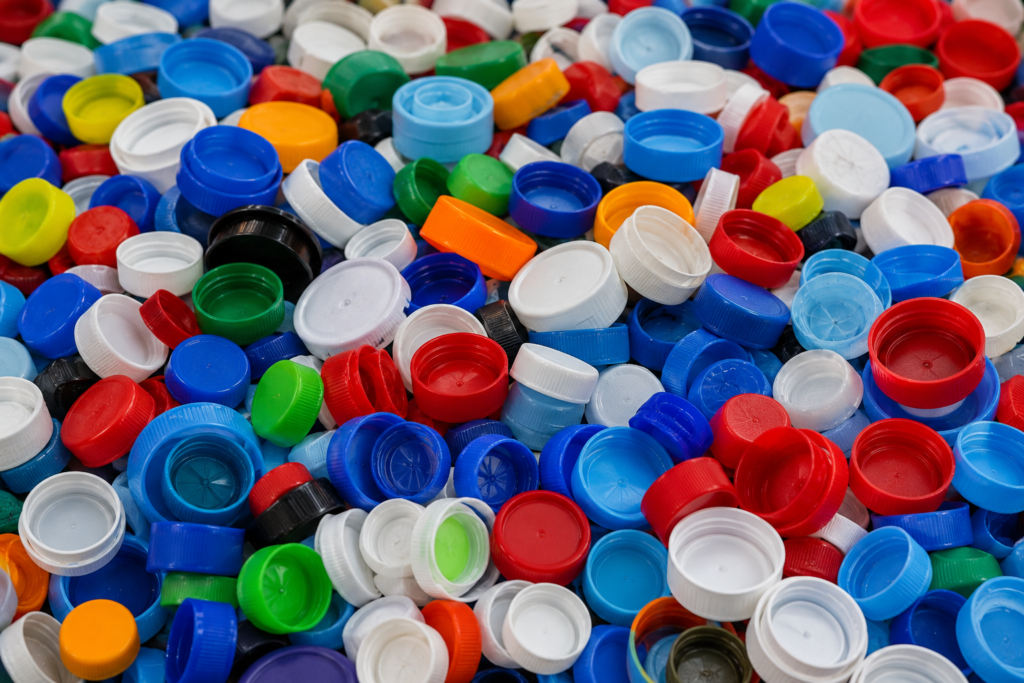
- Bottle caps and closures
- Microwaveable meal packaging
- Woven sacks and bags
- Household products
- Automotive components
- Flexible packaging films
- Industrial packaging
This diversity creates significant sorting difficulties. Unlike PET bottles, PP often arrives mixed with multiple polymer types, labels, inks, fillers, additives, and organic contamination. Municipal collection systems frequently combine rigid PP packaging with PE films, multilayer materials, and non-packaging plastics, making accurate separation far more difficult.
As a result, producing premium recycled PP requires more sophisticated identification and purification technologies than many conventional recycling systems can provide.
Why PP Recycling Is Harder Than PET: A Quick Comparison
| Packaging Variety | Relatively standardized | Extremely diverse |
| Food Contamination | Moderate | High |
| Multi-Layer Packaging | Less common | Widely used |
| Black Plastic Usage | Limited | Common |
| Polyolefin Contamination | Low | High |
| Food-Grade Traceability | Easier | More complex |
| Sorting Complexity | Moderate | High |
These differences explain why advanced sensor-based sorting has become increasingly important for polypropylene recycling facilities seeking premium material markets.
Understanding PP Spectral Properties and the Role of NIR Sorting
The foundation of modern plastic recycling is accurate material identification.
Near-Infrared (NIR) sorting systems identify plastics by analyzing how materials reflect specific wavelengths of infrared light. Every polymer has a unique molecular structure, which creates a distinct spectral fingerprint.
Polypropylene possesses identifiable NIR spectral characteristics that allow advanced sensors to distinguish it from other materials. However, PP’s spectral signature is relatively close to other polyolefins commonly found in recycling streams.
When polypropylene enters mixed waste streams, it is often co-mingled with:
- HDPE and LDPE
- PE films
- Composite containers
- Talc-filled plastics
- Multilayer packaging
- Highly printed packaging
To the human eye, many of these materials appear similar. Without advanced spectral analysis, contamination can easily enter recycled PP fractions and reduce material value.
Modern NIR sorters use high-resolution spectrometers, hyperspectral imaging technology, and AI-assisted classification algorithms to identify subtle differences between polymer signatures. This enables recyclers to separate polypropylene accurately, even when packaging colors, shapes, or printed graphics vary significantly.
The result is a cleaner PP stream that can move efficiently into washing, grinding, and pelletizing processes.
The Carbon Black Challenge: Why Black PP Is Difficult to Sort
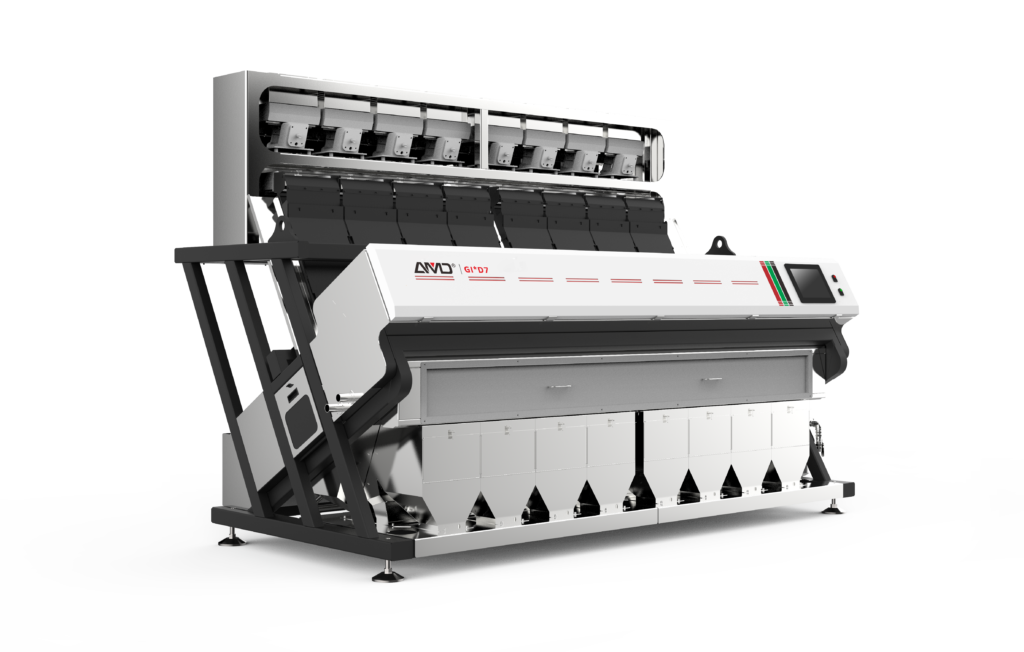
One of the most discussed challenges in polypropylene recycling involves black plastics.
Many PP food trays, appliance components, and automotive parts contain carbon black pigments. While carbon black provides excellent UV resistance and aesthetic characteristics, it creates a major obstacle for traditional NIR sorting systems.
Carbon black absorbs most near-infrared radiation rather than reflecting it. As a result, standard NIR sensors receive little to no usable spectral information from black plastics, rendering them virtually invisible on the sorting conveyor. For years, this limitation caused large volumes of black polypropylene to be lost to landfill or energy recovery.
Fortunately, sorting technology continues to evolve.
Modern recycling facilities increasingly utilize:
- Mid-Wave Infrared (MWIR) systems
- Hyperspectral imaging technologies
- Thermal and thermographic imaging solutions
- AI-assisted classification systems
- NIR-detectable black colorants integrated during packaging production
These innovations significantly improve the recovery of black polypropylene and help recyclers capture valuable materials that were previously difficult or impossible to sort automatically.
As demand for recycled plastics grows, improving black plastic recovery is becoming an increasingly important part of circular economy strategies.
Food Residue: A Major Obstacle in PP Recycling
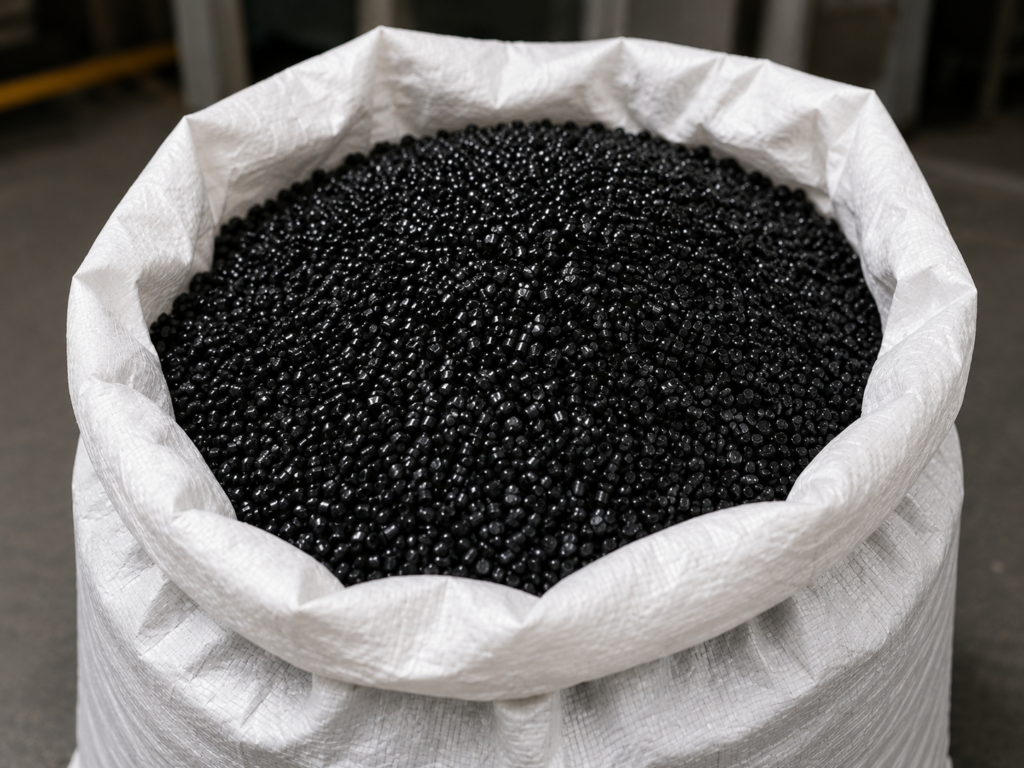
Another reason PP recycling is more difficult than PET recycling is its strong association with food packaging.
Yogurt cups, butter tubs, ready-meal trays, deli containers, and takeaway packaging frequently enter recycling streams with food residue still attached.
This contamination creates several operational challenges.
Increased Processing Costs
Heavily contaminated material requires more intensive washing, which increases water consumption, chemical use, energy usage, and overall operating costs.
Reduced Material Quality
Organic contamination can lead to unpleasant odors, discoloration, and inconsistent physical properties in the final recycled resin.
Sorting Interference
Food residue can physically mask polymer surfaces, reducing identification accuracy for lower-performance sorting systems.
Lower Market Value
Premium buyers of recycled PP enforce strict contamination limits. Even minor organic residues can significantly affect material pricing and market acceptance.
Advanced NIR sorting helps address these challenges by removing non-PP materials and heavily contaminated fractions before the washing stage. By concentrating genuine polypropylene into dedicated streams early in the process, recyclers improve washing efficiency while reducing downstream processing costs.
Multi-Layer Packaging Creates Additional Separation Challenges
Modern packaging design increasingly relies on multi-layer structures to improve shelf life, durability, and barrier performance.
Examples include:
- Snack packaging
- Food pouches
- Retort packaging
- Flexible films
- Consumer goods packaging
These structures often combine polypropylene with other materials such as:
- PE (Polyethylene)
- PET (Polyethylene Terephthalate)
- EVOH (Ethylene Vinyl Alcohol)
- Polyamide (Nylon)
- Aluminum foil
- Specialty barrier layers
While these combinations improve product protection, they complicate mechanical recycling.
Even when PP represents the majority of a package, additional composite layers can negatively affect recycled resin quality. Traditional mechanical separation methods often struggle to identify these structures consistently.
Advanced NIR sorting systems equipped with hyperspectral imaging can detect subtle variations in spectral signatures that indicate the presence of barrier materials or non-PP layers. This allows recyclers to divert problematic composite packaging away from premium polypropylene streams, ensuring higher-purity output and more stable recycled resin performance.
Why Purity Matters in Recycled PP Markets
As recycled polypropylene applications become more demanding, purity requirements continue to increase.
While some industrial applications can tolerate minor polymer cross-contamination, premium packaging, automotive, and household products typically require purity levels exceeding 99%, with less than 1% total contamination. Even for general-purpose recycled PP, achieving 95% to 98% purity is often considered the minimum commercial benchmark.
Even small amounts of contamination from PET, PVC, PS, or multilayer packaging can create severe processing problems during extrusion and molding, including:
- Melt defects and bubbling
- Color inconsistencies
- Mechanical property degradation
- Surface imperfections
- Regulatory compliance issues
Higher purity translates directly into higher market value.
For recyclers, sorting performance is no longer simply an operational metric—it has become a major driver of profitability.
How NIR Sorting Enables Food-Grade Recycled PP
Food-contact recycled polypropylene represents one of the fastest-growing segments of the plastics recycling industry.
Major consumer brands are investing heavily in food-grade rPP to meet sustainability commitments and recycled-content targets. However, achieving food-contact approval requires exceptionally strict feedstock control.
Regulatory authorities such as the FDA and EFSA require recyclers to demonstrate effective feedstock traceability, contamination control, and decontamination performance before recycled materials can enter food-contact applications.
One of the biggest challenges is that a PP yogurt container and a PP shampoo bottle share essentially the same polymer signature. Traditional polymer identification alone cannot distinguish between them.
To overcome this challenge, advanced recycling facilities are increasingly deploying multi-sensor sorting systems that combine:
- High-resolution NIR technology to identify the base polymer
- AI-powered machine vision and shape recognition
- Packaging format classification
- Digital watermark technologies such as the HolyGrail 2.0 initiative
- Invisible molecular marker systems and fluorescent tracers
These technologies help recyclers separate food-contact packaging from non-food packaging more accurately and create cleaner, traceable feedstock streams.
After these advanced sorting stages, the verified material proceeds through washing, flake purification, extrusion, and decontamination processes, ultimately producing high-performance recycled polypropylene suitable for demanding food-contact applications.
Real-World Applications for NIR PP Sorting
Today, NIR sorting technology plays a central role in numerous polypropylene recycling operations, including:
- Municipal Materials Recovery Facilities (MRFs)
- Household packaging recycling plants
- Post-consumer plastics recycling facilities
- Polyolefin recovery and compounding lines
- Food packaging recycling operations
- Commercial and industrial waste processing facilities
These facilities rely on NIR sorting to recover valuable polypropylene from increasingly complex waste streams while maintaining high throughput and consistent purity levels.
As packaging designs continue to evolve, multi-sensor sorting systems are becoming a critical competitive advantage for recyclers seeking access to premium material markets.
The Future of PP Recycling Depends on Better Sorting
Polypropylene recycling is entering a period of rapid expansion. Rising regulatory pressure, growing consumer demand for sustainable packaging, and increasing recycled-content targets are all driving demand for high-quality recycled PP.
However, higher collection volumes alone will not solve the industry’s challenges. The real opportunity lies in producing cleaner, more consistent, and higher-value polypropylene streams.
Advanced NIR sorting technology—combined with hyperspectral imaging, AI-powered vision systems, and multi-sensor identification platforms—is helping recyclers achieve exactly that. By accurately identifying polypropylene and overcoming challenges associated with black plastics, food contamination, and multilayer packaging, modern sorting systems enable the production of premium recycled materials that meet increasingly demanding market requirements.
Whether you process post-consumer packaging, rigid PP containers, or mixed polyolefin streams, advanced sorting solutions can significantly improve purity, recovery rates, and product value. PolySorter’s NIR and AI-powered sorting technologies help recyclers recover cleaner polypropylene fractions, maximize material value, and meet the growing demand for high-quality recycled plastics.
If you are planning to upgrade your PP recycling line or improve recycled polypropylene purity, contact PolySorter to discuss the most suitable sorting solution for your operation.
FAQs
Can NIR sorting separate polypropylene from polyethylene?
Yes. Modern NIR sorting systems can distinguish polypropylene (PP) from polyethylene (PE) by analyzing their unique spectral signatures. Advanced systems achieve high accuracy even in mixed polyolefin streams.
Can NIR sort black polypropylene?
Traditional NIR systems struggle with carbon-black plastics because carbon black absorbs infrared light. Modern facilities address this challenge using MWIR technology, hyperspectral imaging, thermographic sensors, and NIR-detectable black colorants.
What purity level is required for food-grade recycled PP?
Requirements vary by application and regulatory framework. In general, food-grade recycled PP requires highly controlled input streams, excellent traceability, strict contamination control, and very high purity levels before decontamination processing.
Can NIR identify multilayer polypropylene packaging?
Yes. Advanced hyperspectral NIR systems can detect packaging structures that differ from pure polypropylene and identify the presence of non-PP barrier layers such as EVOH, PET, or polyamide.
What industries use recycled polypropylene?
Recycled polypropylene is widely used in food packaging, household products, automotive components, logistics packaging, industrial products, consumer goods, and construction materials.
Why is PP recycling considered more difficult than PET recycling?
PP appears in a much wider variety of packaging formats and product types. Food contamination, multilayer barrier structures, black pigments, and mixed polyolefin streams all make identification and purification considerably more complex than traditional PET bottle recycling.