The recycling industry is facing a major challenge: how to recover more valuable materials while reducing unnecessary waste during processing. For recycling companies, collecting waste materials is only the first step. The real challenge is producing clean, high-quality recycled materials that meet the requirements of downstream manufacturers.
Traditional sorting methods often struggle when processing large volumes of mixed materials. Manual sorting depends heavily on labor availability and human judgment, while mechanical separation methods may not accurately distinguish materials with similar physical characteristics. As a result, valuable recyclable materials can be lost, and contaminated materials may reduce the quality and market value of recycled products.
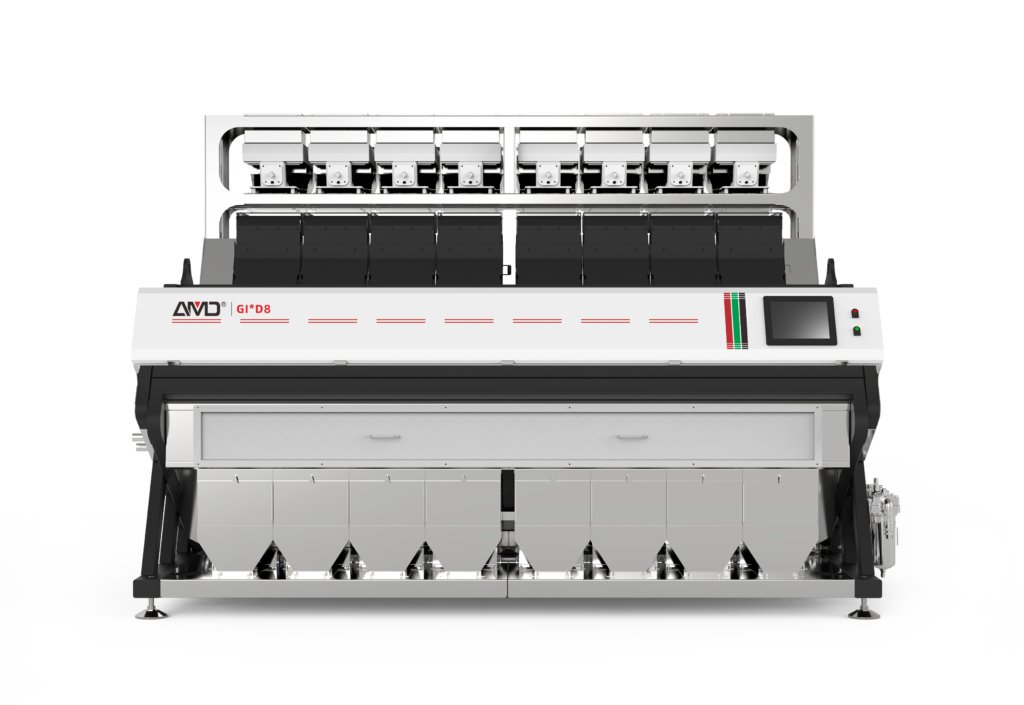
This is why Optical Sorting Machines are becoming an important technology for modern recycling operations. By combining high-resolution cameras, advanced sensors, artificial intelligence algorithms, and automated rejection systems, optical sorting equipment can identify differences between materials and separate unwanted items with high precision.
For plastic recycling plants, this technology provides an effective solution to one of the biggest industry challenges: material contamination. Different polymers such as PET, PP, PE, PVC, ABS, and PS may appear similar but require different recycling processes. Accurate identification helps companies recover more usable materials, improve recycled product quality, and reduce the amount of waste sent to disposal.
Modern recycling facilities are no longer focused only on increasing processing volume. The goal has shifted toward improving recovery efficiency, maintaining consistent material quality, and increasing the profitability of recycling operations. Whether processing plastic bottles, flakes, pellets, or mixed polymer streams, the performance of the sorting system directly influences production efficiency and final product value.
What Is an Optical Sorting Machine and Why Is It Important for Recycling?
An optical sorting machine is an automated separation system that uses optical sensors and intelligent software to identify and classify different materials. Unlike traditional sorting methods that mainly rely on manual inspection, size differences, or weight separation, optical sorting technology analyzes the visual and spectral characteristics of individual materials during the production process.
During operation, materials move through a conveyor belt or gravity-fed sorting channel and pass through a detection area equipped with high-resolution cameras and specialized sensors. The system captures information such as color, shape, transparency, and material composition. Intelligent algorithms then analyze the collected data and determine whether each item matches the required sorting criteria.
When unwanted materials are detected, high-speed pneumatic ejectors release a precise burst of compressed air to remove the rejected items from the material stream. The target materials continue through the production line, helping recycling facilities maintain higher recovery rates and cleaner output quality.
For plastic recycling applications, near-infrared (NIR) technology plays an important role because different polymers have different spectral responses. Even when two plastics look almost identical to the human eye, NIR sensors can identify their molecular differences and separate them accurately.
Combined with color recognition technology, optical sorting systems can handle a wide range of recycling applications, including:
- PET bottle and PET flake sorting;
- PP and PE plastic separation;
- Mixed plastic classification;
- Engineering plastic sorting;
- Color-based plastic separation.
The importance of optical sorting technology comes from its ability to reduce contamination and improve material recovery. In recycling operations, even a small amount of incorrect material can affect the quality of recycled products. For example, PVC contamination in PET flakes or mixed polymers in recycled plastics may reduce processing performance and limit final applications.
By automatically detecting and removing these unwanted materials, optical sorting machines help recycling companies create cleaner material streams, reduce material losses, and improve the commercial value of recycled products.
How Optical Sorting Machines Help Reduce Waste in Recycling Processes
The purpose of recycling is not simply to collect discarded materials but to recover them efficiently and return them into the production cycle. However, a significant amount of recyclable material can still become waste when sorting systems cannot separate materials accurately.
Optical Sorting Machines help reduce waste in recycling by improving recovery rates, reducing contamination, and increasing sorting consistency. Instead of relying entirely on manual inspection, automated sorting systems can analyze thousands of materials continuously and make separation decisions within milliseconds.
Improving Material Recovery Rates
One of the biggest advantages of optical sorting technology is its ability to recover valuable materials that may otherwise be lost during recycling.
In mixed plastic waste streams, different materials often appear similar. Transparent plastics, colored plastics, and different polymer types can easily be confused during manual sorting. When incorrect materials enter the recycling process, they may reduce product quality or be removed as waste during later processing stages.
Optical sorting equipment solves this problem by identifying material characteristics beyond human vision. NIR sensors can detect polymer differences, while optical cameras can recognize color variations, surface conditions, and foreign materials.
For recycling plants, this means more valuable materials can be recovered from the same amount of collected waste. Higher recovery rates help companies:
- Reduce unnecessary material loss;
- Increase production output;
- Improve recycled material quality;
- Maximize the value of collected waste.
For example, a plastic recycling facility processing PET flakes can use optical sorting technology to remove unwanted colors, non-PET materials, and contaminants before final production. This improves the purity of recycled PET and increases its suitability for demanding applications.
Reducing Contamination in Recycled Materials
Material contamination remains one of the biggest obstacles affecting recycling efficiency. Even when collected materials are technically recyclable, incorrect separation can reduce their usability and prevent them from entering high-value recycling applications.
For example, PET flakes contaminated with PVC, other polymers, or foreign materials may fail to meet the quality requirements of manufacturers using recycled PET. Similarly, mixed-color plastics can reduce the consistency of recycled products and increase the need for additional processing.
Optical Sorting Machines help recycling facilities control contamination by identifying unwanted materials before they affect the final product quality. Through a combination of optical sensors, NIR detection, and intelligent recognition algorithms, these systems can separate target materials from impurities with greater accuracy than traditional sorting methods.
Cleaner recycled materials provide several advantages:
- Higher market value for recycled products;
- Reduced processing losses;
- Improved production consistency;
- Better compatibility with downstream manufacturing processes.
For plastic recycling companies, improving material purity is not only an environmental goal but also a business requirement. Higher-quality recycled plastics are easier to sell, have wider application possibilities, and can help companies compete in markets where customers require stable material performance.
By removing contaminants earlier in the recycling process, optical sorting technology allows companies to use more of their collected materials instead of losing valuable resources during production.
How Optical Sorting Machines Improve Recycling Profitability
Reducing waste is closely connected with improving the profitability of recycling operations. A recycling plant does not generate value simply by processing more waste; it creates value by recovering more usable materials with consistent quality.
This is where optical sorting technology provides a measurable advantage.
Increasing the Value of Recycled Materials
The quality of recycled materials directly affects their selling price. Low-purity recycled plastics may only be suitable for limited applications, while cleaner materials can be used in more demanding manufacturing processes.
By accurately separating different polymers and removing unwanted materials, optical sorting systems help recycling companies produce higher-quality outputs, including:
- Cleaner PET flakes for bottle-to-bottle recycling;
- Higher-purity PP and PE materials;
- Better-separated engineering plastics;
- More consistent recycled pellets.
Improved material quality allows recycling companies to move from simple waste processing toward higher-value material recovery.
Reducing Labor Dependence and Operating Costs
Manual sorting has long been used in recycling plants, but it becomes increasingly challenging as processing volumes grow. Large amounts of mixed plastics require continuous inspection, and human sorting performance can vary depending on workload, experience, and operating conditions.
Optical sorting machines provide stable sorting performance throughout production. They can operate continuously, reduce manual inspection requirements, and help recycling plants handle larger material volumes with fewer interruptions.
For businesses managing long-term recycling operations, automation can improve production efficiency while reducing the challenges associated with labor availability and inconsistent sorting results.
Improving Production Stability
Recycling facilities often process materials from different sources, which means input quality can change over time. A sorting system that performs well under one condition may struggle when material composition changes.
Modern optical sorting solutions are designed to handle complex material streams by combining different detection technologies. Color cameras, NIR sensors, and intelligent recognition systems work together to maintain stable sorting performance across different applications.
This flexibility helps recycling companies maintain consistent output quality and reduce unexpected production losses.
Plastic Materials That Can Be Sorted by Optical Technology
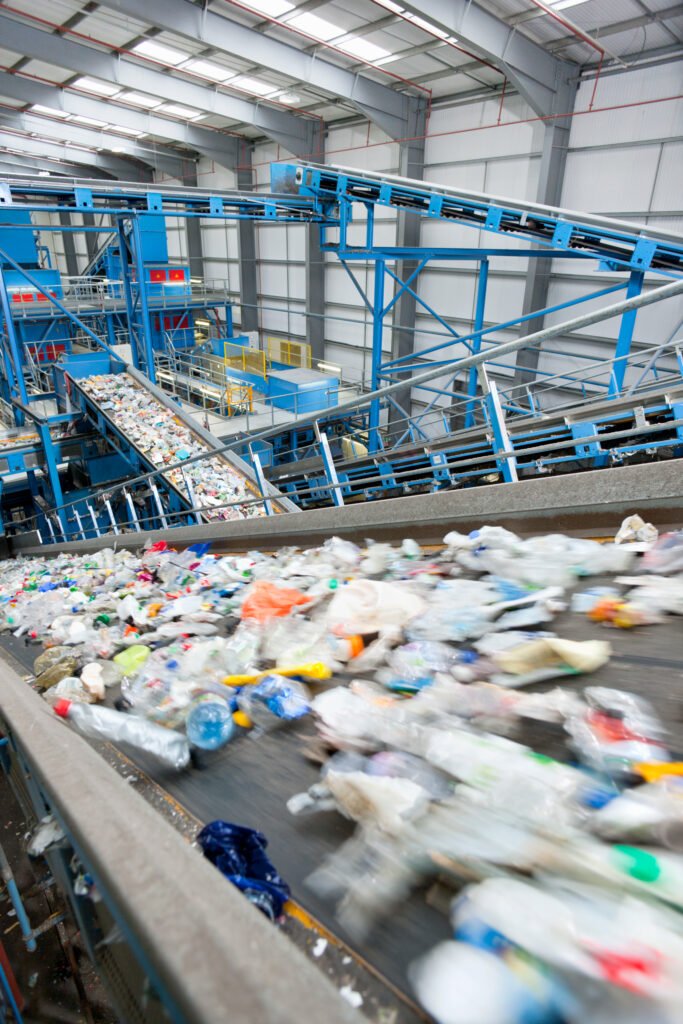
Plastic recycling involves many different material types, each with unique sorting challenges. A suitable optical sorting system should match the characteristics of the materials being processed.
Modern optical sorting machines are commonly used for the following applications:
| Plastic Material | Sorting Challenge | Suitable Sorting Technology |
| PET flakes | Color differences, polymer contamination, foreign materials | Color sorting + NIR identification |
| PP and PE plastics | Similar appearance and difficult separation | NIR polymer recognition |
| PVC materials | Risk of contamination in other plastic streams | NIR detection |
| ABS and PS plastics | Engineering plastic classification | NIR + AI recognition |
| Mixed plastics | Complex material composition | Multi-sensor optical sorting |
PET Flake Sorting
PET recycling is one of the most common applications for optical sorting technology. After crushing and washing, PET flakes may still contain different colors, labels, caps, or non-PET materials.
Optical sorting equipment can identify these differences and separate unwanted materials to improve PET purity.
PP and PE Sorting
PP and PE are widely used in packaging applications, but their similar appearance makes separation difficult through traditional methods.
NIR-based sorting technology allows recycling plants to distinguish these polymers based on their spectral characteristics rather than appearance alone.
Engineering Plastic Sorting
Engineering plastics such as ABS and PS often have higher commercial value but require accurate separation. Optical sorting systems combined with advanced recognition algorithms help recycling companies recover these materials from mixed plastic streams.
According to the plastic sorting applications covered in the PolySorter equipment range, modern sensor-based sorting solutions can be configured for different polymer streams, including PET flakes, mixed plastics, engineering plastics, and other recycling materials.
Choosing the Right Optical Sorting Machine for Recycling Operations
Selecting an optical sorting machine requires more than comparing processing capacity or equipment price. The right solution should match the specific materials, production conditions, and quality targets of each recycling facility.
Material Type and Sorting Requirements
The first consideration is the material being processed.
Different applications require different detection methods. A PET flake recycling line may focus on color separation and polymer purity, while mixed plastic recycling may require stronger NIR identification capabilities.
Before choosing equipment, recycling companies should evaluate:
- Type of plastics being processed;
- Required purity level;
- Target contaminants;
- Final application of recycled materials.
A clear understanding of sorting objectives helps ensure that the equipment configuration matches actual production needs.
Processing Capacity and Production Efficiency
Throughput is another important factor. A recycling plant with high production volumes requires equipment that can maintain stable sorting accuracy while handling continuous material flow.
However, maximum capacity should not be the only consideration. A properly selected system should balance:
- Processing capacity;
- Sorting accuracy;
- Recovery rate;
- Energy consumption;
- Maintenance requirements.
The most suitable optical sorting machine is the one that delivers reliable performance under real production conditions.
Sensor Configuration and Future Expansion
As recycling requirements continue to evolve, flexible equipment configuration becomes increasingly valuable.
Systems equipped with multiple detection technologies, such as color cameras, NIR sensors, and AI-assisted recognition, can adapt to different materials and future production requirements.
For companies planning long-term recycling investments, selecting scalable sorting technology can help maintain competitiveness as recycled material standards become more demanding.
How to Choose a Reliable Optical Sorting Machine Supplier
Choosing the right optical sorting equipment is only one part of building an efficient recycling system. The supplier’s technical capability, application experience, and after-sales support also play an important role in ensuring long-term production performance.
For recycling companies, an optical sorting machine is a long-term investment rather than a simple equipment purchase. A reliable supplier should understand the characteristics of different materials and provide a sorting solution that matches the actual production environment.
Before making a decision, recycling businesses should evaluate several key factors.
Application Experience and Technical Support
Different recycling materials create different sorting challenges. A supplier with experience in plastic recycling applications can better understand issues such as material contamination, color variation, polymer similarity, and changing input conditions.
A professional optical sorting supplier should be able to provide support in areas including:
- Material testing and sorting evaluation;
- Equipment configuration recommendations;
- Installation guidance;
- Operation training;
- Technical assistance after delivery.
This ensures that the sorting machine is not only suitable for laboratory conditions but can also deliver stable performance in real production environments.
Equipment Reliability and Maintenance Requirements
Recycling plants often operate continuously, which means equipment reliability directly affects production efficiency.
When evaluating an optical sorting machine, companies should consider:
- Stability of the detection system;
- Durability of mechanical components;
- Maintenance accessibility;
- Availability of technical support and spare parts.
A well-designed sorting system should maintain consistent performance while minimizing unexpected downtime.
Matching Equipment Configuration with Production Goals
There is no single optical sorting machine suitable for every recycling application. The ideal configuration depends on factors such as:
- Material characteristics;
- Required sorting accuracy;
- Processing capacity;
- Output quality requirements.
For example, a facility processing PET flakes may prioritize color separation and polymer purity, while a mixed plastic recycling plant may require stronger NIR identification capabilities.
Choosing equipment based on actual production requirements helps companies avoid unnecessary investment while achieving better sorting results.
FAQ About Optical Sorting Machines in Recycling
1. Can optical sorting machines replace manual sorting in recycling plants?
Optical sorting machines can significantly reduce dependence on manual sorting by automating material recognition and separation. However, many recycling facilities still use manual inspection together with automated systems for quality control.
The most effective approach is usually a combination of automation and professional operation management.
2. What materials can optical sorting machines separate?
Optical sorting machines can process a wide range of recyclable materials, including:
- PET flakes;
- PP and PE plastics;
- PVC materials;
- ABS and PS engineering plastics;
- Mixed plastic streams.
The actual sorting capability depends on the sensor configuration, material condition, and production requirements.
3. How do optical sorting machines reduce recycling waste?
Optical sorting machines reduce waste by improving material recovery, removing contaminants, and increasing the purity of recycled output.
By recovering more usable materials from waste streams, recycling companies can reduce material losses and increase the amount of recycled content returned to production.
4. How accurate are optical sorting machines?
Sorting accuracy depends on several factors, including material characteristics, sensor technology, contamination levels, and machine configuration.
With suitable application settings and proper equipment selection, optical sorting systems can achieve highly accurate separation performance for many recycling applications.
5. Are optical sorting machines suitable for small and medium recycling plants?
Yes. Optical sorting solutions can be configured for different production scales. Small and medium recycling facilities can select equipment based on their processing volume, material type, and quality requirements.
The key is choosing a system that matches the actual production conditions rather than simply selecting the highest-capacity equipment.
Conclusion: Optical Sorting Machines Create a More Efficient Recycling Future
As recycling industries move toward higher recovery rates and stricter material quality requirements, advanced sorting technology has become an important part of modern recycling operations.
Optical Sorting Machines help reduce waste in recycling by improving separation accuracy, recovering more valuable materials, and producing cleaner recycled outputs. Through technologies such as color recognition, NIR polymer identification, and intelligent sorting algorithms, these systems allow recycling companies to process complex material streams more efficiently.
For plastic recycling businesses, investing in the right sorting solution can improve material recovery, reduce contamination, lower operational challenges, and increase the value of recycled products.
However, selecting the right equipment requires careful consideration of material characteristics, processing requirements, sensor configuration, and supplier support.
PolySorter provides optical sorting solutions designed for different recycling applications, including plastic flakes, mixed plastics, and polymer separation. With suitable sorting technology and professional application support, recycling companies can improve production efficiency and build more sustainable recycling operations.
Contact PolySorter to discuss your material requirements and find a suitable optical sorting solution for your recycling line.