Grain quality plays an important role in determining product value, processing efficiency, and customer satisfaction. Whether processing wheat, corn, beans, pulses, cereals, or specialty seeds, grain processors need to maintain consistent appearance, purity, and quality standards. However, raw agricultural materials often contain unwanted elements such as discolored grains, immature kernels, damaged products, and foreign materials that are difficult to remove through traditional cleaning methods.
This is why more agricultural processors are investing in advanced Grain Color Sorter Machine solutions. Unlike manual inspection or traditional mechanical separation equipment, optical grain sorting systems can inspect individual grains at high speed and automatically remove defects according to differences in color, shape, and surface characteristics. This helps processors improve product consistency, reduce labor dependence, minimize material waste, and produce higher-value agricultural products.
A modern grain sorting machine does more than simply identify color differences. It combines high-resolution cameras, intelligent image processing technology, advanced recognition algorithms, and precision air ejection systems to analyze each grain during operation. By identifying subtle quality variations in real time, the machine separates acceptable grains from defective materials while maintaining a high recovery rate.
For grain processors, selecting the right sorting equipment is not only about production capacity. The ideal solution should match the characteristics of raw materials, required output, sorting targets, and long-term business goals. Understanding how a Grain Color Sorter Machine works allows buyers to evaluate different technologies and choose equipment that fits their specific processing requirements.
What Is a Grain Color Sorter Machine?
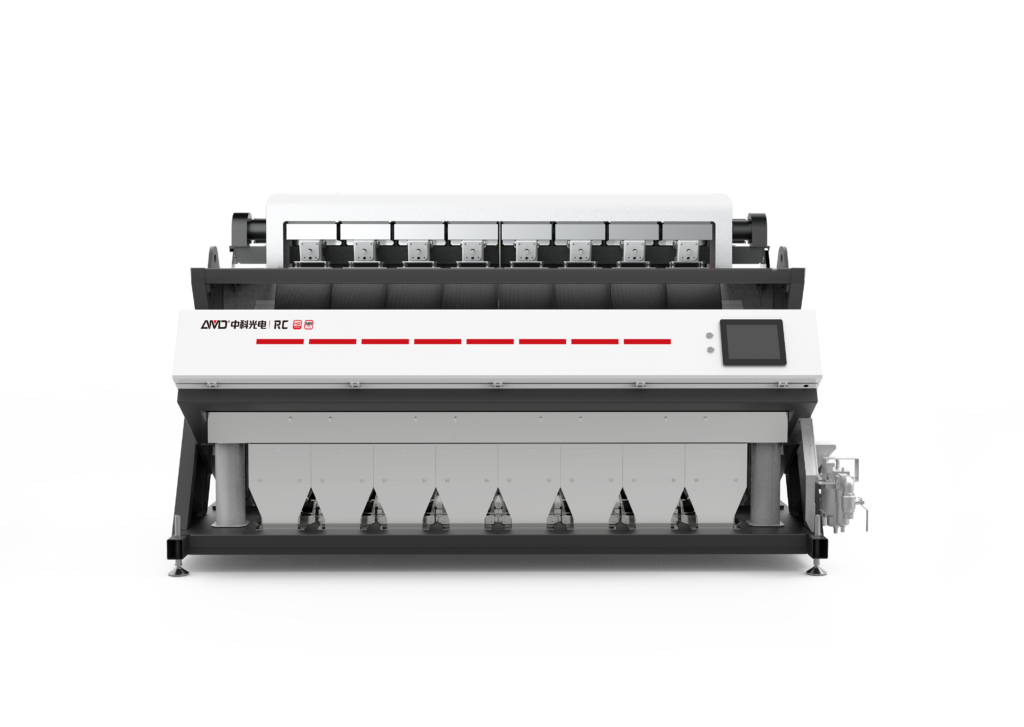
A Grain Color Sorter Machine is an automated optical sorting system designed to separate grains based on visible differences in color, appearance, and quality characteristics. It is widely used in grain processing plants, seed processing facilities, agricultural product suppliers, and food production industries where consistent product quality is essential.
Traditional grain cleaning equipment mainly separates materials according to physical characteristics such as size, weight, or density. Machines such as screens, sieves, and gravity separators can remove some impurities, but they cannot effectively identify defects that have similar physical properties to good grains.
For example, a healthy grain and a damaged grain may have almost identical size and weight, but their surface appearance can be completely different. Discolored grains, immature kernels, mold-affected products, and foreign materials often require visual recognition rather than mechanical separation.
A grain color sorter solves this challenge by using optical sensors and intelligent processing technology to examine individual grains during production. The machine captures detailed information from each grain, analyzes its characteristics, and determines whether it meets preset quality requirements.
The complete sorting process includes:
- Feeding raw grains into the machine
- Distributing grains evenly through sorting channels
- Capturing images through optical sensors
- Analyzing grain characteristics through intelligent software
- Removing defective materials through precision air ejection
Through this automated process, a grain color sorter machine helps processors achieve more consistent quality compared with manual inspection methods.
Traditional Grain Sorting vs Optical Sorting Technology
Before the development of optical sorting equipment, grain processors mainly relied on manual inspection and mechanical separation methods. While these methods remain useful for basic cleaning processes, they have limitations when dealing with complex quality differences.
| Sorting Method | Advantages | Limitations |
| Manual Sorting | Simple operation and low initial investment | Slow processing speed, high labor requirements, and inconsistent inspection results |
| Mechanical Separation | Effective for removing materials based on size, weight, or density differences | Cannot accurately identify color defects, surface damage, or similar-sized contaminants |
| Optical Grain Sorting | High-speed inspection, automatic defect removal, and consistent quality control | Requires professional equipment investment and proper configuration |
Modern optical sorting technology fills the gap between traditional cleaning methods and advanced quality control requirements. By analyzing each grain individually, a Grain Color Sorter Machine can identify defects that are difficult to detect through physical separation methods.
For example, two grains may have similar size and weight, but one may show discoloration caused by poor storage conditions or quality degradation. Traditional equipment may not separate them effectively, while an optical sorter can recognize these visual differences and remove defective materials.
This capability makes optical sorting increasingly important for processors supplying food manufacturers, agricultural distributors, and markets that require stable product quality.
How Does a Grain Color Sorter Machine Work?
The working principle of a Grain Color Sorter Machine involves several coordinated stages. The system combines material handling, optical detection, intelligent analysis, and precision separation technologies to automatically improve grain quality.
Unlike traditional cleaning methods that mainly separate materials according to physical characteristics, optical sorting technology evaluates each individual grain based on visual differences. This allows processors to remove defects that may have similar size, weight, or shape to acceptable products.
Step 1: Feeding and Grain Distribution
The sorting process begins when raw grains enter the machine through the feeding system.
A vibratory feeder controls the material flow and distributes grains evenly into sorting channels or conveyor systems. The goal of this stage is to create a stable and organized product stream where individual grains can be clearly inspected.
Proper grain distribution is essential because:
- Overlapping grains may hide defects
- Uneven feeding can reduce detection accuracy
- Excessive material flow may affect sorting efficiency
A stable feeding system ensures that each grain passes through the inspection area under suitable conditions.
For commercial grain processors, consistent feeding performance is especially important because it directly influences sorting accuracy and production stability.
Step 2: Optical Scanning and Image Capture
After entering the detection area, grains pass through an optical inspection zone where high-resolution cameras capture images in real time.
The imaging system works together with controlled LED lighting to create a stable inspection environment. This allows the machine to identify differences that may not be visible during manual checking.
The optical system can detect:
- Discolored grains
- Damaged kernels
- Surface defects
- Abnormal appearance
- Foreign materials
Unlike manual inspection, optical sorting technology can evaluate large quantities of material continuously with consistent standards and without fatigue-related errors.
This makes automatic grain sorting an important technology for modern agricultural processing facilities that require stable quality control.
Step 3: Intelligent Image Processing and Quality Evaluation
After cameras capture detailed images, the data is transferred to an intelligent control system for real-time analysis.
The processing software evaluates multiple characteristics simultaneously, including:
- Color differences and subtle shading variations
- Surface texture and superficial defects
- Shape variations and size consistency
- Overall appearance characteristics
Unlike traditional manual inspection methods that rely on subjective human judgement, intelligent recognition technology provides objective and consistent quality evaluation throughout the entire production run. The sorting software compares the captured images against preconfigured quality parameters to determine whether each grain should be accepted or rejected.
Because different agricultural products have unique sorting profiles, operators can easily adjust the software’s sensitivity and detection parameters. This flexibility allows the system to target specific defect types—such as localized discoloration, mechanical damage, or foreign contaminants—without needing physical modifications to the sorting hardware.
Step 4: Precision Air Ejection and Material Separation
After identifying defective grains, the machine must remove them accurately without affecting surrounding qualified products.
This process is completed through a precision pneumatic ejection system.
When the intelligent control system identifies an unwanted grain, it calculates its position and sends a signal to the corresponding air valve. The valve then releases a targeted burst of compressed air, pushing the defective material into the reject channel.
The separation process occurs within milliseconds.
A reliable ejection system needs to maintain a balance between:
- Effective defect removal
- High product recovery rate
- Reduced material loss
- Stable production efficiency
If rejection settings are too aggressive, valuable grains may be removed together with defective materials. If the rejection process is insufficient, unwanted materials may remain in the final product.
For this reason, accurate image recognition and precise air control are essential for achieving efficient and economical grain sorting performance.
Key Technologies Behind Modern Grain Color Sorting Equipment
The performance of a Grain Color Sorter Machine depends on the combination of several technologies working together. Each component plays an important role in improving detection accuracy, sorting efficiency, and final product quality.
High-Resolution Cameras and LED Lighting Technology
The optical detection system acts as the “eyes” of the machine. It continuously captures detailed images of grains as they pass through the inspection area.
Modern grain sorting equipment uses industrial-grade CCD or CMOS cameras combined with stable LED lighting systems to create a controlled detection environment.
These systems allow the machine to identify:
- Slight color differences
- Surface damage
- Abnormal grain appearance
- Foreign materials
Stable lighting is especially important because changes in illumination can affect image recognition results. By maintaining consistent lighting conditions, the sorting system can provide more reliable analysis during continuous operation.
Some advanced sorting solutions may also combine visible-light cameras with additional sensor technologies such as near-infrared (NIR) detection. These technologies help identify certain material differences that cannot always be recognized through color information alone.
Intelligent Recognition Software and Data Processing
After image capture, the grain sorting system processes visual information through intelligent recognition software to make fast and accurate sorting decisions.
The system does not judge grains based on a single color value. Instead, it analyzes multiple characteristics together, including:
- Color shades
- Surface texture
- Shape consistency
- Size differences
- Overall appearance
This multi-dimensional analysis allows the machine to identify complex defects that may be difficult to detect through traditional inspection methods.
For grain processors, intelligent recognition technology provides several important advantages:
- More consistent inspection standards
- Reduced dependence on manual labor
- Flexible adjustment for different products
- Improved sorting accuracy
Operators can configure sorting parameters according to different agricultural materials, allowing the same equipment to support various production requirements.
For example, a processor handling wheat may focus on removing damaged kernels and foreign materials, while a seed company may prioritize purity and variety separation. The sorting system can be adjusted according to the specific quality objectives of each application.
Precision Pneumatic Sorting System
The rejection system is responsible for physically separating unwanted materials after detection.
Modern grain sorting machines use high-speed air valves that respond quickly after receiving signals from the intelligent control system. The precise air flow removes targeted defects while minimizing unnecessary removal of qualified products.
A well-designed pneumatic system helps processors achieve:
- Higher product recovery
- Lower waste rates
- More stable production
- Better overall processing efficiency
The combination of intelligent recognition and precision separation allows optical sorting equipment to maintain a balance between defect removal and product retention.
This balance is especially important for commercial grain processors because excessive rejection can reduce profitability, while insufficient rejection can affect final product quality.
Why Invest in a Grain Color Sorter Machine?
For modern agricultural processors, investing in optical sorting technology is not only about improving product appearance. It is also about increasing operational efficiency, reducing production challenges, and creating higher-value products.
Improve Product Quality and Market Competitiveness
Product consistency plays an important role in customer satisfaction and market acceptance.
Even a small percentage of defective grains can affect product appearance, reduce commercial value, and create quality concerns for downstream buyers.
A reliable grain sorting machine helps processors:
- Remove visible defects
- Improve product consistency
- Maintain stable quality standards
- Increase customer confidence
For companies supplying food manufacturers, agricultural distributors, or export markets, consistent product quality can become an important competitive advantage.
Reduce Dependence on Manual Sorting
Manual grain inspection requires significant labor resources and may produce inconsistent results due to worker fatigue, differences in experience, and limited inspection speed.
Automatic optical sorting provides continuous and objective quality control throughout the production process. Instead of relying on manual selection, the machine can inspect individual grains at high speed and apply consistent sorting standards.
By reducing dependence on manual sorting, processors can:
- Lower labor costs
- Improve production efficiency
- Maintain consistent inspection standards
- Reduce quality variations caused by human factors
For large-scale grain processing facilities, this improvement can simplify daily operations and allow employees to focus on other production activities.
Increase Processing Efficiency and Production Capacity
Modern Grain Color Sorter Machine systems help processors handle large volumes of agricultural products while maintaining stable quality control.
Compared with manual inspection, automated sorting can analyze thousands of grains continuously and remove defects without slowing down production.
For businesses planning production expansion, selecting equipment with suitable throughput capacity is essential. A properly configured sorting machine can help:
- Increase processing efficiency
- Reduce production bottlenecks
- Maintain consistent quality during continuous operation
- Support larger-scale manufacturing requirements
However, higher capacity does not always mean better performance. The ideal equipment should match actual production needs because oversized systems may increase unnecessary investment costs, while insufficient capacity may limit future growth.
For many processors, the return on investment comes not only from improved product quality but also from reduced labor costs, lower material waste, and access to higher-value markets.
Support Multiple Agricultural Applications
One of the major advantages of modern optical sorting technology is flexibility.
With adjustable sorting parameters, the same Grain Color Sorter Machine can often support different agricultural products, including:
- Wheat
- Corn
- Beans
- Pulses
- Seeds
- Cereals
- Other agricultural materials
This flexibility allows processors to adapt to seasonal product changes and expand their product range without purchasing separate equipment for every application.
For example, a facility that processes different types of grains and seeds can adjust sorting parameters according to specific quality requirements, improving equipment utilization and overall investment value.
How to Choose the Right Grain Color Sorter Machine for Your Business
Selecting the right sorting equipment requires more than comparing machine prices or production capacity. A suitable solution should match your raw material characteristics, quality requirements, processing environment, and long-term business plans.
Evaluate Your Grain Type and Sorting Challenges
Different agricultural products have different sorting requirements. Before purchasing grain sorting equipment, processors should clearly identify:
- What defects need to be removed
- What purity level is required
- What quality standards must be achieved
- Whether the equipment needs to handle multiple products
Wheat and Cereal Processing
Wheat and cereal processors may focus on removing:
- Damaged kernels
- Discolored grains
- Unwanted seeds
- Foreign materials
Proper sorting helps improve product consistency and supports downstream food processing requirements.
Corn Processing
Corn processors may need to remove:
- Immature grains
- Discolored materials
- Foreign particles
- Quality defects caused by storage conditions
Improved sorting performance helps maintain product quality and reduce contamination risks.
Beans, Pulses, and Seed Processing
Beans, pulses, and seeds often require precise identification because small appearance differences can affect commercial value.
Typical sorting targets include:
- Immature products
- Mold-affected materials
- Insect-damaged grains
- Mixed varieties
- Abnormal seeds
Understanding these challenges helps buyers select the right machine configuration and avoid investing in equipment that does not match their application.
Important Factors When Selecting a Grain Color Sorter Machine
After understanding how a Grain Color Sorter Machine works, the next step is evaluating which equipment features are most important for your business.
Choosing the right sorting solution requires considering not only machine specifications but also your raw material characteristics, production goals, and long-term operating requirements.
Consider Processing Capacity and Machine Configuration
Processing capacity is one of the first factors buyers should evaluate.
A machine with insufficient capacity may create production limitations, while an oversized system may increase unnecessary investment costs.
The actual throughput of a grain sorting machine depends on several factors, including:
- Number of sorting channels
- Camera configuration
- Grain characteristics
- Required sorting accuracy
- Product feeding conditions
Small processors handling specialty grains or seeds may require compact equipment, while large commercial grain processing plants usually need higher-capacity systems designed for continuous operation.
The right choice should balance current production requirements with future expansion plans. Selecting equipment based only on maximum capacity may not always provide the best return on investment.
Evaluate Sorting Accuracy and Recovery Rate
Sorting accuracy and recovery rate are two important indicators when evaluating grain sorting equipment.
Sorting accuracy refers to how effectively the machine identifies and removes unwanted materials.
Recovery rate refers to how much qualified product remains after the sorting process.
A high-quality sorting system should maintain a balance between these two factors.
If rejection settings are too aggressive:
- More acceptable grains may be removed
- Product loss may increase
- Overall profitability may decrease
If rejection settings are too conservative:
- Defective grains may remain
- Product quality may not meet customer expectations
Advanced sorting systems may use secondary sorting processes to recover valuable materials from rejected products, improving overall efficiency and reducing unnecessary waste.
Consider Maintenance and Operation Requirements
Long-term sorting performance depends not only on machine technology but also on daily operation and maintenance.
Before purchasing grain sorting equipment, buyers should evaluate whether the system is easy to operate, clean, and maintain throughout its service life.
Important factors include:
- Ease of cleaning
- Software adjustment flexibility
- Operator training requirements
- Spare parts availability
- Technical support capability
A machine that is simple to operate and maintain can help reduce downtime and improve long-term reliability.
For overseas buyers, supplier support is especially important. Professional installation guidance, application training, and responsive after-sales service can significantly improve the overall ownership experience.
Check Supplier Technology and After-Sales Support
A grain sorting machine is a long-term investment, so choosing the right supplier is as important as choosing the equipment itself.
Before making a purchase decision, buyers should evaluate:
- Supplier experience in grain sorting applications
- Technical consultation capability
- Material testing and application evaluation support
- Installation and operator training services
- Spare parts supply
- After-sales response capability
Different agricultural products require different sorting strategies. An experienced supplier can analyze material characteristics, production requirements, and quality goals to recommend a suitable configuration.
For example, equipment used for wheat processing may require different sorting parameters compared with machines designed for beans, pulses, or seed applications.
Working with a supplier that understands the complete sorting process helps ensure better equipment performance and a more reliable long-term investment.
Frequently Asked Questions About Grain Color Sorter Machines
How does a Grain Color Sorter Machine work?
A Grain Color Sorter Machine uses high-resolution cameras and intelligent image processing technology to inspect grains during high-speed operation. When the system detects differences in color, shape, or surface characteristics, it activates precision air valves to release a targeted burst of compressed air, removing defective materials while allowing qualified grains to continue through the production process.
What types of grains can a color sorter machine process?
Modern grain sorting machines can process various agricultural products, including:
- Wheat
- Corn
- Beans
- Pulses
- Seeds
- Cereals
However, the suitable machine configuration depends on the product characteristics, required output, sorting targets, and quality standards.
Before purchasing equipment, processors should evaluate their specific application to ensure the selected machine can achieve the expected sorting performance.
What is the difference between chute-type and belt-type grain sorters?
Chute-type and belt-type sorting systems use similar optical detection principles, but they handle materials differently.
Chute-type grain sorters use gravity to move products through inclined channels before inspection. They are commonly used for free-flowing materials such as:
- Wheat
- Corn
- Seeds
- Small grains
Their advantages include:
- Stable material flow
- High sorting speed
- Efficient handling of uniform products
Belt-type grain sorters transport materials on a flat conveyor belt before inspection. They are often suitable for products that require gentler handling, including:
- Large beans
- Fragile agricultural products
- Irregularly shaped materials
The best choice depends on product characteristics, processing requirements, and desired sorting results.
Can a Grain Color Sorter Remove Foreign Materials?
Yes. Modern optical sorting systems can identify and remove many foreign materials that differ from normal grains in color, shape, or surface characteristics.
Depending on the machine configuration, sorting systems may detect and remove:
- Stones
- Plastic particles
- Glass fragments
- Paper materials
- Other visible contaminants
For food processing companies, removing foreign materials helps improve product purity and supports higher quality standards.
However, detection capability depends on factors such as:
- Material characteristics
- Sensor configuration
- Contaminant type
- Sorting requirements
Therefore, processors should discuss their specific application with the supplier before selecting equipment.
How Does a Grain Sorter Reduce the Loss of Good Products?
A high-quality grain sorting system reduces unnecessary product loss through accurate detection and precise rejection.
The machine does not simply remove all materials that look different. Instead, the intelligent recognition system analyzes each grain according to preset sorting parameters and activates air valves only when a target defect is identified.
Several technologies help reduce the loss of qualified products:
- Accurate image recognition
- Precise air valve timing
- Adjustable sorting parameters
- Secondary sorting of rejected materials
For example, some processing facilities can send rejected materials through another sorting process to recover valuable grains that may have been removed together with defective products.
This balance between defect removal and product recovery is an important factor when evaluating a Grain Color Sorter Machine because excessive rejection can directly affect production profitability.
How Much Does a Grain Color Sorter Machine Cost?
The price of a grain sorting machine depends on multiple factors rather than a single specification.
Important factors that influence cost include:
- Processing capacity
- Number of sorting channels
- Camera and sensor configuration
- Sorting software capability
- Application requirements
- Supplier technical support
A small processor handling specialty seeds may require a different machine configuration compared with a large commercial grain processing plant handling high-volume production.
When comparing equipment prices, buyers should consider the total value of the solution, including:
- Sorting performance
- Energy efficiency
- Maintenance requirements
- Long-term reliability
- After-sales service
Choosing equipment only based on the lowest initial price may result in higher operating costs in the future. A properly selected sorting system should provide stable performance, reduce production waste, and create long-term value.
Improve Grain Processing Efficiency with Advanced Sorting Technology
A modern Grain Color Sorter Machine is more than a simple color detection system. It is an integrated quality control solution that combines optical imaging, intelligent recognition, and precision separation technology to improve the efficiency and consistency of grain processing.
By understanding how grain sorting technology works, processors can make better decisions when selecting equipment for their production lines. The right sorting solution can help companies:
- Improve product quality
- Reduce dependence on manual inspection
- Increase processing efficiency
- Minimize material waste
- Maintain consistent quality standards
- Access higher-value markets
For many grain processors, the value of optical sorting technology comes not only from improved product appearance but also from long-term operational benefits, including lower labor costs, reduced production losses, and better market competitiveness.
When choosing a grain sorting solution, working with an experienced manufacturer can help ensure that the equipment matches your material characteristics, production capacity, and quality requirements.
PolySorter provides optical sorting solutions designed for different agricultural applications and processing environments. Our team can evaluate your material characteristics, production goals, and sorting challenges to recommend a suitable solution for your processing line.
If you are looking for a reliable Grain Color Sorter Machine, contact PolySorter to discuss your application requirements and explore the right optical sorting technology for your business.