Can Optical Sorting Machines Help Reduce Waste in Recycling?
The recycling industry is facing a major challenge: how to recover more valuable materials while reducing unnecessary waste during processing. For recycling companies, collecting waste

The recycling industry is facing a major challenge: how to recover more valuable materials while reducing unnecessary waste during processing. For recycling companies, collecting waste

Acrylonitrile Butadiene Styrene (ABS) is a widely used engineering thermoplastic made from three monomers: acrylonitrile, butadiene, and styrene. Each component contributes different characteristics to the
Plastic is one of the most widely used materials in the modern world. From food packaging and beverage bottles to automotive components, electronic products, and

Plastic recycling has evolved far beyond simply reducing waste. Today, it is a technology-driven industry that supplies high-quality recycled materials for packaging, automotive components, consumer

As industries demand higher efficiency, better product quality, and more sustainable processing methods, automated sorting technology has become increasingly important. Optical sorting is one of the
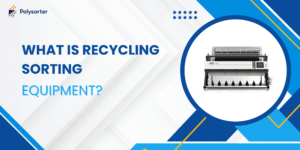
Recycling sorting equipment refers to automated systems that identify, separate, and recover recyclable materials using advanced sensor technologies such as Near-Infrared (NIR), optical cameras, artificial intelligence
Every discarded plastic bottle still has value—but only if it is sorted correctly. For modern recycling facilities, producing high-quality recycled plastic is no longer simply

rPET plastic (recycled polyethylene terephthalate) is PET that manufacturers recover from used products—mainly beverage bottles and food packaging—and process into a new raw material. Instead of