The demand for recycled plastics is increasing worldwide as manufacturers and recycling companies look for more efficient ways to recover valuable materials from complex waste streams. However, separating different types of plastics remains one of the biggest challenges in modern recycling operations.
Plastic materials such as PVC, PET, PP, PE, ABS, and PS often have similar shapes and appearances, making traditional manual sorting methods inefficient for large-scale recycling facilities. As recycling volumes increase and quality requirements become stricter, automated sorting technology has become an essential part of modern plastic processing.
This is where PVC sorting solutions provide significant value. A PVC sorting solution is an advanced automated system designed to detect and separate polyvinyl chloride (PVC) materials from mixed plastic streams through optical sensors, near-infrared (NIR) technology, color recognition systems, and intelligent sorting software.
For recycling plants processing mixed plastic waste, PVC contamination can create serious quality problems. Even a small amount of PVC mixed with PET or other polymers may affect downstream processing, reduce recycled material value, and damage equipment. By using advanced plastic sorting equipment, recyclers can improve material purity, increase recovery efficiency, and produce higher-quality recycled plastics.
Unlike traditional sorting methods, modern PVC sorting systems do not rely only on visual inspection. They combine high-resolution imaging, polymer identification technology, and precision air ejection systems to analyze thousands of plastic pieces per second, allowing recycling companies to achieve faster, more accurate, and more stable separation results.
What Are PVC Sorting Solutions?
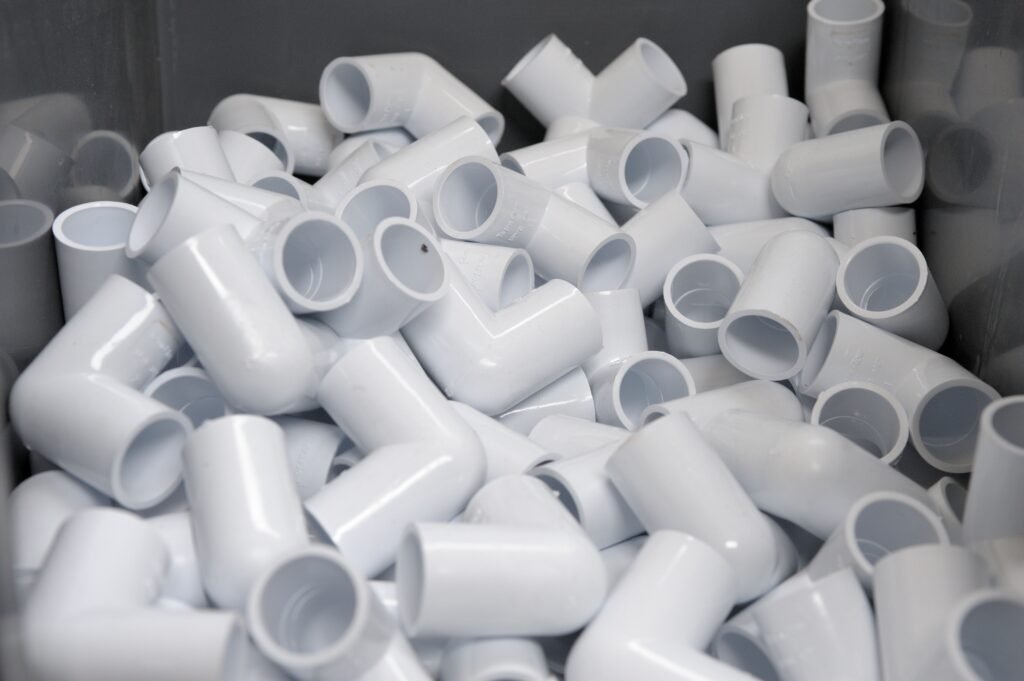
PVC sorting solutions refer to a combination of sorting equipment, sensor technologies, and intelligent control systems used to identify and separate PVC materials from mixed plastic waste.
In a typical recycling facility, plastic materials may come from various sources, including post-consumer packaging, industrial waste, discarded products, and recovered plastic streams. These materials often contain multiple polymer types that must be separated before further processing.
A professional PVC sorting system helps recycling companies remove unwanted PVC materials while preserving valuable plastics such as PET, PP, and PE. Depending on the application, the system can be configured for:
- PVC removal from PET recycling lines
- Mixed polymer separation
- Plastic flake purification
- Color-based plastic sorting
- Engineering plastic recovery
- Plastic pellet sorting
Compared with manual sorting, automated systems provide more consistent results and can operate continuously at industrial production speeds.
Modern plastic recycling plants increasingly use sensor-based sorting technology because it allows operators to achieve higher purity levels while reducing labor costs and improving overall production efficiency.
How Do PVC Sorting Solutions Work?
A modern PVC sorting solution combines several advanced technologies to identify, classify, and separate plastic materials. Although different manufacturers may use different configurations, most industrial systems follow a similar sorting process.
Material Feeding and Preparation
Before materials enter the sorting system, plastic waste usually goes through several preparation steps, including crushing, washing, drying, and size classification.
Proper preparation is essential because sorting accuracy depends on how clearly each plastic piece can be detected. Materials are evenly distributed onto a conveyor belt to prevent overlapping and ensure that sensors can analyze individual particles.
For plastic flakes, bottles, and pellets, stable material flow helps maintain consistent sorting performance and improves the efficiency of the entire recycling line.
Sensor-Based Plastic Identification
The core technology behind PVC sorting solutions is advanced sensor recognition.
Different polymers have different molecular structures, which means they reflect and absorb light differently. Sorting machines use these characteristics to identify materials that may appear similar to the human eye.
Common technologies include:
NIR Technology for Polymer Recognition
Near-infrared (NIR) technology is one of the most important methods used in plastic polymer separation.
NIR sensors analyze the infrared spectrum reflected from plastic surfaces and compare the information with an internal material database. Because each polymer has a unique spectral signature, the system can distinguish PVC from other plastics such as PET, PP, PE, and PS.
For example, PVC flakes and PET flakes may look almost identical visually, but their infrared characteristics are completely different. A NIR-based sorting system can detect these differences within milliseconds and determine whether the material should be accepted or removed.
RGB Camera Technology for Color Sorting
While NIR sensors identify polymer types, high-resolution RGB cameras provide additional information about color and surface appearance.
Color recognition is useful for applications where recycling companies need to separate:
- Clear plastics from colored plastics
- Different color grades
- Visible contaminants
- Mixed-quality plastic flakes
By combining polymer identification with color analysis, sorting equipment can provide more flexible and accurate separation.
Intelligent Processing and Sorting Decision
After sensors collect information from plastic materials, intelligent software analyzes the data and makes real-time sorting decisions.
Advanced sorting algorithms can classify materials based on customer requirements, such as:
- Remove PVC contamination
- Recover target polymers
- Improve recycled flake purity
- Separate different plastic colors
The software continuously processes large amounts of sensor data during operation, helping maintain stable performance even in high-volume recycling environments.
This automation reduces dependence on manual inspection and allows recycling facilities to achieve more consistent output quality.
Precision Air Ejection System
After identifying unwanted PVC materials, the sorting system removes them using high-speed air ejection technology.
The equipment calculates the exact position of each target material and activates air valves within milliseconds. This precise timing allows the system to remove unwanted plastics while minimizing the loss of valuable materials.
High-performance sorting machines use advanced valve systems and intelligent controls to achieve accurate separation during continuous operation.
Why Plastic Recycling Facilities Need Advanced PVC Sorting Solutions
PVC is one of the most widely used polymers in the world and can be found in construction materials, pipes, profiles, packaging products, medical applications, and many industrial products. However, during plastic recycling, PVC contamination creates serious challenges because different polymers have different processing characteristics.
This is especially important in PET recycling. PET is commonly processed at high temperatures to produce recycled flakes and pellets, while PVC has significantly different thermal behavior. When PVC enters a PET recycling stream, it can degrade during heating and release hydrochloric acid (HCl), which may damage processing equipment and negatively affect recycled material quality.
PVC contamination can lead to:
- Corrosion of recycling equipment components
- Yellowing and discoloration of recycled PET
- Reduced mechanical performance of recycled materials
- Lower market value of recycled products
- Increased production losses
Because of these risks, recycling companies increasingly invest in automated PVC sorting solutions to improve material purity and protect downstream processing equipment.
Improving Recycled Plastic Quality
The quality of recycled plastic depends heavily on the purity of the recovered material. Even a small amount of unwanted polymer contamination can affect the performance and appearance of recycled products.
A high-performance plastic sorting system helps remove PVC and other unwanted materials before further processing. This allows recyclers to produce cleaner flakes, pellets, and recycled polymers that meet stricter requirements from manufacturers.
For companies supplying recycled materials to industries such as packaging, automotive, and consumer products, higher purity directly improves product competitiveness and customer acceptance.
Increasing Recycling Efficiency
Traditional manual sorting requires significant labor and becomes difficult when processing large volumes of plastic waste.
A modern PVC sorting machine can inspect thousands of materials per second and operate continuously with stable performance. This allows recycling facilities to increase production capacity while reducing dependence on manual inspection.
Automation also improves sorting consistency because machine-based detection does not experience fatigue or variation between operators.
Reducing Long-Term Operating Costs
Although investing in automated sorting equipment requires an initial investment, it can provide significant long-term benefits.
By improving sorting accuracy and reducing labor requirements, recycling companies can:
- Increase production efficiency
- Reduce material losses
- Improve recycled product value
- Lower operating expenses over time
For large recycling facilities, the return on investment often depends not only on processing capacity but also on the ability to produce high-quality recycled materials consistently.
Applications of PVC Sorting Solutions in Plastic Recycling
PVC sorting solutions are used across multiple recycling applications because modern plastic waste streams are becoming increasingly complex.
Many facilities no longer process a single type of plastic. Instead, they handle mixed materials collected from consumer products, industrial waste, packaging waste, and post-consumer recycling programs.
Advanced sorting systems help these facilities separate valuable polymers and improve the efficiency of recycling operations.
PVC Sorting Solutions for PET Recycling
One of the most important applications of PVC sorting technology is removing PVC contamination from PET recycling streams.
PET bottles are widely recycled into rPET flakes and pellets for applications such as:
- New packaging materials
- Polyester fibers
- Industrial products
However, PVC materials may enter PET recycling streams through bottles, labels, packaging components, or mixed plastic collection systems.
Because PVC and PET have different chemical properties, separating them before thermal processing is essential. NIR-based sorting technology can identify PVC materials quickly and remove them before they affect the quality of recycled PET.
For recycling companies producing high-quality rPET, efficient PVC removal is a key step in achieving cleaner output and meeting customer requirements.
PVC Sorting Solutions for Mixed Polymer Separation
Many recycling facilities process mixed polymer streams containing:
- PVC
- PET
- PP
- PE
- ABS
- PS
- Other engineering plastics
Because these materials may have similar appearances, traditional visual inspection cannot provide sufficient accuracy for industrial recycling.
A professional PVC sorting machine uses advanced optical detection technology to identify differences between polymers and separate materials according to specific production goals.
Typical applications include:
- Removing PVC from mixed plastic flakes
- Separating different polymer categories
- Recovering valuable engineering plastics
- Improving purity before pelletizing
By selecting the correct sensor configuration, recycling companies can create a sorting system that matches their material characteristics and production requirements.
Different Types of PVC Sorting Solutions
Not every recycling plant requires the same sorting configuration. The ideal PVC sorting solution depends on the type of material being processed, required purity level, and production capacity.
NIR-Based PVC Sorting Systems
NIR sorting technology is widely used for polymer identification because it can distinguish plastics based on their molecular characteristics rather than only their appearance.
These systems are suitable for applications such as:
- PVC and PET separation
- Mixed plastic flake sorting
- Polymer classification
NIR-based systems are especially valuable when different plastics have similar colors or shapes.
Color-Based Plastic Sorting Systems
Color sorting systems use high-resolution cameras to identify visible differences between materials.
They are commonly used for:
- Transparent and colored plastic separation
- Removing visible defects
- Improving recycled material appearance
Color recognition is often combined with polymer identification technology to achieve better sorting performance.
Combined Optical Sorting Systems
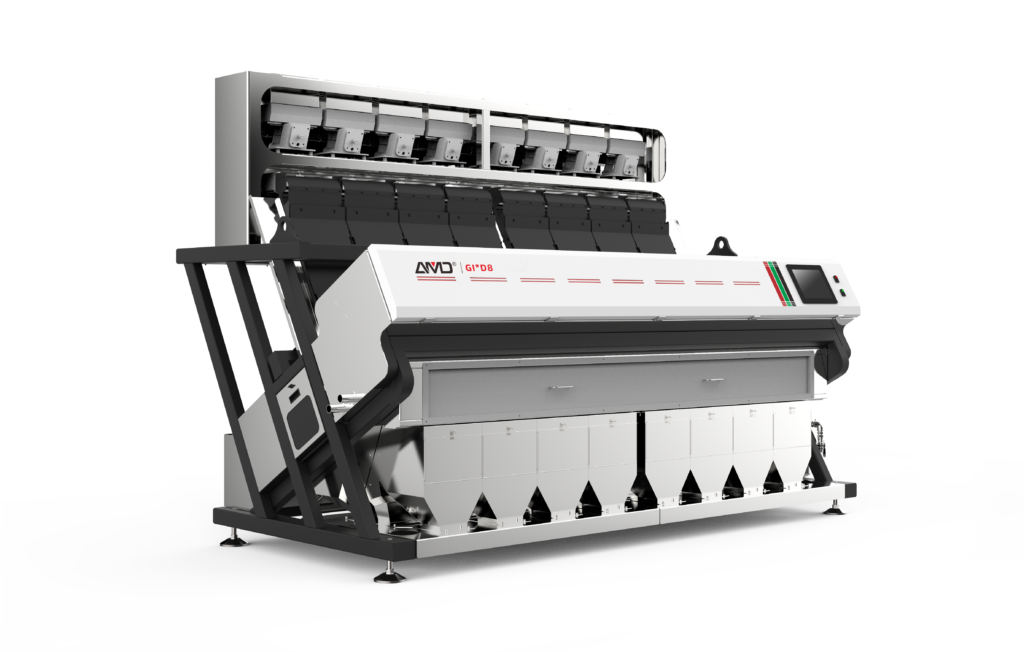
For demanding recycling applications, many facilities use combined optical sorting solutions that integrate:
- NIR sensors
- RGB cameras
- Intelligent algorithms
- Precision air ejection systems
This approach provides a more complete analysis of plastic materials and allows recyclers to achieve higher accuracy across different material streams.
How to Choose the Right PVC Sorting Solution for Your Recycling Business
Choosing a PVC sorting solution requires more than comparing equipment specifications or prices. The best system should match your material characteristics, production goals, and future expansion plans.
Understand Your Plastic Material
Before purchasing a sorting machine, recycling companies should evaluate their incoming materials.
Important factors include:
- Type of plastic waste
- Material size and shape
- Flake, bottle, or pellet application
- Contamination level
- Required final purity
For example, a system designed for washed PET flakes may require different settings compared with a system used for mixed rigid plastics.
Evaluate Sorting Accuracy and Recovery Rate
A reliable sorting system must balance contamination removal with material recovery.
If sorting accuracy is too low, unwanted plastics may remain in the final product. However, overly aggressive rejection settings may remove valuable materials unnecessarily.
The ideal system should achieve:
- High impurity removal rate
- Low loss of valuable materials
- Stable operation
- Consistent output quality
Professional suppliers can help optimize sorting parameters based on real production conditions and material testing results.
How to Choose the Right PVC Sorting Solution for Your Recycling Business (Continued)
Evaluate Sensor Configuration and Sorting Technology
The sensor system is one of the most important factors when selecting a PVC sorting solution. Different recycling applications require different levels of detection capability, and choosing the correct technology directly affects sorting accuracy and production efficiency.
When evaluating equipment, buyers should consider:
- NIR sensor performance for polymer identification
- Camera resolution for color and surface detection
- Processing speed and detection accuracy
- Software flexibility
- Future upgrade possibilities
For recycling companies that handle changing material streams, a flexible sorting platform is often a better long-term investment because it can adapt to new recycling requirements.
For example, a company that currently separates PVC from PET flakes may later need to recover PP, PE, or engineering plastics from mixed materials. A scalable sorting system allows businesses to expand their capabilities without replacing the entire production line.
Consider Equipment Capacity and Reliability
Production capacity is another critical factor when investing in a plastic sorting machine.
Before selecting equipment, recycling companies should evaluate:
- Required throughput per hour
- Available installation space
- Conveyor width requirements
- Operating schedule
- Maintenance requirements
- Technical support availability
A reliable sorting system should provide stable performance during long-term operation rather than only achieving good results under ideal testing conditions.
For industrial recycling facilities, equipment durability, easy maintenance, and supplier support are just as important as sorting accuracy.
Questions to Ask Before Buying a PVC Sorting Machine
Before investing in a PVC sorting solution, buyers should carefully evaluate their actual production requirements.
Important questions include:
What type of plastic materials do you need to sort?
Different materials require different sorting configurations. A system designed for plastic flakes may not provide the same performance for bottles, rigid plastics, or pellets.
What purity level do you need?
Different end markets have different quality requirements. High-value recycled applications usually require stricter polymer separation and lower contamination levels.
What is your expected processing capacity?
The machine configuration should match your production volume. Selecting equipment with insufficient capacity may limit future growth, while excessive capacity may increase unnecessary investment costs.
Can the system be integrated into your existing recycling line?
A professional sorting solution should work smoothly with existing equipment such as:
- Crushers
- Washing systems
- Drying systems
- Flake processing equipment
- Pelletizing systems
Working with an experienced supplier can help ensure that the selected equipment matches the complete recycling process.
FAQ About PVC Sorting Solutions
What is a PVC sorting solution?
A PVC sorting solution is an automated plastic recycling system designed to detect and separate PVC materials from mixed plastic streams. It typically uses technologies such as NIR sensors, optical cameras, intelligent software, and precision air ejection systems to achieve accurate polymer separation.
Why is PVC separation important in plastic recycling?
PVC separation is important because PVC contamination can negatively affect recycling quality, especially in PET recycling processes. When PVC is exposed to PET processing temperatures, it may degrade and release hydrochloric acid (HCl), which can damage equipment and reduce the quality of recycled materials.
Removing PVC helps recycling companies produce cleaner materials, protect processing equipment, and improve the market value of recycled plastics.
Can PVC sorting machines separate other types of plastics?
Yes. Modern plastic sorting machines can often be configured to separate multiple polymer types, including PET, PP, PE, ABS, PS, and PVC.
The actual sorting capability depends on the sensor configuration, material characteristics, and production requirements.
What technology is used for PVC sorting?
Most industrial PVC sorting solutions use NIR (Near-Infrared) technology for polymer identification. Many systems also combine RGB cameras, intelligent algorithms, and automated air ejection systems to improve sorting accuracy and flexibility.
Can PVC sorting equipment be added to an existing recycling line?
Yes. Many optical sorting systems are designed to integrate with existing recycling operations. They can typically be installed after processes such as crushing, washing, drying, or material preparation.
However, the final configuration depends on the incoming material characteristics and the required sorting objectives.
How much does a PVC sorting solution cost?
The cost of a PVC sorting system depends on several factors, including:
- Material type
- Required processing capacity
- Sensor configuration
- Sorting accuracy requirements
- Level of automation
A professional supplier usually evaluates the customer’s material and production requirements before recommending the most suitable solution.
Conclusion: Choosing the Right PVC Sorting Solution for Better Plastic Recycling
As the recycling industry continues to demand higher-quality recycled materials, accurate polymer separation has become a key factor in successful plastic processing operations.
PVC sorting solutions provide recycling companies with an effective way to remove unwanted materials, improve recycled plastic purity, protect downstream equipment, and increase overall production efficiency.
However, the best sorting system is not simply the machine with the most advanced specifications. The right solution should be designed around your specific materials, production capacity, quality requirements, and future business goals.
By combining NIR technology, high-resolution imaging, intelligent software, and precision sorting systems, modern plastic sorting equipment enables recycling companies to create cleaner material streams and maximize the value of plastic waste.
PolySorter provides advanced optical sorting solutions for plastic recycling applications, helping customers improve sorting accuracy, reduce material losses, and optimize their recycling processes.
If you are planning to upgrade your plastic recycling operation or need a customized PVC sorting solution, contact the PolySorter technical team for professional guidance and a solution designed around your material requirements.