
Rice is one of the world’s most important staple foods, and maintaining consistent quality throughout processing is a major challenge for modern rice mills. Among various food safety concerns, aflatoxin contamination has become an increasing concern because these naturally occurring toxins may develop when grains are exposed to excessive moisture, unsuitable storage conditions, or fungal growth.
For rice processors, effective Aflatoxin Removal strategies require more than preventing contamination during cultivation and storage. They also involve advanced inspection and sorting technologies that help identify and separate abnormal grains before the final product reaches consumers. As food quality requirements become stricter, more rice processing companies are adopting optical sorting technology to improve product consistency, reduce visible defects, and strengthen overall quality control.
Traditional inspection methods, including manual sorting and basic mechanical separation, often struggle to maintain consistent performance in high-volume rice processing environments. Some damaged or mold-affected kernels may show only minor differences compared with healthy grains, making them difficult to identify through manual inspection alone.
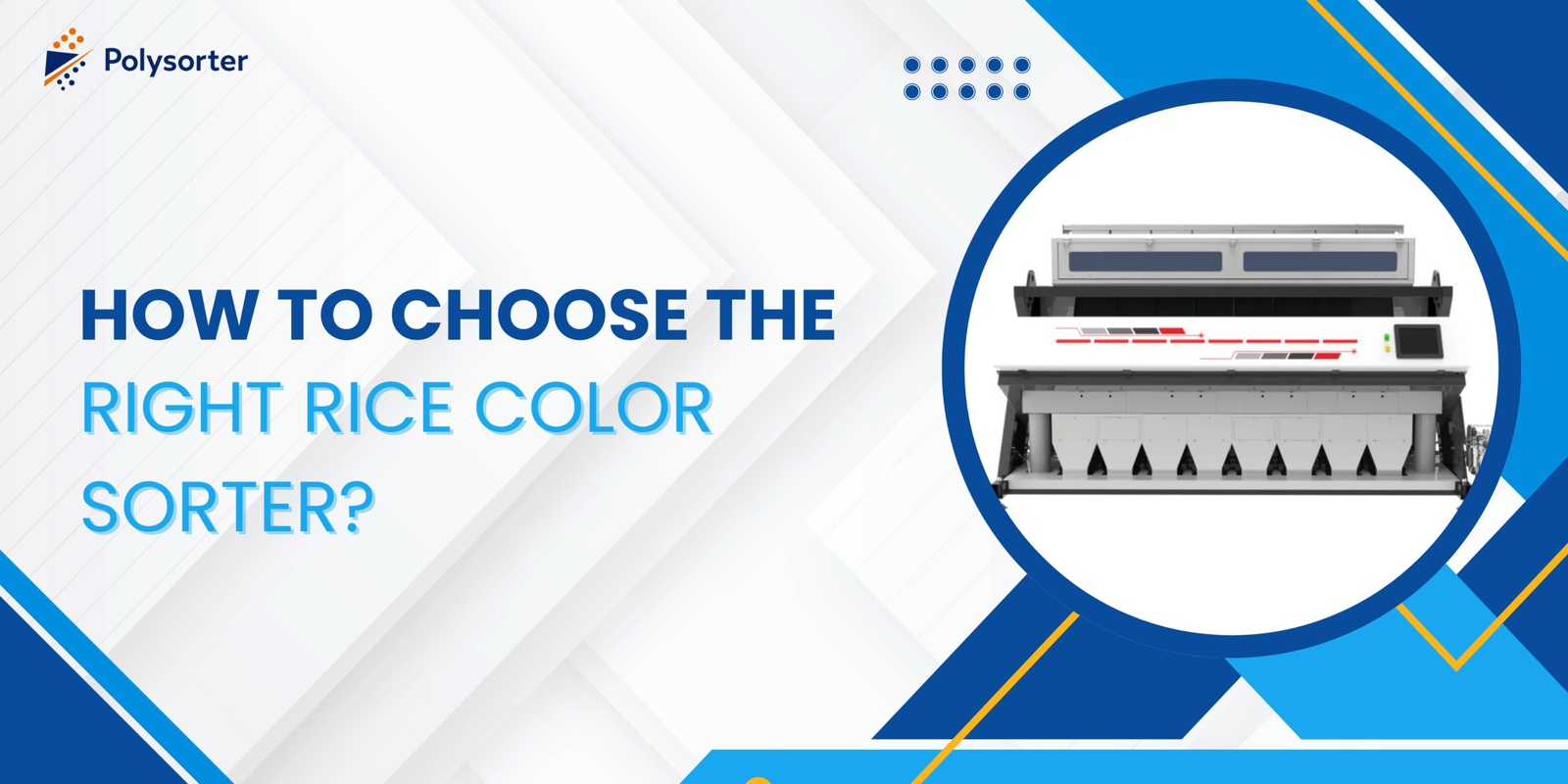
A modern rice optical sorter uses high-resolution imaging, intelligent recognition algorithms, and precision rejection systems to inspect individual grains and separate unwanted materials according to their physical characteristics. By analyzing differences in color, shape, texture, and surface appearance, advanced sorting equipment helps rice processors improve product quality while reducing the amount of defective material entering the final product.
Optical sorting does not directly eliminate aflatoxin compounds from rice grains. Instead, it supports contamination risk management by helping remove grains that show characteristics commonly associated with mold damage, deterioration, or abnormal quality. This makes optical sorting an important part of a complete rice safety management process that includes proper storage, inspection, and quality control procedures.
Understanding Aflatoxin Contamination in Rice and Its Impact on Food Quality
Aflatoxins are naturally occurring toxic compounds produced by certain fungi, mainly from the Aspergillus species. These fungi can develop when agricultural products experience favorable conditions, especially during harvesting, drying, transportation, or storage.
For rice processors, controlling aflatoxin risk is a multi-stage process. Proper agricultural practices, controlled storage environments, and laboratory testing all play important roles. However, another challenge appears during processing: identifying grains that may have quality problems before they become part of the finished product.
Not all affected grains show obvious external changes. Some kernels may display visible differences, including:
- Dark discoloration
- Yellow or abnormal appearance
- Surface damage
- Shrinkage or irregular shape
- Signs of deterioration
Other grains may appear similar to normal rice, making detection more difficult when processing large quantities of material. For industrial rice mills handling continuous production, relying only on manual inspection can result in inconsistent sorting performance and increased labor requirements.
This is where rice color sorter machines provide additional value. Instead of evaluating rice as a bulk material, optical sorting technology examines individual grains and identifies differences between acceptable and unwanted materials.
A modern sorting system can help separate:
- Mold-discolored grains
- Damaged kernels
- Discolored rice
- Broken particles
- Foreign materials
By improving the purity and consistency of processed rice, optical sorting helps processors meet higher quality expectations from retailers, exporters, and food manufacturers.
The objective of modern sorting is not simply removing visible impurities. A reliable sorting solution must achieve a balance between defect removal, product recovery rate, and stable production efficiency. Excessive rejection can reduce valuable product yield, while insufficient sorting may affect final quality. Therefore, selecting the right sorting technology is an important decision for rice processors.

How Optical Sorters Support Aflatoxin Risk Reduction in Rice Processing
The working principle of optical sorting is based on automated image analysis and precision separation. During operation, rice grains move through the sorting chamber in a controlled flow, where high-speed cameras capture detailed images of individual grains.
The sorting software analyzes the captured information in real time and compares each grain against predefined quality standards. When the system identifies unwanted materials or defective grains, precision air ejectors remove them from the product stream within milliseconds.
This automated process allows thousands of grains to be inspected continuously, providing a level of consistency that manual inspection methods cannot easily achieve.
For rice processors focused on quality improvement and contamination risk management, optical sorting technology helps identify visible indicators related to abnormal grains, including:
- Mold-related discoloration
- Dark or unusual kernels
- Yellow and deteriorated rice
- Broken or damaged grains
- Foreign materials mixed into rice streams
Modern rice optical sorters are no longer limited to simple color comparison. Advanced systems combine multiple recognition methods to analyze different grain characteristics, including:
- Color variation
- Grain shape
- Surface texture
- Brightness differences
- Structural features
This multi-feature recognition approach allows the machine to distinguish between grains with similar appearances but different quality conditions.
For example, two rice kernels may have similar colors but different surface characteristics. Intelligent image recognition technology helps the sorting system identify these subtle differences and improve separation accuracy.
Some advanced optical sorting systems may also integrate additional spectral technologies, such as infrared-based detection methods or other specialized sensors, to provide more information about material differences beyond normal visible inspection. The specific technology configuration should be selected according to the rice variety, defect types, and quality requirements of each processing application.
Rice Optical Sorter Technology: Detecting Moldy, Discolored, and Defective Grains
The performance of a modern rice optical sorter depends on the combination of sensor technology, image processing capability, and intelligent sorting control. As rice quality standards continue to increase, traditional separation methods based only on basic color differences may no longer satisfy the requirements of commercial rice processors.
Unlike manual inspection, a professional rice color sorter machine evaluates individual grains during processing. Each grain passes through the detection area, where optical sensors capture detailed information about its appearance. The system then compares each grain with preset quality standards and determines whether it should remain in the final product or be removed.
This individual-grain inspection capability is especially valuable because quality problems are often unevenly distributed throughout a rice batch. A small number of damaged, discolored, or abnormal grains can affect the appearance, market value, and customer acceptance of the final product.
By automatically identifying and separating these unwanted materials, optical sorting technology helps rice processors achieve more consistent quality while maintaining higher production efficiency.
Key Technologies Behind Modern Rice Optical Sorting Systems
High-Resolution Imaging for Precise Grain Inspection
High-resolution imaging is one of the core technologies used in modern optical sorting equipment. Advanced cameras capture detailed images of rice grains moving through the machine, allowing the system to recognize differences that may be difficult for human inspectors to identify.
In rice processing applications, image recognition technology can help detect:
- Discolored grains
- Yellow rice kernels
- Chalky rice
- Broken grains
- Dark spots and abnormal surface conditions
- Foreign materials with different visual characteristics
Compared with manual inspection, automated optical sorting provides continuous monitoring throughout the production process. This is particularly important for commercial rice mills where large volumes of rice must be inspected within a short period.
Modern sorting systems can analyze multiple characteristics of each grain, including color, shape, texture, and surface appearance. This allows processors to achieve more precise separation compared with traditional sorting approaches.
AI-Based Recognition and Multi-Feature Analysis
Artificial intelligence has significantly improved the ability of optical sorting systems to handle complex sorting requirements. Instead of relying only on fixed color thresholds, AI-based algorithms analyze multiple grain features to distinguish acceptable rice from unwanted materials.
A modern sorting system may evaluate:
- Color distribution and shade variation
- Grain shape and size
- Surface texture
- Brightness differences
- Structural characteristics
This multi-feature recognition approach helps improve sorting accuracy when different grains have similar visual appearances.
For example, two rice kernels may have similar colors but different surface conditions caused by damage or deterioration. Traditional color-based sorting may have difficulty separating them, while intelligent recognition systems can analyze additional characteristics and make more accurate decisions.
Many advanced rice sorting solutions also include learning and optimization functions that allow the system to improve recognition performance based on sorting data and application requirements. By continuously refining detection parameters, the equipment can better adapt to different rice varieties and processing conditions.
Additional Spectral Technologies for Advanced Quality Control
Visible light imaging is highly effective for identifying many appearance-related defects, but some advanced sorting systems may also incorporate additional spectral technologies to provide more detailed material analysis.
For example, infrared-based detection technologies can help identify differences that are not always visible under normal lighting conditions. These technologies may provide additional information related to material characteristics, supporting more comprehensive sorting applications.
Some specialized optical sorting systems may also integrate UV-based detection technologies for specific quality control applications. However, the actual detection capability depends on the machine configuration, sensor technology, and target materials.
For rice processors, selecting the appropriate detection technology is an important part of the purchasing decision. Different rice varieties, defect categories, and quality requirements may require different sorting configurations.
Therefore, buyers should evaluate not only the technical specifications of a machine but also whether the sorting system matches their actual production challenges.
Choosing the Right Optical Sorter for Rice Quality Control
Selecting the right rice optical sorter requires more than comparing equipment price or processing capacity. A suitable sorting solution should match the processor’s raw materials, quality targets, production volume, and long-term operational requirements.
Because many suppliers provide different machine configurations, rice processors often face difficulties when comparing available options. Understanding the key evaluation factors can help buyers make a more reliable investment decision.
Sorting Accuracy and Defect Removal Capability
Sorting accuracy is one of the most important factors when evaluating a rice sorting machine. A high-performance system should effectively remove unwanted materials while minimizing the loss of acceptable rice.
For processors focused on quality improvement and Aflatoxin Removal risk management, the sorting system should provide reliable identification of:
- Mold-related discoloration
- Damaged kernels
- Abnormal grains
- Foreign impurities
- Appearance defects
Advanced recognition algorithms, optimized optical systems, and precision rejection mechanisms help improve separation performance while maintaining product recovery.
However, the highest rejection sensitivity does not always mean the best sorting result. If a machine rejects too much acceptable rice, production efficiency and profitability may decrease.
The ideal optical sorter should achieve a balance between:
- Defect removal performance
- Product recovery rate
- Processing efficiency
- Stable operation
Processing Capacity and Production Requirements
Different rice processors have different production needs. A small rice mill may require a compact machine with flexible operation, while a large industrial facility may need a high-throughput sorting system designed for continuous production.
Before selecting equipment, buyers should consider:
- Daily processing volume
- Rice variety being processed
- Required sorting stages
- Target product quality
- Available installation space
Modern rice sorting equipment is available in different capacity ranges, allowing processors to select solutions based on their actual production requirements rather than simply choosing the largest machine available.
For example, smaller systems may be suitable for local processors or specialized applications, while larger configurations are designed for industrial rice production environments. The correct choice depends on balancing throughput requirements with investment goals.
Stability, Maintenance, and Supplier Support
A rice color sorter machine is a long-term investment, and operational reliability is just as important as initial sorting performance.
Before purchasing equipment, buyers should evaluate:
- Machine durability
- Ease of maintenance
- Spare parts availability
- Software updates
- Operator training
- Technical support capability
Reliable suppliers usually provide support throughout the equipment lifecycle, including installation guidance, operation training, troubleshooting assistance, and technical consultation.
A stable sorting system reduces production interruptions and helps rice processors maintain consistent quality over time. For companies operating competitive food processing businesses, supplier capability is often as important as machine specifications.
Improving Rice Safety with Optical Sorting: A Smarter Approach for Modern Rice Mills
As food safety requirements continue to increase worldwide, rice processors face growing pressure to provide products with consistent appearance, reliable quality, and stronger quality control systems. While preventive measures such as proper harvesting, drying, and storage management remain essential for reducing contamination risks, advanced sorting technology provides an additional control step during rice processing.
A modern rice optical sorter should not be considered a replacement for laboratory testing or preventive management practices. Instead, it works as part of a complete quality assurance process by identifying and removing grains with abnormal physical characteristics, helping processors improve the overall consistency and safety of finished rice products.
For many rice mills, the biggest advantage of optical sorting is its ability to maintain stable quality at industrial production speeds. Raw rice naturally contains a mixture of acceptable grains and unwanted materials, including immature kernels, damaged grains, discolored particles, and foreign impurities.
Even a small percentage of defective grains can influence product appearance, customer acceptance, and commercial value. By automatically inspecting individual grains, optical sorting machines provide a more consistent alternative to manual inspection and help processors maintain reliable quality standards throughout daily production.
How Optical Sorting Fits Into a Complete Rice Quality Management Process
A successful rice quality management strategy usually combines multiple control stages. Optical sorting is one important part of this process, working together with prevention, storage management, and final inspection.
| Quality Control Stage | Purpose |
| Harvesting and drying management | Reduce conditions that may contribute to grain deterioration |
| Controlled storage | Maintain suitable moisture and environmental conditions |
| Cleaning and preparation | Remove basic impurities before advanced sorting |
| Optical sorting | Identify and remove defective grains and unwanted materials |
| Final inspection and packaging | Ensure consistent product quality before distribution |
During rice processing, grains may develop differences caused by mechanical damage, aging, moisture variation, or fungal-related deterioration. If these materials remain in the final product, they may affect appearance and customer acceptance.
A properly configured rice color sorter machine helps separate these unwanted materials while preserving more high-quality rice. This is especially important for premium rice products, where buyers expect uniform color, clean appearance, and consistent cooking performance.
By improving sorting consistency, rice companies can better meet quality requirements from retailers, exporters, and food manufacturers.
Why Investing in Optical Sorting Technology Creates Long-Term Value
For rice processors, purchasing an optical sorting machine is not only about solving current quality issues. It is also a long-term investment in production efficiency, product consistency, and market competitiveness.
Compared with manual inspection methods, optical sorting technology provides several important advantages.
Higher Processing Efficiency
As production volumes increase, manual sorting becomes increasingly difficult to maintain. Human inspection requires significant labor resources and may vary depending on operator experience, working conditions, and inspection speed.
A modern rice color sorter machine can continuously inspect large quantities of rice and automatically remove unwanted materials. This reduces dependence on manual inspection while maintaining stable sorting standards throughout the production process.
More Consistent Product Quality
Consistency is essential in the food processing industry. Customers expect packaged rice to maintain similar appearance and quality across different production batches.
Automated optical sorting applies the same sorting standards throughout the operation, helping reduce quality variations caused by human inspection differences.
Through intelligent recognition and automated rejection, processors can improve product uniformity and create more reliable quality control workflows.
Reduced Product Loss and Improved Yield
An effective sorting system must do more than remove defects. It must also protect valuable rice products by minimizing unnecessary rejection.
Advanced sorting algorithms help distinguish between acceptable and defective grains more accurately. This balance between rejection performance and product recovery directly affects production profitability.
Modern rice sorting solutions use intelligent recognition technologies to analyze multiple grain characteristics and optimize sorting decisions. These systems are designed to improve accuracy while maintaining efficient product recovery during commercial operation.
Adaptability to Different Rice Applications
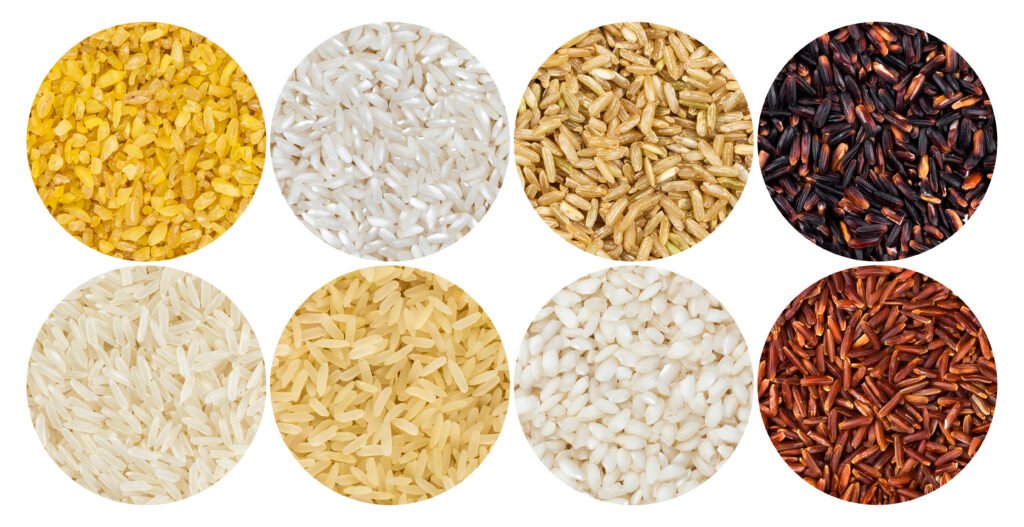
Rice processors may handle different materials, including white rice, brown rice, specialty rice, and other grain products. Each application may have different quality requirements and defect characteristics.
A flexible rice optical sorter allows operators to adjust sorting parameters according to:
- Raw material characteristics
- Target defect categories
- Product quality requirements
- Production capacity
This adaptability helps processors respond to changing market demands and different customer expectations.
Key Factors When Selecting a Rice Optical Sorter
Before purchasing a sorting machine, rice processors should evaluate several important factors rather than focusing only on equipment price.
| Evaluation Factor | Why It Matters |
| Sorting Accuracy | Determines the ability to remove unwanted grains while protecting yield |
| Processing Capacity | Ensures the machine matches production requirements |
| Detection Technology | Determines suitability for different defect types and applications |
| Recovery Rate | Helps reduce unnecessary product loss |
| Maintenance Requirements | Influences long-term operating costs |
| Supplier Support | Ensures stable operation after installation |
A suitable sorting solution should be selected according to the actual production environment, rice characteristics, and quality objectives.
For example, a processor handling premium rice may prioritize appearance consistency and fine defect detection, while a large industrial mill may focus more on throughput, stability, and continuous operation.
FAQ About Aflatoxin Removal and Optical Rice Sorting
Can optical sorters completely remove aflatoxin from rice?
No. Optical sorters do not directly eliminate aflatoxin compounds from rice grains and cannot replace laboratory testing, proper storage management, or preventive food safety practices.
However, optical sorting supports Aflatoxin Removal strategies by identifying and removing grains with physical characteristics commonly associated with mold damage, deterioration, or abnormal quality.
Some advanced optical sorting systems may use additional spectral technologies, such as infrared-based detection or other specialized sensors, to analyze material differences beyond normal visible inspection. The actual capability depends on the machine configuration and application requirements.
What rice defects can optical sorting machines detect?
Depending on the machine configuration and sorting technology, optical sorters can identify many quality-related defects, including:
- Discolored grains
- Yellow rice
- Chalky rice
- Broken kernels
- Dark spots
- Foreign materials
- Abnormal grain appearance
Advanced systems analyze multiple characteristics such as color, shape, and texture to improve separation accuracy.
How does a rice color sorter machine improve rice quality?
A rice color sorter machine improves product quality by inspecting individual grains and automatically separating unwanted materials from acceptable rice.
This helps processors:
- Improve product appearance
- Reduce visible defects
- Increase production consistency
- Reduce dependence on manual inspection
For commercial rice processors, optical sorting creates a more stable and efficient quality control process.
What should rice processors consider before buying an optical sorter?
Before purchasing a sorting machine, buyers should evaluate:
- Type of rice being processed
- Required production capacity
- Target defect categories
- Required sorting accuracy
- Detection technologies needed
- Maintenance requirements
- Supplier technical support
The best equipment choice depends on matching the machine’s capabilities with the actual processing environment rather than simply selecting the highest-capacity model.
Is optical sorting suitable for small and large rice processors?
Yes. Optical sorting solutions can be configured for different production scales.
Small processors may prefer compact systems with lower space requirements and flexible operation, while large rice mills usually require high-capacity equipment designed for continuous production.
The key is selecting a machine that matches the processor’s material characteristics, production volume, and quality objectives.
Conclusion: Optical Sorting Helps Build Safer and Higher-Quality Rice Processing
Aflatoxin risk management in rice requires a comprehensive approach that combines prevention, monitoring, testing, and advanced processing technology. While optical sorting cannot replace laboratory analysis or proper storage practices, it provides an effective solution for improving rice quality by identifying and removing abnormal grains during processing.
With technologies such as intelligent image recognition, AI-based analysis, advanced optical sensors, and precision rejection systems, modern rice optical sorter machines help processors achieve more consistent quality, reduce defects, and improve production efficiency.
For rice mills planning to upgrade their quality control capabilities, selecting the right optical sorting solution is an important step toward producing cleaner, safer, and more competitive rice products. A professional sorting system designed around specific material characteristics and production requirements can help maximize product value and support long-term business growth.
If you are evaluating a rice color sorter machine for your processing line, our team can help analyze your rice type, defect characteristics, and production requirements to recommend a suitable optical sorting solution.