Polypropylene (PP) and Polyethylene (PE) are two of the most widely used plastics in modern manufacturing. They are found in packaging materials, household products, automotive components, industrial containers, films, bottle caps, and many other applications. Because both materials belong to the polyolefin family, they share similar characteristics, including low density, chemical resistance, and excellent durability.
However, these similarities create one of the biggest challenges in modern plastic recycling: PP and PE separation.
For recycling companies processing mixed plastic waste, accurately separating PP and PE is essential for producing high-quality recycled materials. Although these two polymers often appear almost identical to the human eye, they have different molecular structures, melting behaviors, and processing characteristics. When PP and PE remain mixed after sorting, recycled materials may experience inconsistent performance, reduced mechanical properties, and limited application possibilities.
Traditional manual sorting methods are becoming increasingly difficult to maintain in large-scale recycling operations. As plastic waste streams become more complex, recycling facilities require advanced plastic sorting technologies that can identify different polymers quickly, accurately, and consistently.
Optimizing polyolefin separation in mixed plastic recycling has therefore become an important step for companies seeking to improve material recovery efficiency, increase recycled plastic value, and build more sustainable recycling processes.
Why PP and PE Are Difficult to Separate in Plastic Recycling
The difficulty of PP and PE separation comes from their similar physical appearance, chemical characteristics, and behavior during traditional recycling processes.
Both PP and PE are lightweight polyolefin plastics with excellent moisture resistance. Due to their durability and versatility, they are widely used across different industries, which means they frequently appear together in post-consumer and industrial plastic waste streams.
Common applications include:
| Plastic Type | Common Applications | Recycling Challenge |
| PP (Polypropylene) | Food containers, bottle caps, automotive parts, woven bags, household products | Similar appearance to PE products |
| PE (Polyethylene) | Plastic films, bottles, containers, pipes, flexible packaging | Often mixed with PP during collection and processing |
A major challenge is that traditional density-based separation methods cannot effectively isolate PP from PE.
Many recycling facilities use sink-float separation because different plastics often have different densities. However, PP and PE both have densities close to or below water density, which means they usually float together in standard water separation systems.
- PP density: approximately 0.90–0.92 g/cm³
- PE density: approximately 0.91–0.97 g/cm³
- Water density: approximately 1.0 g/cm³
Because both materials remain on the same side of the density separation process, additional identification technology is required for high-purity PP and PE separation.
During recycling collection, these materials are also commonly mixed with:
- Labels and adhesives
- Different colors and pigments
- Foreign materials
- Other polymer types
- Surface contamination
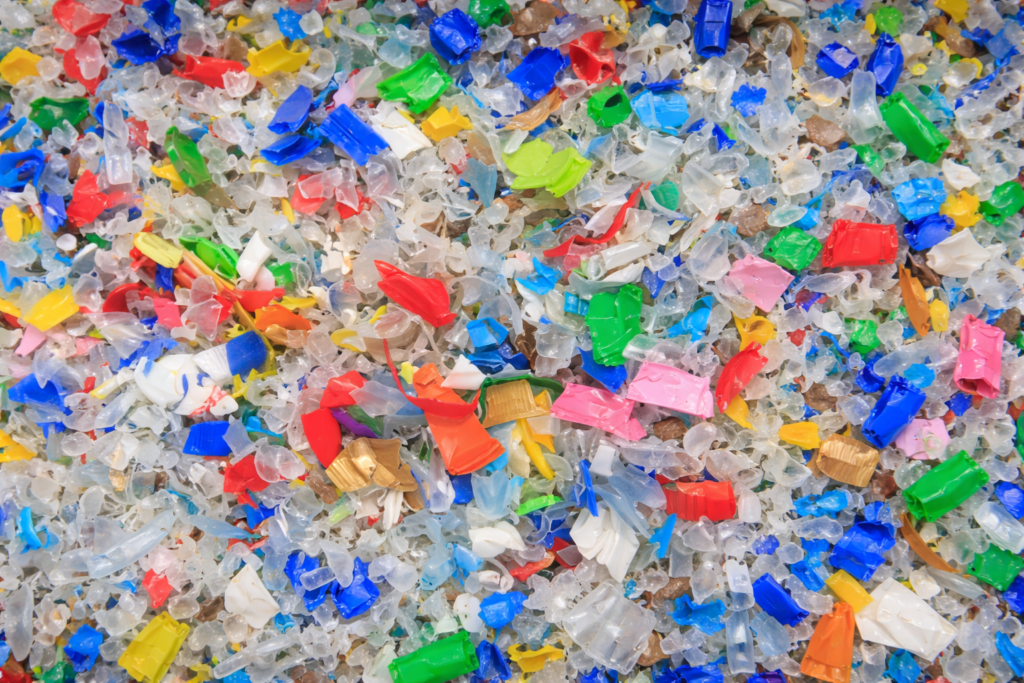
A white PP container and a white PE container may look identical. A transparent PE film and a transparent PP sheet can also appear very similar. This makes manual sorting unreliable, especially when processing thousands of kilograms of plastic waste per hour.
For industrial recycling facilities, automated polymer identification and sorting technology provide a more stable and scalable solution.
The Role of Polyolefin Identification Technology in PP and PE Sorting
Modern plastic recycling relies on identifying materials according to their polymer composition rather than only their appearance.
This is where sensor-based sorting technology plays a critical role.
Unlike manual inspection, advanced plastic sorting systems use optical sensors and near-infrared (NIR) technology to analyze the unique response patterns of different polymers. Each plastic type has different infrared characteristics because of its molecular structure. By detecting these differences, sorting systems can identify PP, PE, PET, ABS, PS, and other polymer materials.
For PP and PE separation, NIR technology provides an important advantage because it can recognize polymer differences even when plastics have similar colors, shapes, or surface conditions.
A typical polyolefin sorting process includes several important stages:
Material Feeding and Preparation
Before sorting begins, plastic materials are usually processed through crushing, washing, and preparation steps to create a stable material flow.
Consistent particle size and cleaner material surfaces help sensors capture more accurate information and improve sorting efficiency.
Sensor Detection and Material Recognition
When plastic particles move through the sorting area, high-speed sensors collect information from each individual piece. The system analyzes spectral data, visual characteristics, and material patterns to determine the polymer type.
Modern sorting solutions often combine:
- High-resolution optical cameras
- Near-infrared (NIR) sensors
- AI-assisted recognition algorithms
- Intelligent image processing systems
This multi-technology approach helps recycling facilities handle complex plastic streams more effectively.
Precision Air Ejection
After identifying target materials, the sorting system calculates the exact position of each plastic particle. High-speed air valves then remove selected materials from the main material flow and separate them into different output streams.
The result is a cleaner PP or PE fraction with improved purity and greater recycling value.
PP vs. PE Recycling: Why Separation Purity Matters
For recycling companies, separation accuracy directly affects the quality and commercial value of recycled plastics.
PP and PE may belong to the same polyolefin family, but they behave differently during processing.
Because they are thermodynamically incompatible, PP and PE do not fully mix at the molecular level. Their different melting characteristics can create problems during extrusion and pellet production.
For example:
- PP generally melts at around 160–165°C.
- PE melting temperature varies depending on type, usually around 105–135°C.
When these materials remain mixed, manufacturers may experience:
Reduced Material Performance
Mixed PP and PE can create weak points in recycled products, affecting strength, flexibility, and consistency.
Lower Recycled Plastic Value
High-quality recycled resin requires stable polymer composition. Buyers usually prefer materials with predictable performance for manufacturing applications.
More Difficult Downstream Processing
Extrusion, pelletizing, and molding processes perform more efficiently when input materials have controlled polymer composition. Poor separation can increase production problems and reduce overall efficiency.
For this reason, improving PP and PE separation is not only a technical requirement but also a key factor in increasing the profitability of plastic recycling operations.
How NIR Sorting Technology Improves PP and PE Separation Efficiency
As the recycling industry moves toward higher-quality recycled materials, traditional sorting methods alone can no longer meet the requirements of modern recycling plants. This is especially true for polyolefin separation, where PP and PE have similar appearances and often appear together in mixed plastic streams.
Near-infrared (NIR) sorting technology has become one of the most effective solutions for identifying and separating different polymers. Instead of relying only on visible characteristics such as color or shape, NIR systems analyze the unique infrared response patterns of plastics.
Different polymers absorb and reflect near-infrared light in different ways because their molecular structures are different. When plastic particles pass through the detection area, NIR sensors collect spectral information and compare it with material recognition data stored in the sorting system.
Based on this information, the equipment can identify whether each particle is:
- Polypropylene (PP)
- Polyethylene (PE)
- PET
- ABS
- PS
- Other polymer materials
After identification, the control system calculates the position of each target particle and activates precision air jets to separate selected materials from the main stream.
Compared with manual sorting or basic mechanical separation methods, NIR-based sorting provides several important advantages:
Higher Polymer Recognition Accuracy
NIR technology can identify plastic materials based on their molecular characteristics, allowing the system to separate plastics that look almost identical.
This is especially valuable for PP and PE recycling because color-based sorting cannot reliably distinguish between these two materials.
Stable Continuous Operation
Large recycling facilities often process several tons of plastic materials per hour. Automated sorting systems can operate continuously with consistent performance, reducing dependence on manual labor.
Better Recovery Rate and Material Purity
An effective sorting system needs to balance two goals:
- Removing unwanted materials
- Maintaining recovery of valuable plastics
Poor sorting accuracy may reduce recycled material quality, while excessive rejection may cause unnecessary product loss. Modern sorting systems are designed to improve both purity and recovery efficiency.
Flexible Polymer Sorting Applications
Many advanced sorting systems are not limited to one plastic type. With suitable configurations, they can process different polymer streams, including plastic flakes, bottles, and mixed rigid plastics.
This flexibility allows recycling companies to adapt their production lines as material sources and market requirements change.
Key Factors When Choosing a PP and PE Sorting Machine for Recycling Plants
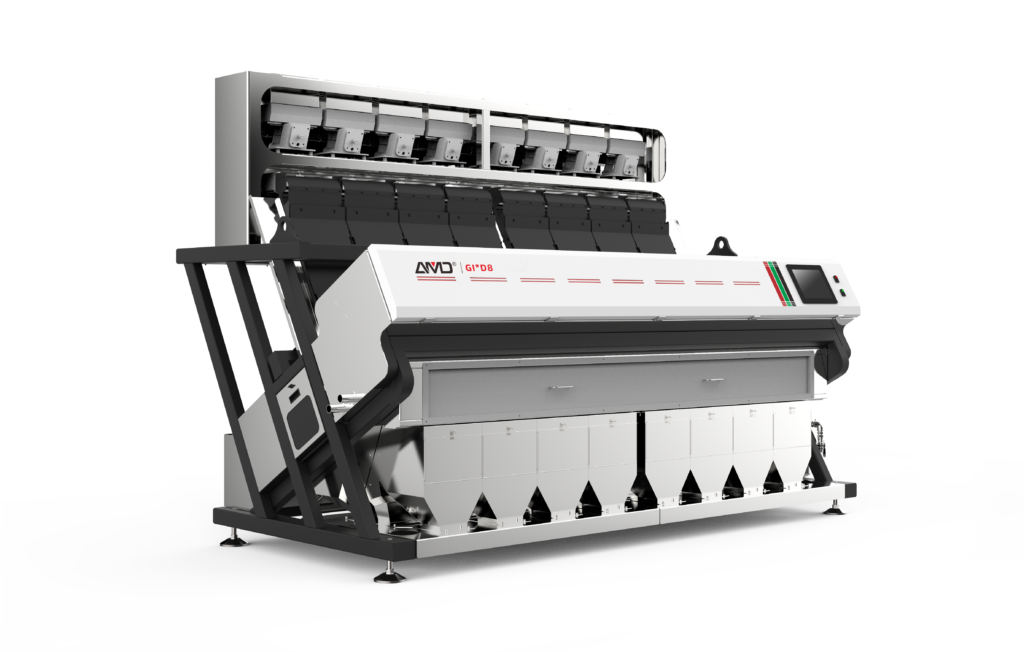
Selecting the right plastic sorting machine is an important investment decision for recycling companies. The best solution depends not only on sorting technology but also on material characteristics, production requirements, and future business goals.
Before purchasing equipment, recycling operators should evaluate several key factors.
Material Characteristics and Input Quality
The first step is understanding the material being processed.
Different recycling streams create different sorting challenges. A facility processing clean industrial plastic waste may require a different solution compared with a plant handling post-consumer mixed plastics.
Important factors include:
- PP and PE content ratio
- Particle size after crushing
- Material shape and thickness
- Surface contamination
- Moisture level
- Presence of labels, pigments, and additives
For example, washed plastic flakes usually provide better sorting conditions because cleaner surfaces allow sensors to capture clearer material information.
A professional sorting solution should match the actual characteristics of the incoming material rather than using a standard configuration for every application.
Sorting Accuracy and Required Product Purity
Different recycling businesses have different quality targets.
Some facilities only need basic polymer separation to improve downstream processing, while others require high-purity recycled materials for applications with strict quality requirements.
When evaluating equipment performance, buyers should consider:
- Polymer identification accuracy
- Recovery rate of valuable materials
- Reject efficiency
- Long-term sorting stability
- Ability to handle changing material conditions
A reliable plastic sorting machine should remove unwanted materials while protecting valuable PP and PE fractions.
For recycling companies, higher purity can directly increase the market value of recycled materials and create more opportunities for selling processed polymers.
Processing Capacity and Production Requirements
Equipment capacity must match the actual production scale of the recycling plant.
A sorting machine that performs well under testing conditions may not provide sufficient performance in a high-volume commercial recycling line.
Important considerations include:
- Required throughput
- Conveyor design
- Material feeding stability
- Operating hours per day
- Integration with existing recycling equipment
The sorting system should improve the overall recycling process instead of becoming a production bottleneck.
A well-designed solution should provide stable operation while maintaining sorting accuracy throughout long-term production.
Combining AI and Multi-Sensor Technology for Better Plastic Separation
Modern plastic sorting technology is becoming increasingly intelligent. Instead of depending on a single identification method, advanced systems combine multiple technologies to improve recognition performance.
AI-based image processing helps analyze complex material conditions and improves decision-making accuracy. When combined with optical cameras and NIR sensors, AI can help identify challenging plastic streams more effectively.
This is particularly useful in PP and PE separation because recycled plastics often contain:
- Mixed colors
- Printed surfaces
- Small particles
- Similar-looking materials
- Foreign contaminants
A multi-sensor approach allows sorting systems to process more complicated recycling streams while maintaining stable performance.
Modern sensor-based sorting solutions are widely used for applications such as polymer sorting, plastic flake sorting, bottle sorting, and engineering plastic separation. By combining optical recognition, NIR identification, and intelligent processing technologies, recycling facilities can improve material recovery efficiency and produce higher-quality recycled plastics.
For companies planning long-term recycling expansion, choosing an adaptable sorting platform can provide greater flexibility as waste streams become more diverse.
Optimizing Polyolefin Recycling with the Right Sorting Strategy
PP and PE separation is not only a technical challenge; it is also a strategic decision for recycling businesses.
A successful recycling operation needs to balance:
- Sorting accuracy
- Processing capacity
- Equipment reliability
- Operating cost
- Future expansion requirements
Before investing in a plastic sorting machine, companies should ask:
- What types of plastic materials are processed today?
- Will future waste streams become more complex?
- What purity level do customers require?
- How much automation is needed?
- Can the equipment integrate with the existing recycling line?
The right sorting strategy can help recycling plants reduce manual labor, improve recycled material quality, and increase the value of recovered plastics.
For companies processing mixed polyolefin waste, the objective is not simply separating PP from PE. The real goal is creating a stable and efficient recycling system that converts difficult mixed plastics into valuable resources.
FAQ: PP and PE Separation in Mixed Plastic Recycling
1. Why is PP and PE separation important in plastic recycling?
PP and PE have different processing characteristics and melting behaviors. When these materials remain mixed, recycled plastics may have inconsistent quality, reduced mechanical performance, and lower market value. Accurate separation helps produce cleaner recycled polymers for more demanding applications.
2. Can manual sorting separate PP and PE effectively?
Manual sorting is difficult because PP and PE often have similar colors, shapes, and surface appearances. For large-scale recycling operations, automated sorting technologies such as optical and NIR systems provide more consistent separation results.
3. What technology is commonly used for PP and PE separation?
Near-infrared (NIR) sorting technology is widely used because it identifies polymers based on their molecular characteristics rather than visual appearance. Modern systems may also combine AI recognition and optical imaging to improve sorting performance.
4. What should I consider before purchasing a PP and PE sorting machine?
Buyers should evaluate material type, throughput requirements, purity targets, contamination levels, equipment flexibility, and supplier support. The ideal machine should match the specific recycling process and production goals.
5. Can one plastic sorting machine process different polymer materials?
Many modern polymer sorting systems can handle multiple plastic categories, including PP, PE, PET, ABS, and PS. However, the configuration should be selected according to the incoming material stream and required output quality.
Improve PP and PE Recycling Efficiency with Advanced Sorting Solutions
As demand for recycled plastics continues to increase, efficient polyolefin separation has become an essential part of modern recycling operations.
Although PP and PE share many similar characteristics, advanced sorting technologies make it possible to separate these materials with greater accuracy and consistency. By combining NIR detection, intelligent recognition, and optimized sorting processes, recycling companies can improve material purity, reduce waste, and increase the value of recovered plastics.
Choosing the right plastic sorting equipment requires a clear understanding of material challenges, production requirements, and future recycling goals.
A professional sorting solution can help recycling businesses achieve more stable operations and prepare for the changing demands of the recycled plastics market.
If you are looking for a suitable solution for PP, PE, and mixed plastic separation, contact PolySorter to discuss your material characteristics, processing capacity, and sorting requirements. Our team can help recommend a suitable polymer sorting solution for your recycling line.