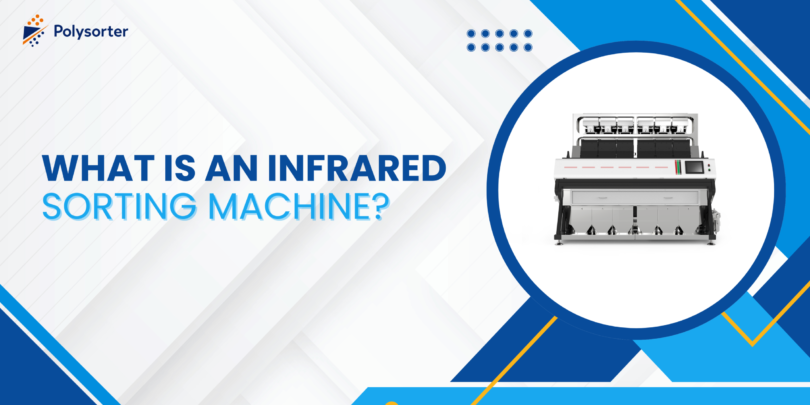
The increasing demand for recycled plastics has created new challenges for recycling companies worldwide. As plastic waste streams become more complex, separating different polymer types efficiently has become essential for producing high-quality recycled materials. Traditional sorting methods often struggle because many plastics have similar colors, shapes, and appearances, even though their chemical compositions are completely different.
An infrared sorting machine provides an advanced solution by using near-infrared (NIR) technology to identify plastics based on their molecular characteristics. Instead of relying only on visible appearance, this technology analyzes how different polymers interact with infrared light and separates materials according to their unique spectral signatures.
For recycling facilities processing PET bottles, plastic flakes, PP, PE, engineering plastics, or mixed polymer streams, infrared sorting technology can significantly improve sorting accuracy, reduce contamination, and increase the value of recovered materials. However, choosing the right sorting equipment requires more than comparing machine capacity or price. Buyers need to understand how the technology works, what materials it can process, and which configuration matches their production requirements.
This guide explains how an infrared sorting machine works, where it is used, its advantages compared with traditional sorting methods, and the key factors to consider before investing in a plastic recycling sorter.
What Is an Infrared Sorting Machine and How Does It Work?
An infrared sorting machine is an automated sorting system that identifies materials by detecting their infrared spectral characteristics. In plastic recycling applications, most systems use near-infrared spectroscopy technology, commonly known as NIR sorting technology.
Different plastics have different molecular structures. When infrared light reaches a plastic surface, certain wavelengths are absorbed while others are reflected back. These reflection patterns create a unique spectral fingerprint for each polymer type.
The sorting system captures this information through high-speed sensors and compares the detected signals with a material recognition database. Once the machine identifies the plastic type, the control system determines whether the material should be accepted or rejected.
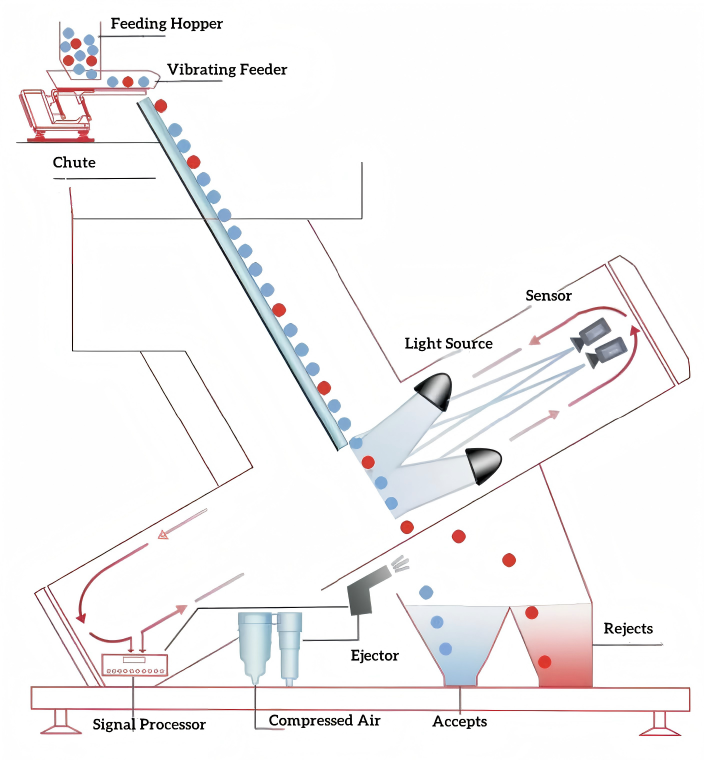
The complete sorting process usually includes four main stages:
1. Material Feeding and Transportation
Mixed plastic materials enter the sorting system through a controlled feeding mechanism. Depending on the application, recycling plants may use different feeding designs.
For example:
- Conveyor systems are commonly used for larger materials such as plastic bottles.
- Gravity-fed chute systems are suitable for smaller materials such as plastic flakes and pellets.
A stable feeding process ensures that individual pieces pass through the detection area separately, improving recognition accuracy.
2. Infrared Scanning and Polymer Recognition
During operation, infrared sensors continuously scan each plastic piece as it moves through the sorting area.
The system analyzes the reflected infrared spectrum and identifies polymer categories such as:
- PET
- PP
- PE
- PVC
- PS
- ABS
- Other engineering plastics
Because the identification process depends on molecular characteristics rather than surface appearance, the machine can separate plastics that look almost identical to the human eye.
3. Intelligent Processing and Sorting Decision
After collecting spectral information, the machine’s software analyzes the data and makes a sorting decision within milliseconds.
Modern sorting systems may combine:
- NIR sensors
- Visible light cameras
- Artificial intelligence algorithms
- Intelligent recognition software
This combination helps improve sorting performance when recycling facilities handle complex material streams.
4. Precision Air Ejection
After identifying target materials, the system activates high-speed air valves to remove selected particles from the material flow.
The precision ejection process allows recycling plants to separate unwanted polymers while minimizing the loss of valuable recyclable materials.
This combination of infrared detection, intelligent recognition, and automatic separation allows modern recycling facilities to process large volumes of plastics with stable and consistent performance.
Why Infrared Technology Is Important for Plastic Recycling
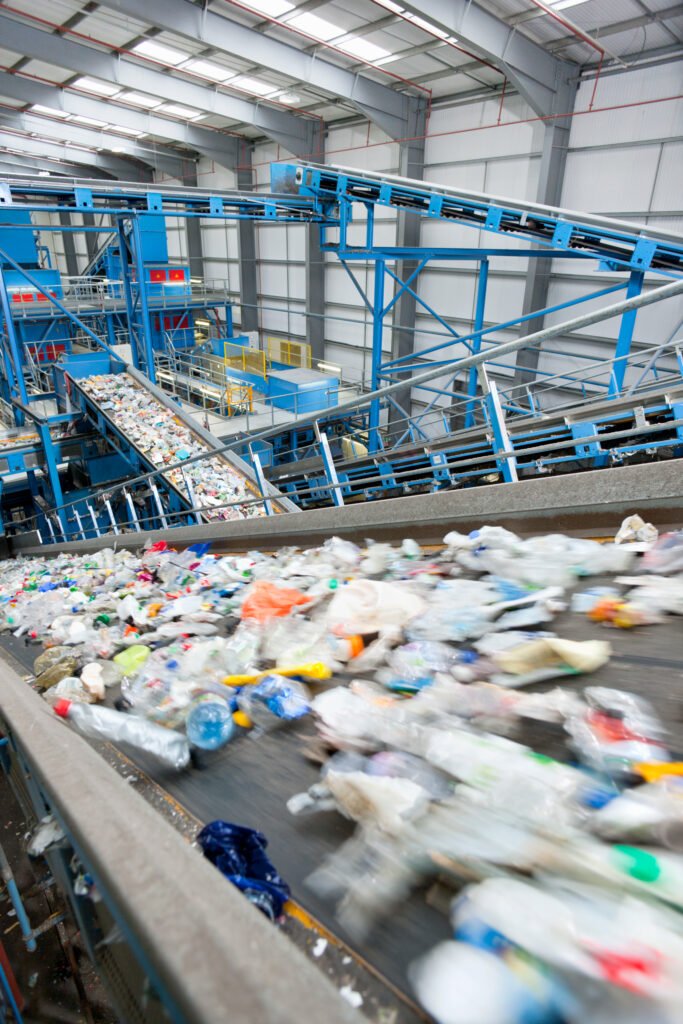
One of the biggest challenges in plastic recycling is that many polymers look similar but require different recycling processes.
For example, transparent PET bottles and transparent PP containers may have nearly identical appearances. However, their chemical structures and recycling applications are completely different.
Traditional manual sorting depends heavily on human workers identifying materials visually. This approach becomes increasingly difficult when recycling plants handle large quantities of mixed plastics.
An infrared sorting machine solves this problem by identifying materials based on polymer composition instead of appearance.
This provides several important advantages:
- PET flakes can be separated from unwanted polymers to improve recycled PET quality.
- PP and PE materials can be classified into different recycling streams.
- Engineering plastics can be separated according to polymer type.
- Mixed plastic waste can be converted into cleaner and more valuable recycled materials.
Modern sensor-based plastic sorting systems are designed for applications including bottle sorting, flake sorting, polymer separation, and specialized plastic recovery processes. Different configurations can be selected according to material characteristics, particle size, and production requirements.
A Key Technical Challenge: Can Infrared Sorting Machines Identify Black Plastics?
Although NIR technology provides excellent performance for many plastic applications, it also has technical limitations.
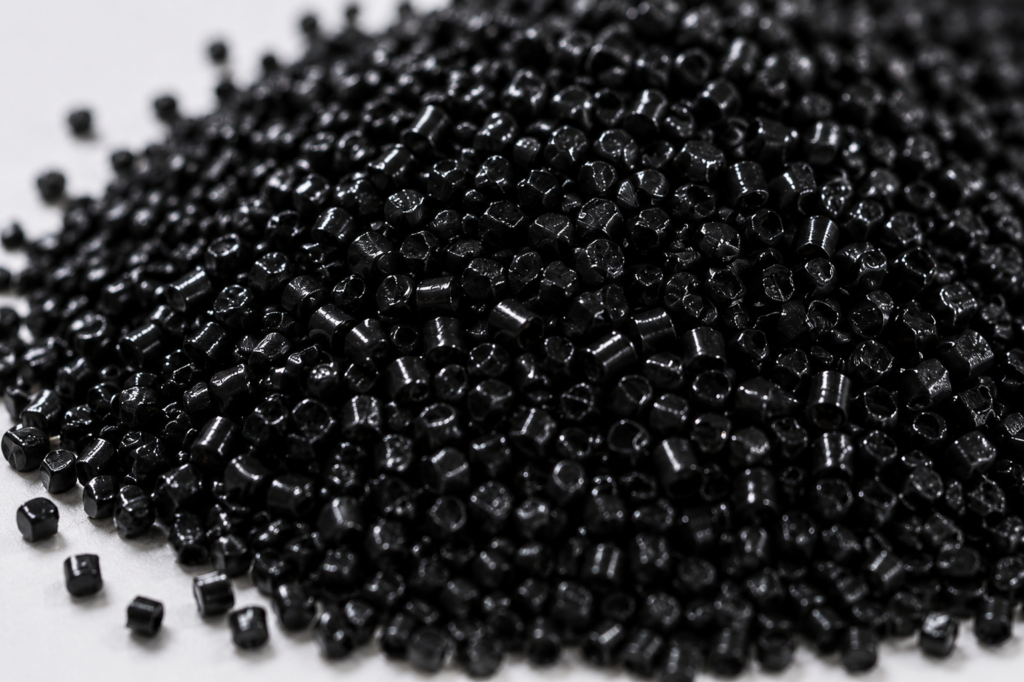
Standard infrared sorting machines may struggle with black plastics containing carbon black pigments. This is because carbon black absorbs most near-infrared light, making it difficult for conventional NIR sensors to obtain a clear material signal.
For this reason, recycling companies processing large amounts of dark-colored plastics may need additional identification technologies, such as:
- Visible light cameras
- AI-based image recognition
- Alternative infrared technologies
Understanding this limitation is important when selecting a sorting system. A suitable solution should match not only the plastic type but also the color characteristics and contamination level of the incoming material.
Infrared Sorting Machine vs. Traditional Plastic Sorting Methods
When investing in plastic recycling equipment, many companies compare different sorting technologies before making a decision. Although manual sorting, color sorting, and mechanical separation methods still have applications in some recycling processes, they often face limitations when dealing with complex mixed plastic streams.
An infrared sorting machine provides a different approach because it identifies materials according to their polymer composition rather than relying only on external characteristics.
Understanding the differences between these sorting methods helps recycling operators choose the right technology for their production goals.
| Sorting Method | Identification Principle | Advantages | Limitations |
| Manual Sorting | Human visual inspection and experience | Flexible for small volumes and unusual materials | High labor cost, inconsistent accuracy, difficult for large-scale processing |
| Color Sorting | Visible color differences | Effective for separating materials with clear color variations | Cannot reliably identify different polymers with similar appearance |
| Density Separation | Material density differences | Simple structure and suitable for certain applications | Limited separation accuracy when materials have similar densities |
| Infrared Sorting | Molecular composition and infrared spectral characteristics | High polymer recognition accuracy, automated operation, suitable for mixed plastics | Requires suitable sensor configuration and proper material preparation |
Compared with traditional methods, infrared sorting technology provides a significant advantage in applications where plastics have similar colors but different material properties.
For example, separating PP from PE or removing PVC contamination from PET streams can be challenging through visual inspection alone. An infrared plastic sorting machine can recognize these differences automatically, helping recycling plants produce cleaner output materials.
For companies upgrading their recycling lines, the choice is not always about replacing every existing sorting method. In many cases, infrared sorting technology works as a key stage within a complete recycling system, improving the accuracy and efficiency of material separation.
Infrared Sorting Machine Applications in Plastic Recycling
The increasing demand for recycled plastics has made accurate polymer separation a critical step in modern recycling operations. Before recycled materials can return to manufacturing processes, mixed plastic streams usually require effective separation to remove unwanted polymers and improve purity.
An infrared sorting machine is widely used because it can identify different plastics based on their molecular characteristics. This makes it suitable for applications where traditional sorting methods cannot achieve sufficient accuracy.
PET Sorting and Purification
PET is one of the most valuable recyclable plastics and is commonly used in beverage bottles, packaging containers, and food-related applications.
During recycling, PET materials often contain contaminants such as:
- PP bottle caps
- PE components
- PVC materials
- Other polymer fragments
Even small amounts of contamination can affect the quality of recycled PET products.
An infrared sorting machine can detect the differences between PET and other plastics by analyzing their infrared reflection patterns. This allows recycling facilities to remove unwanted materials and improve the purity of PET flakes.
Higher-quality PET output provides better processing stability and increases the value of recycled materials.
PP and PE Plastic Separation
Polypropylene (PP) and polyethylene (PE) are widely used in packaging, household products, industrial containers, and consumer goods.
However, separating PP and PE can be challenging because both materials often have similar:
- Colors
- Shapes
- Physical appearances
Traditional visual sorting methods cannot easily distinguish these polymers.
A NIR sorting machine identifies the molecular differences between PP and PE, allowing recycling plants to create cleaner polymer streams.
This separation capability is especially important for companies producing recycled pellets or flakes because different polymers usually require different processing conditions and end-use applications.
Mixed Plastic Recycling Applications
Many recycling facilities receive plastic waste from multiple sources, including:
- Post-consumer packaging
- Industrial plastic waste
- Commercial collection systems
- Manufacturing scrap
These streams may contain a mixture of:
- PET
- PP
- PE
- PVC
- PS
- ABS
- Other engineering plastics
Without advanced sorting technology, separating these materials requires significant labor and often results in lower recovery efficiency.
An infrared sorting machine can automatically recognize different polymer categories and separate target materials from mixed streams.
This helps recycling companies:
- Improve material recovery rates
- Reduce contamination
- Increase recycled plastic quality
- Expand the range of materials they can process
Engineering Plastic Sorting
Beyond common packaging plastics, infrared sorting technology is also valuable for engineering plastic recovery.
Materials such as:
- ABS
- PS
- PC
- PMMA
are commonly used in automotive parts, electronics, and industrial components. These materials often have higher recycling value but require accurate identification before reuse.
Mixed engineering plastics can be difficult to separate because different polymers may share similar colors and surface appearances.
An infrared sorting machine provides a more reliable solution by identifying materials based on their internal polymer characteristics rather than external appearance.
Benefits of Using an Infrared Sorting Machine for Plastic Separation
For recycling companies, investing in an infrared sorting machine is not only about improving sorting speed. The technology can directly influence production efficiency, material quality, and long-term business performance.
Higher Sorting Accuracy and Material Purity
The most important advantage of infrared sorting technology is its ability to identify polymers based on molecular differences.
Unlike traditional sorting methods that depend on visible characteristics, infrared detection can recognize materials that look almost identical.
This helps reduce contamination levels in recycled plastics and allows companies to produce higher-quality recycled materials.
For manufacturers purchasing recycled polymers, material purity is often a key factor affecting acceptance and pricing.
Improved Processing Efficiency
Large-scale recycling operations need stable equipment that can handle continuous material flows.
An infrared plastic sorting machine automates the identification and separation process, reducing dependence on manual inspection.
This allows recycling facilities to:
- Process higher volumes of material
- Maintain consistent sorting performance
- Reduce production interruptions
- Improve overall line efficiency
Automation becomes especially valuable when recycling plants handle complex mixed plastic streams that require continuous separation.
Reduced Labor Requirements
Manual plastic sorting requires significant manpower and can become difficult to manage as production volume increases.
By automating polymer identification, infrared sorting systems reduce the need for workers to manually distinguish different plastic materials.
This not only lowers labor pressure but also improves workplace conditions by reducing direct exposure to mixed waste materials.
Increased Value of Recycled Plastics
The final value of recycled plastics depends heavily on material quality.
Plastic streams with high contamination levels often have limited applications and lower market value.
By improving polymer separation accuracy, infrared sorting machines help recycling companies produce cleaner materials that are more attractive to downstream manufacturers.
For businesses planning long-term recycling operations, investing in accurate sorting technology can improve both operational efficiency and market competitiveness.
How to Choose the Right Infrared Sorting Machine for Your Recycling Line
Choosing the right infrared sorting machine is an important investment decision for recycling companies. Different recycling facilities handle different types of materials, production volumes, and quality requirements, so there is no single configuration that works for every application.
A suitable sorting system should not only provide accurate polymer identification but also match the actual operating conditions of the recycling line. Before purchasing equipment, buyers should evaluate several important factors, including material characteristics, sensor technology, processing capacity, sorting targets, and supplier support.
1. Understand the Plastic Materials You Need to Sort
The first step in selecting an infrared plastic sorting machine is understanding the characteristics of the incoming materials.
Different recycling applications may involve:
- Plastic bottles
- PET flakes
- PP and PE materials
- Mixed household plastics
- Engineering plastics
- Plastic pellets
Each material stream creates different sorting challenges.
For example, a PET flake recycling line usually focuses on removing polymer contaminants and improving material purity. A mixed plastic recycling line may require broader identification capabilities to separate multiple polymer types.
Before selecting equipment, recycling companies should clearly define:
- What plastics are entering the sorting line?
- Which materials need to be removed?
- What purity level is required?
- What is the expected production capacity?
- Is the goal polymer separation, color separation, or both?
A clear understanding of these requirements helps buyers avoid choosing equipment that does not match their actual application.
2. Evaluate Infrared Sensor Technology and Recognition Capability
The performance of an infrared sorting machine depends heavily on its detection system.
A reliable sorting solution should provide:
- Stable polymer recognition
- Fast material identification
- Consistent sorting accuracy
- Reliable operation during continuous production
Modern NIR sorting machines often combine infrared sensors with intelligent software algorithms to improve recognition performance.
For more complex applications, some systems may integrate multiple detection methods, including:
- Near-infrared sensors
- Visible light cameras
- Artificial intelligence-based recognition
This combination allows recycling plants to handle materials with different colors, shapes, and surface conditions more effectively.
The selected sensor configuration should match the actual material characteristics rather than simply choosing the most advanced technology available.
3. Consider Processing Capacity and Feeding Method
Processing capacity is another important factor when purchasing a plastic recycling sorter.
A recycling line with high material output requires equipment that can maintain stable sorting performance at continuous operating speeds.
When evaluating capacity, buyers should consider:
- Material flow rate
- Particle size range
- Conveyor width
- Feeding stability
- Required sorting stages
Different materials may require different feeding methods.
For example:
- Larger plastic bottles usually work well with conveyor-based sorting systems.
- Smaller flakes and pellets may require more controlled feeding systems to improve detection accuracy.
The ideal infrared sorting machine should balance throughput with sorting precision. A system that processes too much material beyond its optimal range may reduce accuracy, while an oversized machine may increase unnecessary investment.
4. Check Sorting Accuracy and Material Recovery Rate
Sorting performance is not only measured by how much material the machine removes. A high-quality sorting system must also minimize the loss of valuable recyclable materials.
Two important indicators are:
Sorting purity
This refers to how clean the final separated material is after unwanted plastics are removed.
Higher purity helps recycled plastics meet stricter downstream processing requirements.
Recovery rate
This refers to how much valuable material is successfully recovered during sorting.
A good infrared plastic sorting machine should achieve a balance between removing contaminants and maintaining product recovery.
For recycling companies producing recycled flakes or pellets, this balance directly affects profitability.
5. Consider Supplier Experience and Long-Term Support
Purchasing an infrared sorting machine is a long-term investment, not simply an equipment purchase.
Before choosing a supplier, recycling companies should evaluate:
- Technical consultation capability
- Installation support
- Operator training
- Maintenance service
- Spare parts availability
A reliable supplier should understand different recycling applications and help customers select the appropriate sorting configuration.
PolySorter focuses on intelligent optical sorting solutions for plastic recycling applications, helping customers improve material separation efficiency and adapt equipment configurations according to different sorting requirements.
Choosing a supplier with technical experience can reduce future operational problems and help ensure stable equipment performance throughout the machine’s service life.
Frequently Asked Questions About Infrared Sorting Machines
What plastics can an infrared sorting machine identify?
An infrared sorting machine can identify many common polymer types, including PET, PP, PE, PVC, PS, ABS, and other engineering plastics.
The actual sorting capability depends on factors such as sensor configuration, material condition, contamination level, and application requirements.
What is the difference between an infrared sorting machine and a NIR sorting machine?
An infrared sorting machine and a NIR sorting machine generally refer to similar sorting technologies used for material identification.
NIR stands for near-infrared, which is the most commonly used infrared technology in plastic recycling applications. The system identifies plastics by analyzing their unique spectral responses.
Is an infrared sorting machine better than a color sorting machine?
It depends on the sorting goal.
A color sorting machine identifies materials mainly according to visible appearance, while an infrared sorting machine identifies plastics based on molecular composition.
For applications where different plastics have similar colors but different polymer types, infrared sorting technology usually provides better separation performance.
Can an infrared sorting machine separate mixed plastics?
Yes. Mixed plastic separation is one of the main applications of infrared sorting technology.
The machine can analyze individual plastic pieces and separate different polymer categories automatically, helping recycling facilities improve output quality and reduce contamination.
Can infrared sorting machines sort black plastics?
Standard NIR sorting technology has limitations when processing black plastics containing carbon black because these pigments absorb infrared light.
For dark-colored plastics, recycling companies may need additional technologies, such as visible cameras, AI recognition, or alternative infrared solutions, depending on their application requirements.
How much maintenance does an infrared sorting machine require?
Maintenance requirements depend on the machine design and operating environment.
Regular maintenance usually includes:
- Cleaning sensors and optical components
- Checking air ejection systems
- Maintaining conveyor or feeding systems
- Updating software when required
Proper maintenance helps maintain sorting accuracy and extend equipment service life.
Conclusion: Choosing the Right Infrared Sorting Technology for Plastic Recycling
As recycling industries continue to demand higher-quality recovered materials, accurate polymer identification has become increasingly important. An infrared sorting machine provides an effective solution by separating plastics according to their material characteristics instead of relying only on appearance.
Compared with traditional sorting methods, infrared technology offers better polymer recognition, higher automation levels, and more stable sorting performance for complex plastic streams.
However, the best sorting solution depends on the specific application. Recycling companies should carefully evaluate material types, production capacity, sorting accuracy, and supplier capabilities before making an investment decision.
For companies processing PET, PP, PE, mixed plastics, or engineering polymers, selecting the right infrared plastic sorting machine can improve recycling efficiency, increase material value, and support long-term business growth.
PolySorter provides intelligent optical sorting solutions designed for modern plastic recycling applications. Contact our team to discuss your material characteristics and production requirements to find a suitable sorting solution for your recycling line.