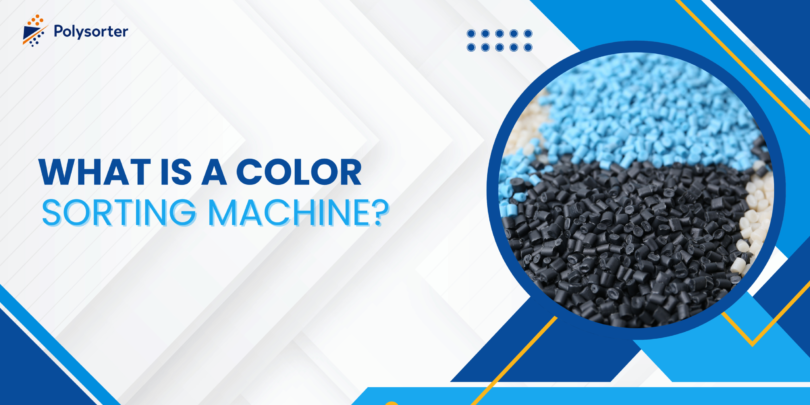
In modern manufacturing, recycling, and food processing industries, maintaining consistent product quality has become a critical requirement. A Color Sorting Machine is an automated optical sorting system that uses advanced imaging technology to identify and remove unwanted materials based on differences in color, shape, texture, and other visual characteristics.
Compared with manual inspection or traditional mechanical separation methods, modern color sorting equipment can analyze thousands of individual objects in real time. This helps processors improve product purity, reduce labor costs, minimize material loss, and maintain stable production quality.
Although the name suggests that these machines only separate materials according to color, modern sorting technology has developed far beyond simple color recognition. Advanced optical sorting systems combine high-resolution cameras, intelligent image processing, artificial intelligence (AI) algorithms, and precision air ejection systems to identify small differences between acceptable and defective materials.
This allows manufacturers to remove:
- Incorrect colors and appearance defects
- Contaminated materials
- Mixed materials
- Damaged products
- Quality variations
with much higher accuracy and efficiency.
Today, Color Sorting Machine technology is widely used in plastic recycling, agricultural processing, food production, and industrial material recovery. For example, in plastic recycling plants, optical sorting equipment can separate different colored plastic flakes, improve recycled material purity, and support higher-value recycling applications. In grain processing, it can identify discolored kernels, foreign particles, and damaged products to ensure consistent final output.
As demand for high-quality recycled materials and processed products continues to grow, automated sorting solutions have become an important investment for many businesses. However, choosing the right equipment can be challenging because different machines use different sensor technologies, feeding structures, and application designs. Understanding how a color sorting machine works and what features affect performance is essential before making a purchasing decision.
How Color Sorting Technology Developed: From Manual Inspection to Intelligent Sorting Systems
Before automated sorting equipment became widely available, many industries relied on manual labor to inspect and remove defective products. While manual sorting could handle simple applications, it had several limitations, including inconsistent accuracy, high labor costs, and reduced efficiency when processing large volumes of materials.
The development of optical sorting technology changed this situation. Early color sorting machines mainly relied on basic photoelectric sensors and simple color comparison methods. These systems could identify obvious differences, such as light and dark materials, but they struggled with complex sorting requirements involving subtle color changes, surface defects, and mixed materials.
With improvements in optical sensors, computing power, and artificial intelligence, modern sorting systems have become significantly more intelligent. Today’s machines can analyze multiple characteristics simultaneously, including:
- Color differences and shades
- Surface defects and contamination
- Shape and size variations
- Transparency differences
- Material characteristics and polymer types
- Surface texture patterns
High-performance optical systems capture detailed images of materials moving through the machine at high speed. Intelligent software then analyzes these images and compares them with predefined sorting standards to determine whether each item should be accepted or rejected.
AI technology has further improved sorting performance. AI-powered sorting systems can learn from material samples, optimize recognition parameters, and adapt to changing production conditions. This is especially valuable in applications such as recycled plastics, grains, seeds, and mixed industrial materials where natural variations can affect sorting accuracy.
Modern sensor-based sorting solutions also focus on improving production efficiency. Features such as intelligent feeding systems, automatic parameter adjustment, and digital monitoring help maintain stable operation while reducing material loss. These improvements allow processors to achieve higher recovery rates, better product consistency, and improved profitability.
How Does a Color Sorting Machine Work? The Core Process Behind Accurate Sorting
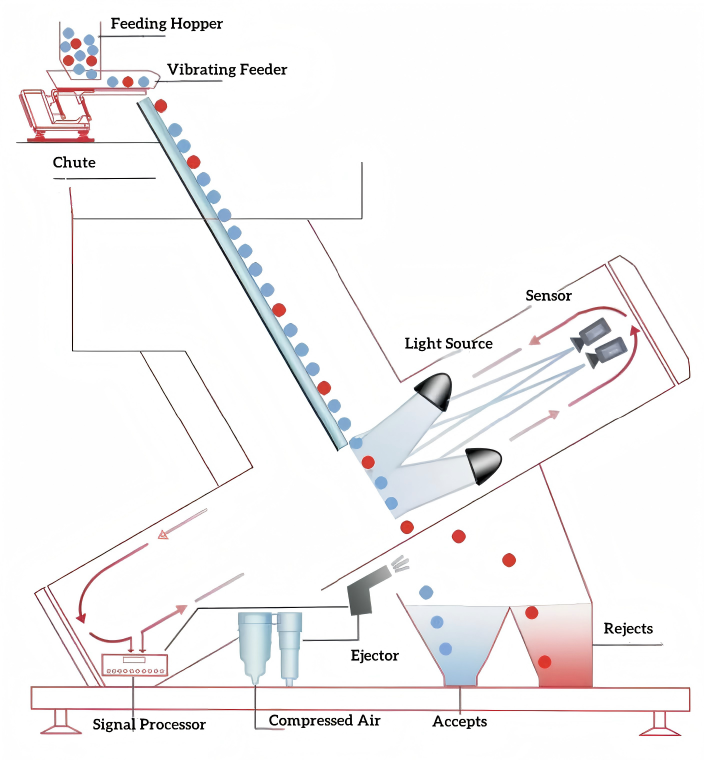
A Color Sorting Machine works through four main stages:
- Material feeding
- Optical detection
- Intelligent analysis
- Precision separation
Although machine designs vary depending on the application, most modern optical sorting systems follow a similar working principle.
1. Material Feeding and Uniform Distribution
The sorting process begins when raw materials enter the machine through a feeding system. A stable and consistent material flow is essential because uneven feeding or overlapping materials can reduce detection accuracy.
Based on feeding design, color sorting machines are generally divided into two main types:
Chute-Type Color Sorters (Gravity-Fed Systems)
Materials move downward through specially designed chutes using gravity. This structure is commonly used for free-flowing, granular materials such as:
- Rice
- Seeds
- Grains
- Small plastic flakes
The advantage of chute-type systems is their high processing efficiency and stable material flow, allowing cameras to capture clear images of individual particles.
Belt-Type Color Sorters
Materials are transported on a high-speed conveyor belt before inspection. This design is suitable for:
- Irregular materials
- Fragile products
- Sticky materials
- Larger particles or objects
Compared with chute systems, belt-type equipment provides more controlled material movement and reduces the risk of rolling, overlapping, or product damage.
Selecting the correct feeding structure is an important part of choosing an Industrial Color Sorting Machine, because material characteristics directly influence sorting accuracy and production efficiency.
2. Optical Detection and Image Capture
After passing through the feeding system, materials enter the inspection area where high-intensity LED lighting and advanced sensors collect detailed information from each object.
Depending on the application requirements, different detection technologies may be used.
Visible Light Cameras
Visible cameras are widely used for detecting:
- Color differences
- Brightness variations
- Surface defects
- Shape differences
They are commonly used in applications such as grain sorting, food inspection, and plastic flake color separation.
Near-Infrared (NIR) Sensors
NIR technology identifies differences in material characteristics that cannot be detected by visible cameras alone.
This makes it valuable in plastic recycling applications where different polymers may appear similar but have different compositions.
SWIR Sensors
Short-wave infrared (SWIR) sensors provide additional detection capability for separating materials with similar appearances but different chemical properties.
For example, in plastic recycling, SWIR technology can help distinguish materials such as PET, PP, and PVC that may look similar under normal lighting conditions.
Multispectral Imaging Systems
Multispectral systems combine multiple wavelengths to provide more detailed material information. This technology is useful for complex sorting applications that require higher recognition accuracy.
3. Intelligent Image Processing and Sorting Decision
After cameras and sensors collect information from passing materials, the data is immediately transferred to the machine’s image processing system. This stage acts as the “brain” of a modern Color Sorting Machine, where advanced algorithms analyze each object and determine whether it meets the required quality standards.
Traditional sorting systems mainly relied on simple color comparison. However, modern optical sorting equipment can evaluate multiple characteristics at the same time, including:
- Color and shade differences
- Surface contamination
- Shape variations
- Texture patterns
- Material characteristics
The sorting software compares real-time image data with predefined sorting parameters and makes decisions within milliseconds.
For example:
- In plastic recycling, the system can identify incorrect colors, mixed polymer flakes, and contaminated materials.
- In grain processing, it can detect yellow kernels, damaged grains, mold-affected products, and foreign particles.
- In food processing, it can remove products with abnormal appearance or surface defects.
AI-based recognition technology has further improved sorting performance. By learning from material samples and production data, AI algorithms can adapt to different material conditions and improve recognition accuracy over time.
This capability is especially important for industries that process complex materials. Recycled plastics often contain multiple polymer types and contamination sources, while agricultural products naturally vary in size, shape, and color. Advanced image processing allows sorting equipment to handle these challenges more effectively.
4. Precision Air Ejection and Material Separation
After identifying unwanted materials, the sorting system calculates the exact position and timing required for removal. The machine controller then activates high-speed precision air valves, also known as ejectors.
The rejection process happens within milliseconds. Controlled compressed air pulses push defective particles away from the main material stream and direct them into a separate reject channel, while qualified materials continue through the production line.
The performance of this process directly affects two important factors:
Sorting Accuracy
A precise ejection system ensures that unwanted materials are effectively removed without missing defective particles.
Product Recovery Rate
A well-designed system minimizes the rejection of valuable materials, helping businesses maintain a high recovery rate and reduce unnecessary material loss.
For industrial applications, reducing good product loss is critical because even a small amount of unnecessary rejection can affect overall profitability. Therefore, modern sorting systems focus not only on removing defects but also on maintaining a low carryover ratio.
Applications of Color Sorting Machines Across Different Industries
A major advantage of modern Color Sorting Machine technology is its flexibility. Unlike traditional separation equipment designed for a single material type, optical sorting systems can be customized according to different material characteristics, quality requirements, and production goals.
Color Sorting Machine Applications in Plastic Recycling
Plastic recycling is one of the most important application areas for optical sorting technology. With increasing demand for high-quality recycled materials, recycling companies require efficient methods to separate different colors, polymer types, and contamination levels.
During plastic recycling, waste materials typically go through several stages:
- Collection
- Crushing
- Washing
- Drying
- Flake production
- Final purification
Even after these processes, recycled plastic flakes may still contain unwanted materials, including:
- Different colored plastic flakes
- Mixed polymer materials
- Labels and surface contamination
- Incorrect materials in the target stream
A modern Color Sorting Machine helps recycling facilities improve material purity by automatically identifying and removing unwanted particles.
Typical applications include:
PET Flake Color Separation
Optical sorting equipment can separate clear PET flakes from colored materials such as blue, green, or opaque PET, helping recyclers produce higher-quality recycled output.
Polymer Identification and Separation
With advanced sensor technologies such as NIR and SWIR, sorting systems can help distinguish different polymers, including:
- PP
- PE
- PET
- PVC
- PS
- ABS
This is especially valuable for mixed plastic recycling operations where materials may appear similar but require different recycling processes.
Plastic Pellet Quality Inspection
For manufacturers producing recycled pellets, optical sorting technology helps remove abnormal particles and maintain consistent appearance standards.
Higher-quality recycled materials have greater commercial value because they can be used in more demanding applications, including packaging, consumer products, and industrial materials.
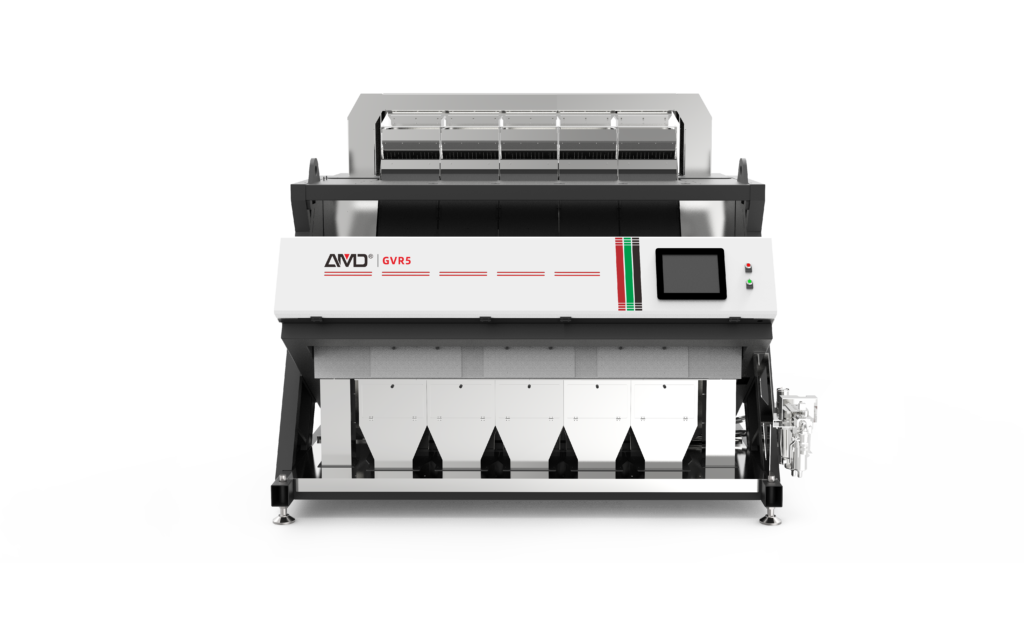
Color Sorting Machine Applications in Rice, Grain, and Food Processing
Agricultural and food processing industries have relied on optical sorting technology for many years because product appearance, consistency, and safety directly influence market value.
In grain processing, even a small percentage of defective materials can affect the final product quality. A Color Sorting Machine helps processors automatically identify and remove:
- Yellow, chalky, or discolored rice kernels
- Broken or damaged grains
- Insect-damaged products
- Mold-affected materials
- Foreign particles such as stones, glass, and plastics
Modern grain sorting equipment analyzes individual grains at high speed instead of relying on manual sampling. This allows processors to achieve more consistent quality while maintaining high production efficiency.
Beyond rice, optical sorting machines are widely used for:
- Wheat and barley
- Corn and maize
- Beans and pulses
- Seeds
- Coffee beans
- Nuts
- Dried fruits and vegetables
Different products require different sorting standards, so selecting equipment according to material characteristics is essential for achieving the best results.
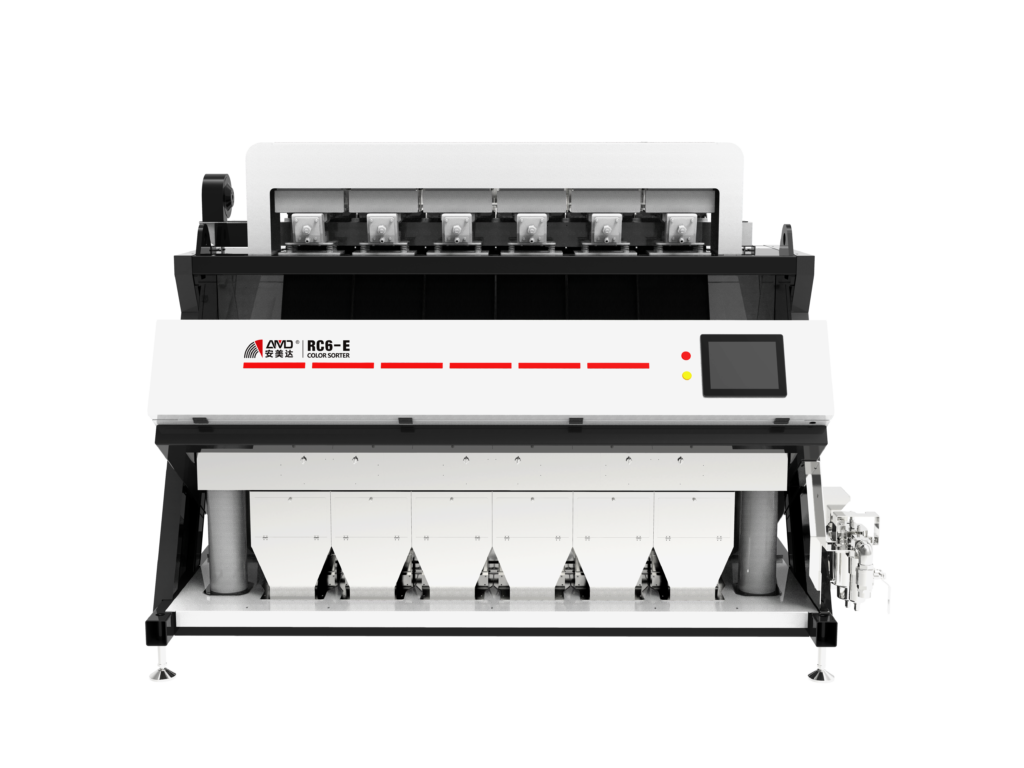
Other Applications of Optical Sorting Technology
Although plastic recycling and agricultural processing are the main application areas, optical sorting technology is also used in other industries.
Glass Recycling
Optical sorting systems can separate different colored glass materials and remove unwanted contaminants before recycling.
Industrial Material Processing
Manufacturers can use optical sorting technology to improve product consistency, inspect material appearance, and recover valuable materials from industrial waste streams.
The wide application range of optical sorting demonstrates why automated sorting equipment has become an important part of modern production systems.
How to Choose the Right Color Sorting Machine for Your Business
Selecting the right Color Sorting Machine requires more than comparing equipment prices or processing capacity. The best solution should match your material characteristics, production environment, quality requirements, and long-term business objectives.
1. Understand Your Material Characteristics and Sorting Goals
The first step is identifying what you need to sort and what quality improvements you want to achieve.
Important considerations include:
Material Type
Different materials require different sorting technologies.
For example:
- Plastic recycling may require color separation and polymer identification.
- Grain processing focuses on removing defective kernels and foreign materials.
- Food applications may require strict appearance control.
A machine designed for one application may not provide the best results for another.
Material Size and Shape
Material size and physical behavior influence machine selection.
Small free-flowing materials usually work well with chute-type systems, while larger, irregular, or fragile materials often require belt-type equipment for stable movement.
Sorting Objective
Before purchasing, companies should clearly define their sorting goals:
- Removing incorrect colors
- Improving material purity
- Separating mixed materials
- Detecting contamination
- Increasing recycled product value
A clear sorting objective helps determine the required sensor configuration and machine design.
2. Evaluate Sensor Technology and Sorting Accuracy
Sorting accuracy is one of the most important factors when purchasing an automated sorting system. However, actual performance depends on more than camera resolution. A reliable Color Sorting Machine requires the right combination of sensors, image processing software, feeding system, and rejection technology.
A high-performance sorting system should provide:
- Accurate material recognition
- Stable operation during continuous production
- Low false rejection rates
- Effective removal of unwanted materials
- High recovery rate of valuable products
Different sensor technologies provide different advantages depending on the application.
Visible Light Cameras
Visible cameras are suitable for applications where appearance differences are the main sorting factor.
They are commonly used for:
- Color separation of plastic flakes
- Rice and grain sorting
- Food appearance inspection
- Removing visible defects
These cameras detect differences in color, brightness, shape, and surface condition, making them an essential component of many optical sorting systems.
NIR and SWIR Sensor Technology
When materials have similar colors but different compositions, visible cameras alone may not provide enough information.
Near-infrared (NIR) and short-wave infrared (SWIR) technologies analyze how materials reflect infrared light, allowing the system to identify differences that cannot be seen by the human eye.
For example, in plastic recycling applications, infrared detection can help distinguish different polymers, improving separation efficiency and recycled material quality.
AI-Based Recognition Technology
Artificial intelligence has become an important part of modern sorting systems. AI algorithms can analyze complex patterns and learn from material samples, allowing machines to adapt to changing production conditions.
AI-based recognition helps improve:
- Detection of subtle defects
- Sorting consistency
- Parameter adjustment efficiency
- Processing performance with variable materials
For companies processing complex raw materials, AI capability can significantly improve long-term sorting stability.
3. Consider Processing Capacity and Production Requirements
The required processing capacity is another important factor when selecting a Color Sorting Machine.
Choosing equipment with insufficient capacity may create production bottlenecks, while selecting an oversized system may increase unnecessary investment and operating costs.
Before purchasing, businesses should evaluate the following factors:
Required Throughput
Determine how much material needs to be processed per hour or per day.
Different industries have different capacity requirements:
- Small processing facilities may need compact sorting systems.
- Large recycling plants may require high-capacity equipment for continuous operation.
- Industrial production lines may need machines that integrate with existing automated systems.
A suitable machine should match both current production needs and future growth plans.
Installation Space and Production Line Integration
A sorting machine is usually installed as part of a larger processing system. Therefore, companies should consider:
- Available factory space
- Material feeding arrangement
- Accept and reject material collection
- Connection with upstream and downstream equipment
A well-designed sorting solution should integrate smoothly into the existing production workflow without creating additional handling problems.
Future Expansion Capability
A sorting system is a long-term investment. Businesses should consider whether the equipment can support future changes, such as:
- Higher production volume
- New material types
- Additional sorting requirements
Selecting a flexible system can provide better long-term value as production requirements change.
4. Choose a Reliable Color Sorting Machine Supplier
A Color Sorting Machine is not only a piece of equipment but also a long-term production investment. Since modern sorting systems combine optical components, electronic controls, software algorithms, and pneumatic systems, supplier experience plays an important role in successful operation.
A professional supplier should provide support throughout the entire purchasing process.
Material Testing Before Purchase
Before investing in equipment, testing actual production samples is highly recommended.
Material testing helps confirm:
- Whether the machine can achieve the required sorting accuracy
- Which sensor technology is suitable
- What configuration best matches the application
- Expected product recovery performance
This is especially important for complex applications such as mixed plastic recycling, where material composition and contamination levels can vary significantly.
Installation and Operator Training
Proper installation and training help ensure stable machine performance.
A reliable supplier should provide guidance on:
- Equipment installation
- Machine operation
- Sorting parameter adjustment
- Daily inspection procedures
- Basic troubleshooting
Well-trained operators can adjust machine settings more effectively and maintain consistent sorting results.
Maintenance and Technical Support
Regular maintenance is necessary to keep sorting performance stable over time.
Common maintenance tasks include:
- Cleaning optical components
- Checking camera and sensor conditions
- Maintaining air pressure systems
- Updating sorting parameters
- Replacing wear parts when necessary
Choosing a supplier with strong technical support can reduce downtime and improve the long-term return on investment.
FAQs About Color Sorting Machines
What materials can a Color Sorting Machine sort?
A Color Sorting Machine can sort a wide range of materials, including plastic flakes, plastic pellets, rice, grains, seeds, food products, glass materials, and other industrial materials.
The actual sorting capability depends on the machine configuration, sensor technology, feeding structure, and material characteristics.
What is the difference between a color sorter and an optical sorter?
A color sorter mainly identifies visible differences such as color, brightness, shape, and surface appearance.
An optical sorter is a broader category that includes color sorting systems as well as advanced technologies such as visible cameras, NIR sensors, SWIR sensors, and multispectral imaging systems.
Modern color sorting machines are considered a type of optical sorting equipment because they rely on optical detection technologies to analyze and separate materials.
How accurate is a Color Sorting Machine?
The accuracy of a sorting system depends on several factors, including:
- Material type
- Feed quality
- Sensor configuration
- Machine settings
- Processing speed
Modern equipment using high-resolution imaging, AI recognition, and precision ejection systems can achieve excellent sorting performance when properly configured for specific applications.
Does a Color Sorting Machine require frequent maintenance?
Like other industrial equipment, a Color Sorting Machine requires regular maintenance to maintain stable performance.
Common maintenance procedures include:
- Cleaning camera lenses and optical surfaces
- Checking air systems
- Inspecting feeding components
- Updating sorting parameters
- Replacing worn ejector components
Proper maintenance helps extend equipment lifespan and ensures consistent sorting quality.
How do I choose the right Color Sorting Machine?
The best choice depends on:
- Material type
- Sorting objectives
- Required capacity
- Detection technology
- Supplier experience
Before purchasing, it is recommended to work with an experienced sorting equipment manufacturer that can test your materials and recommend a suitable configuration.
Improve Your Production Efficiency with the Right Color Sorting Solution
Investing in the right Color Sorting Machine can help businesses improve product quality, reduce manual inspection costs, increase processing efficiency, and create greater value from raw materials.
Whether your goal is improving recycled plastic purity, upgrading grain processing quality, or optimizing another industrial sorting process, choosing the correct optical sorting technology is essential for long-term success.
At PolySorter, we provide customized optical sorting solutions designed for different materials, production requirements, and quality standards. Our team can help evaluate your materials, conduct sorting tests, and recommend the most suitable solution for your application.
Contact PolySorter today to discuss your sorting requirements and find the right Color Sorting Machine for your production line.